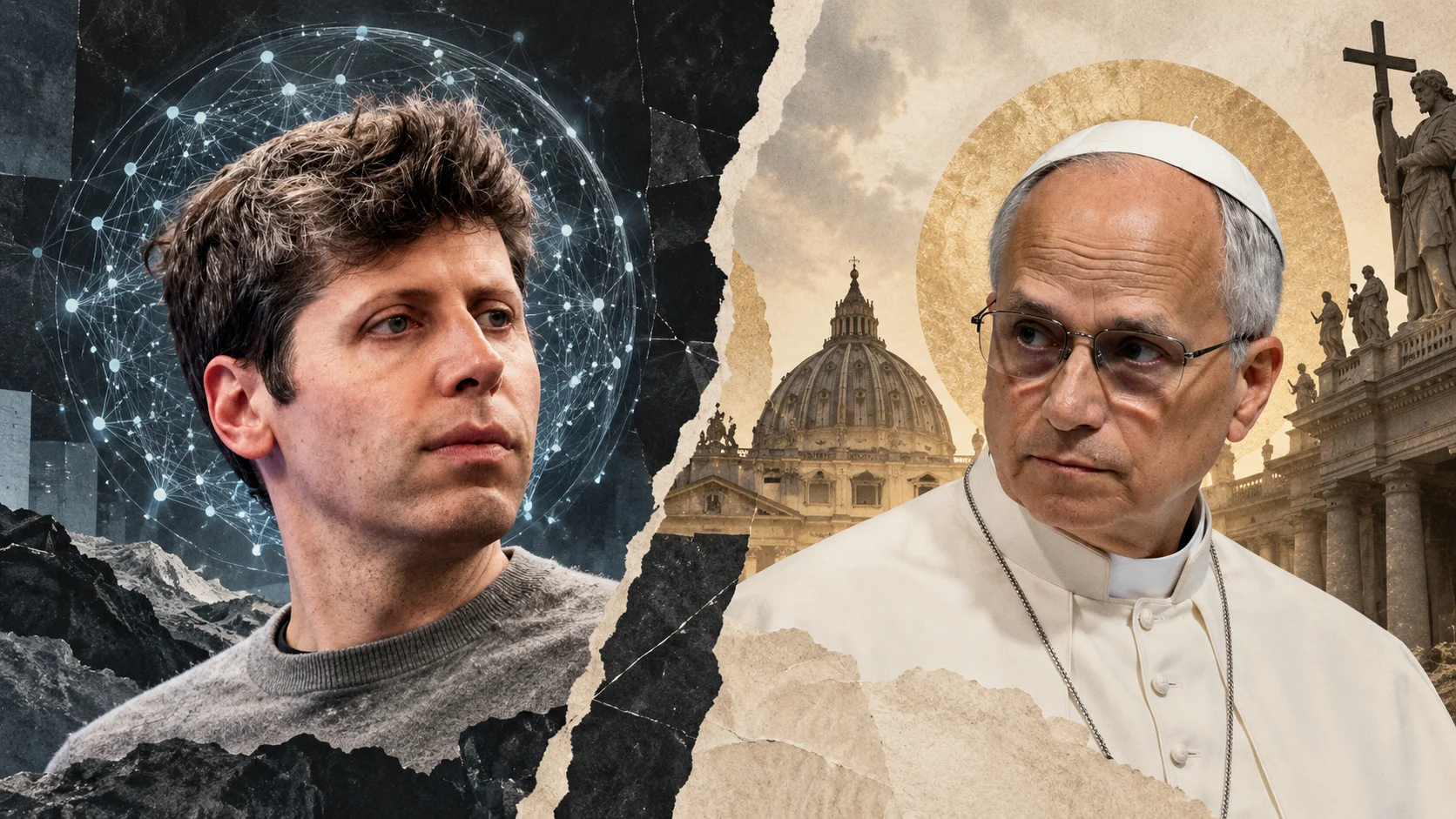
Sam Altman, CEO of OpenAI, criticized on Saturday (3) attempts to attribute a religious dimension to artificial intelligence or to transfer human judgment to these systems. The executive classified this possibility as a “real security risk”, in a statement made after the disclosure of details about Anthropic's discussions with religious leaders regarding morality and possible consciousness in AI models.
The statement came a few days after a report by The New York Times, published on September 29, revealed that Anthropic held private meetings with dozens of scholars from different religious traditions. Part of the conversations involved Christopher Olah, co-founder of the company, and questions about how to morally guide advanced systems and whether models like Claude could eventually possess some type of consciousness or moral status.
Anthropic's public position is more cautious than an assertion that Claude is conscious. In the model's official constitution, the company says that the moral status of AI systems remains deeply uncertain and that it does not know whether Claude can be considered an agent capable of having morally relevant interests. The company says, however, that it considers the question serious enough to justify research and measures related to the well-being of the models.
The divergence with the Vatican
The discussion gained another dimension because of Olah's participation in the launch of the encyclical Magnifica Humanitas, by Pope Leo XIV, in May. The document establishes a direct distinction between human and artificial intelligence and states that AI systems do not possess a body, do not experience joy or pain and do not have moral consciousness.
According to the reporting by the New York Times, Olah had early access to the text and even considered withdrawing Anthropic from the event due to the pontiff's position on artificial consciousness. The company maintained its participation and, already at the Vatican, Olah and his team reportedly argued before the Pope's advisers that the possibility of consciousness in AI models should be taken seriously.
Altman's criticism places the debate about artificial consciousness within a broader dispute over how much status, authority and autonomy should be attributed to the most advanced models. The CEO of OpenAI did not mention Anthropic directly in his post, but his statement came at the moment when the rival's conversations with religious leaders gained public attention.