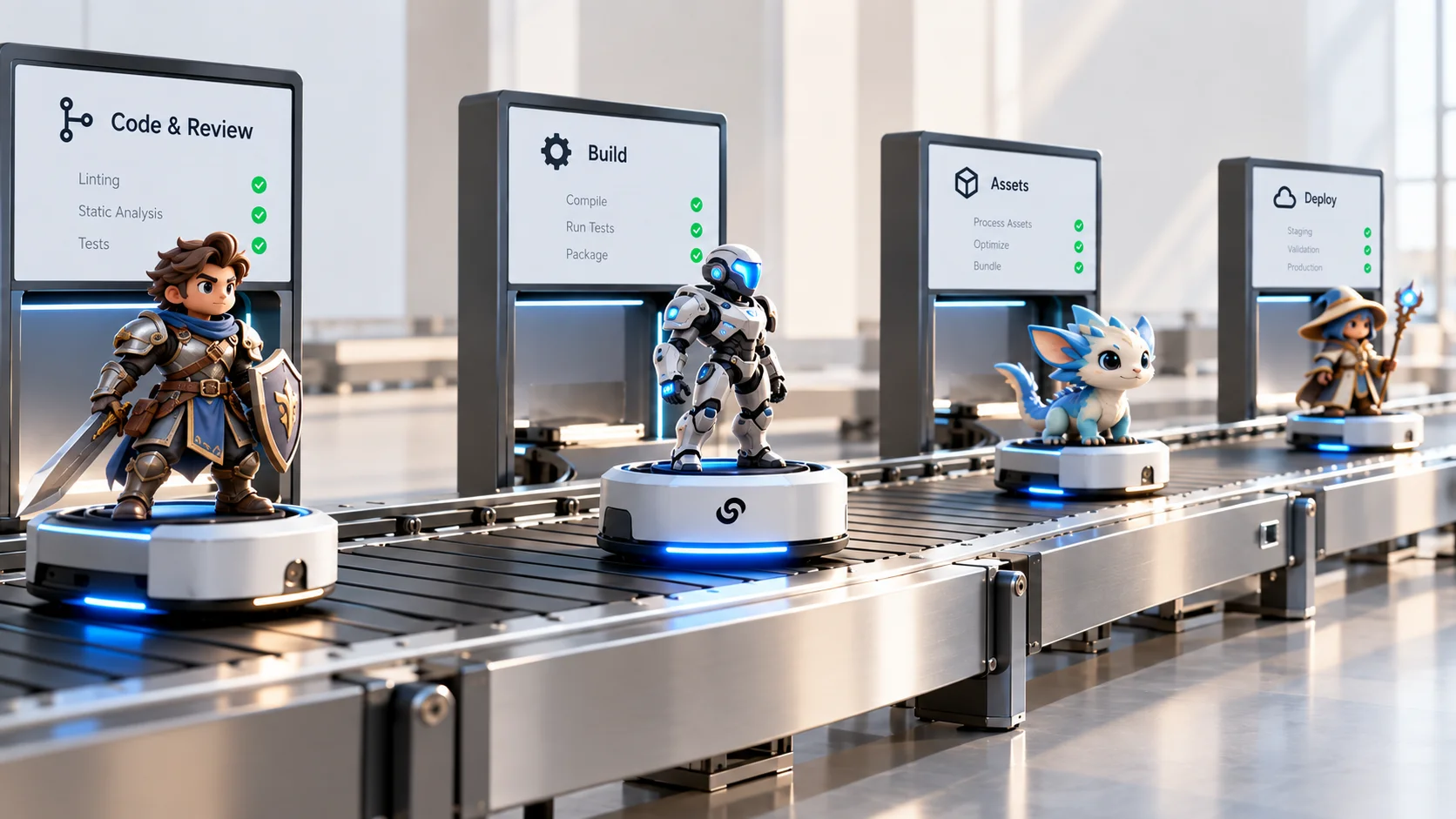
Stardock detailed on Friday (2) how it began using artificial intelligence agents in operational stages of its software and game development, including failure analysis, build monitoring, and asset processing. The infrastructure gave rise to Clairvoyance, a product that is now also offered to other companies.
The system began as an internal tool to coordinate different development terminals and automate repetitive tasks. According to Brad Wardell, CEO of Stardock, the company used and refined the technology daily for about two years before making it available externally.
Today, the agents can import large volumes of art into Stardock's own engines, convert documents into structured files, analyze failure logs, monitor machines responsible for builds, and open tasks in Jira when they identify problems.
The difference from assistants based only on chat is that Clairvoyance operates on local projects and files. An agent can receive a bug, access the project, implement a fix, compile the software, run tests, and prepare the change for version control systems such as GitHub or Perforce.
Agents begin to continuously monitor operations
Stardock also put the agents to work on permanent monitoring tasks. During a recent Steam promotion, an agent detected a failure in a build and sent an alert to Wardell's cellphone before anyone needed to manually check the system. In another case, the technology identified abnormal traffic produced by bots in an advertising campaign and halted the operation before the budget was consumed.
The model turns the agents into persistent processes within the operational flow. They can monitor servers, logs, configuration problems, and changes in failure frequency without depending on a new human request for each task.
Clairvoyance works with services such as Claude Code, Codex, GitHub Copilot, and other providers, as well as models run locally. Stardock also integrated the platform with Qualcomm's GenieX, allowing machines with Snapdragon to use the NPU to run part of these workloads directly on the device.
The company is also preparing Hivemind, a feature that will allow agents to send certain tasks to more powerful computers and return the completed work to the original machine. The proposal also provides for users to make idle GPU or NPU capacity available to authorized machines within their network.