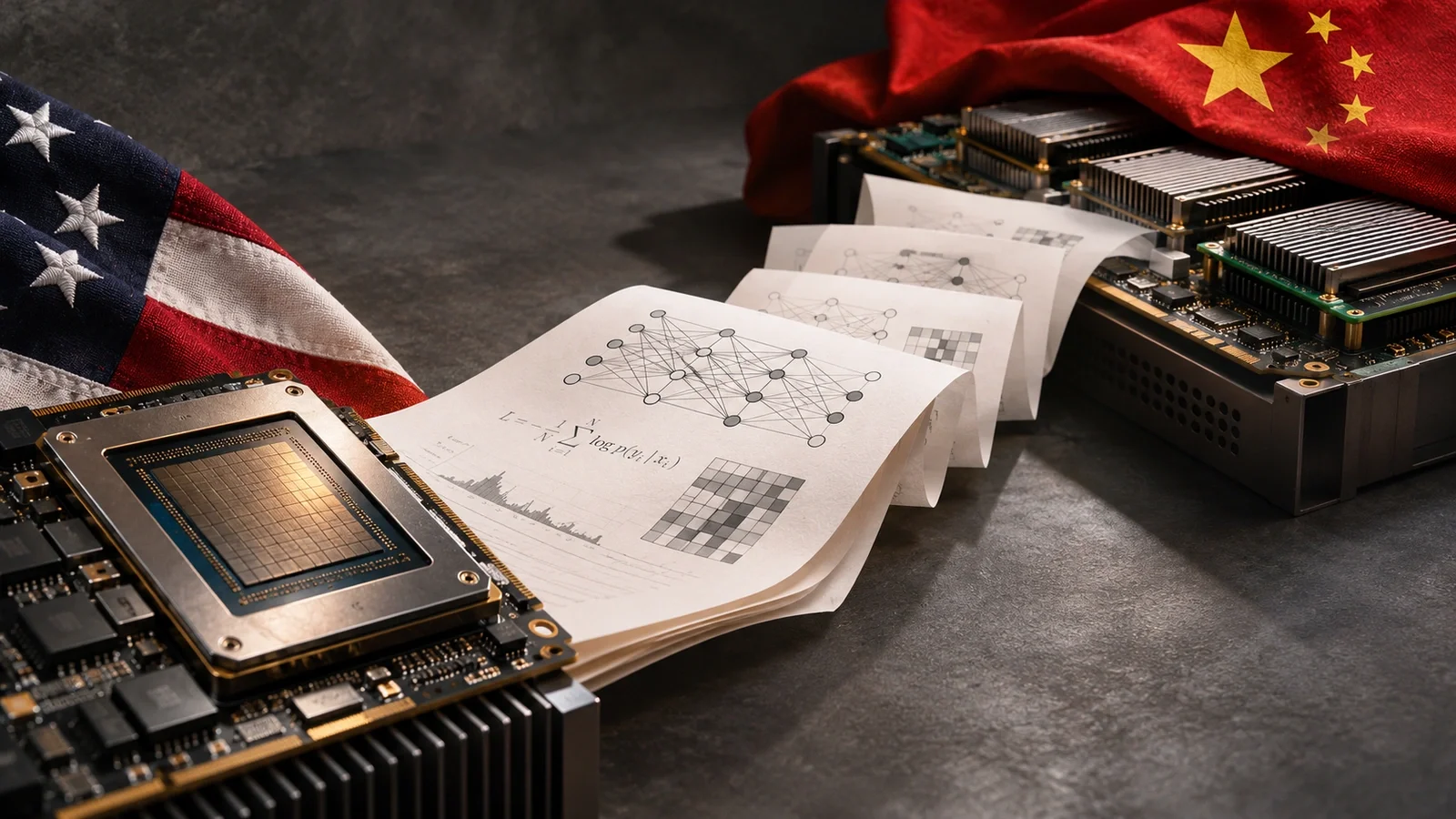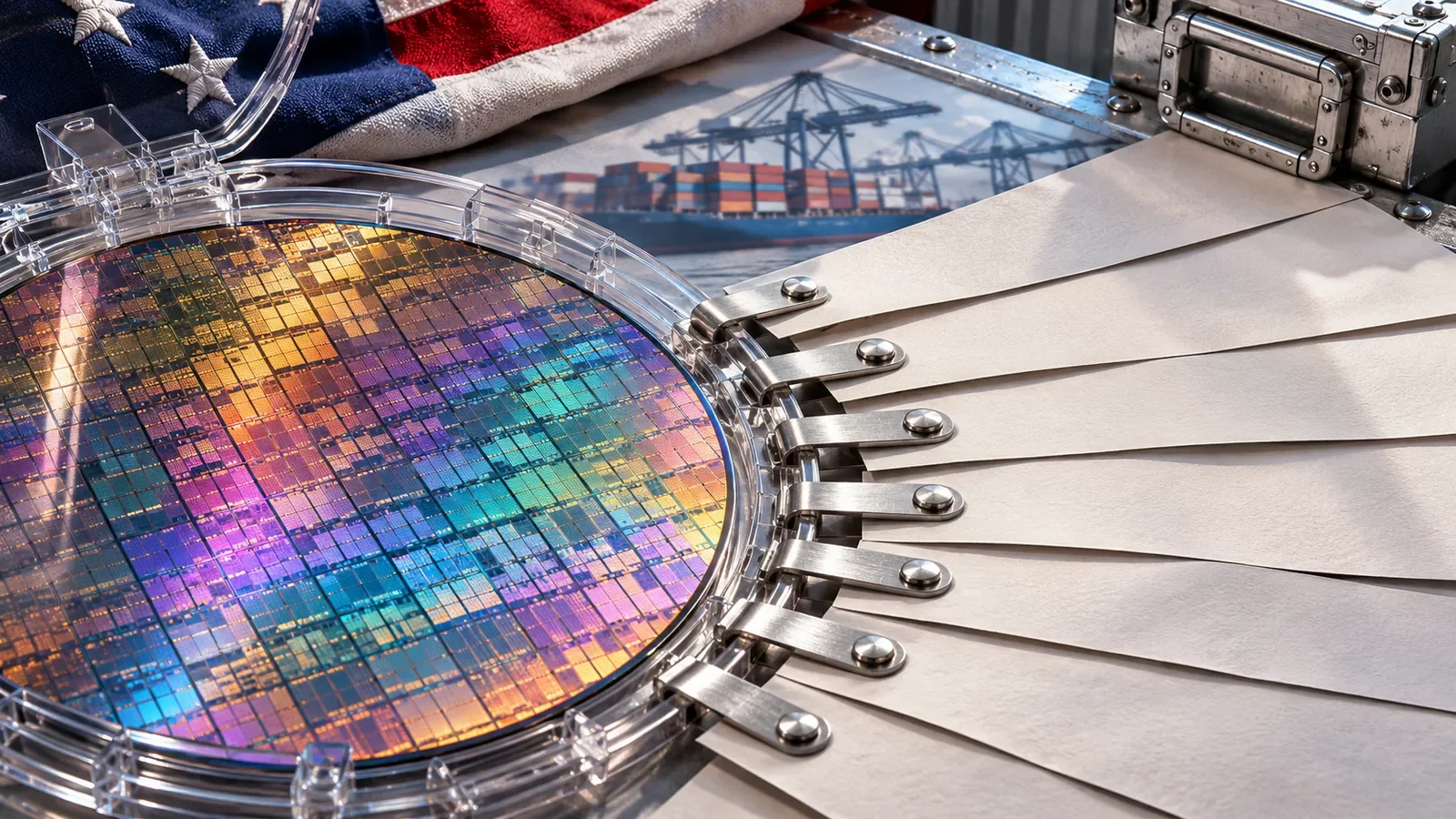
The United States and nine other countries signed on Sunday (15) a declaration to coordinate the protection of sensitive technologies and infrastructure essential to the development of artificial intelligence. The commitment is part of the international initiative Pax Silica and establishes common principles to strengthen the security of global technology supply chains.
In addition to the United States, Australia, India, Israel, Japan, South Korea, Qatar, Singapore, the United Arab Emirates, and the United Kingdom took part in the signing. The document, called San Francisco Declaration on the Secure Foundations of Enduring Prosperity, was signed during a meeting of the initiative in San Francisco.
Released by the U.S. State Department, the declaration states that economic security is fundamental to national security. The participants advocate diversification of suppliers, reducing excessive dependencies, and jointly protecting strategic technologies against illicit transfers and unauthorized access.
What the ten countries committed to coordinate
The document provides for the creation of five working groups focused on technological cooperation. The proposed areas cover policies to incentivize innovation, adoption of artificial intelligence in strategic sectors, security of production chains, development of secure investment and supply hubs, as well as the resilience of technological infrastructure.
The declaration also establishes shared definitions of what should receive protection. Among sensitive technologies are software, materials, components, knowledge, and production processes whose improper transfer could pose economic, military, or intelligence risks.
Meanwhile, critical infrastructure includes energy, transport, communications networks, logistics facilities, and digital platforms necessary for the operation of these chains.
The initiative brings together countries with significant participation in the production of semiconductors, the supply of strategic minerals, digital infrastructure, and the development of advanced AI systems.
Despite the announced commitments, the declaration has the character of political cooperation. The text does not automatically establish new tariffs, trade prohibitions, or legal obligations equivalent to those of a treaty. The implementation of specific measures will depend on later decisions by the participants.