Couple sells $3.6M a year in cupcakes — without spending almost anything on ads
 ▶ Watch on YouTube
Emily and Jeff lost everything and built Lancaster Cupcakes from their home kitchen. Today they make $3.6M/year with a 40% margin and marketing at just 1% of budget — the secret is the 50K email list.
Highlights
- The couple lost everything and only flour and sugar were left in the pantry — Lancaster Cupcakes was born from their home kitchen
- First day: 286 cupcakes sold in 1 hour. Today they produce 6,000 cupcakes a day
- Marketing is just 1% of the budget ($35K/year): the #1 sales channel is email, with a 50K-contact list
- 40% margin — vs. 1-3% for grocery stores and 3-7% for restaurants. Average ticket: $24
- The viral Minions video (6M views) didn't convert into sales — Instagram/TikTok are just brand awareness
Emily and Jeff lost everything — only flour and sugar were left in the pantry. It was from their home kitchen that Lancaster Cupcakes was born, now a $3.6M-a-year business. The UpFlip case shows how the couple scaled without spending almost anything on ads.
The journey: from empty pantry to store
The first day was a milestone: 286 cupcakes sold in one hour, completely sold out. The business started with the simplest customer base possible — family and friends — and grew through word of mouth for a good product. From there, the strategy was progressive: first a food truck, then their own operation, until reaching the physical store with industrial production.
The operation in numbers
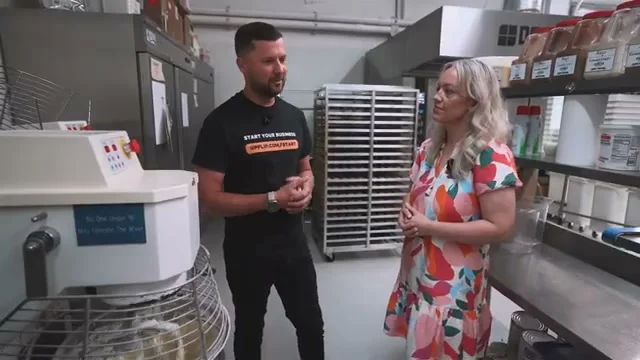
Daily production reaches 6,000 cupcakes, with ovens that hold 1,400 per batch. The batter-dosing machine cost $20K — "like a car," Jeff jokes — but brought consistency to the process. The average ticket is $24, and the profit margin impresses: 40%, vs. 1-3% for grocery stores and 3-7% for restaurants.
Marketing: the secret is not the viral
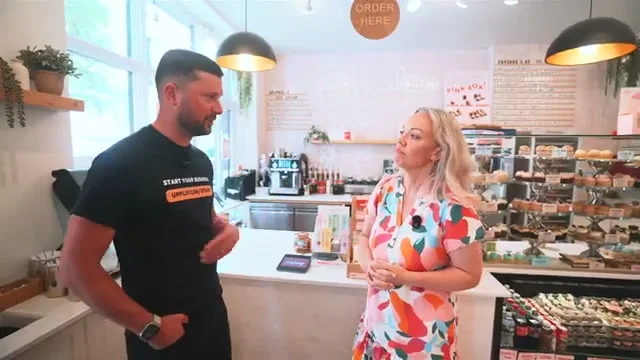
The most revealing part of the case is where the money is NOT. Marketing takes just 1% of the budget ($35K a year). The #1 sales channel is email marketing, with a 50K-contact list fed by a loyalty program that has existed for 12 years — customers collect stars and points to redeem for products. Instagram and TikTok are more for brand awareness: a video decorating Minions cupcakes passed 6 million views but didn't generate a proportional sales jump.
Why it matters
The case debunks two e-commerce myths: that everyone needs paid traffic to sell and that going viral is the path to growth. Emily and Jeff built $3.6M a year with an email list, an old loyalty program, and good product — a replicable recipe for any retail operation, especially in markets where marketplaces dominate and an owned customer base is often neglected.