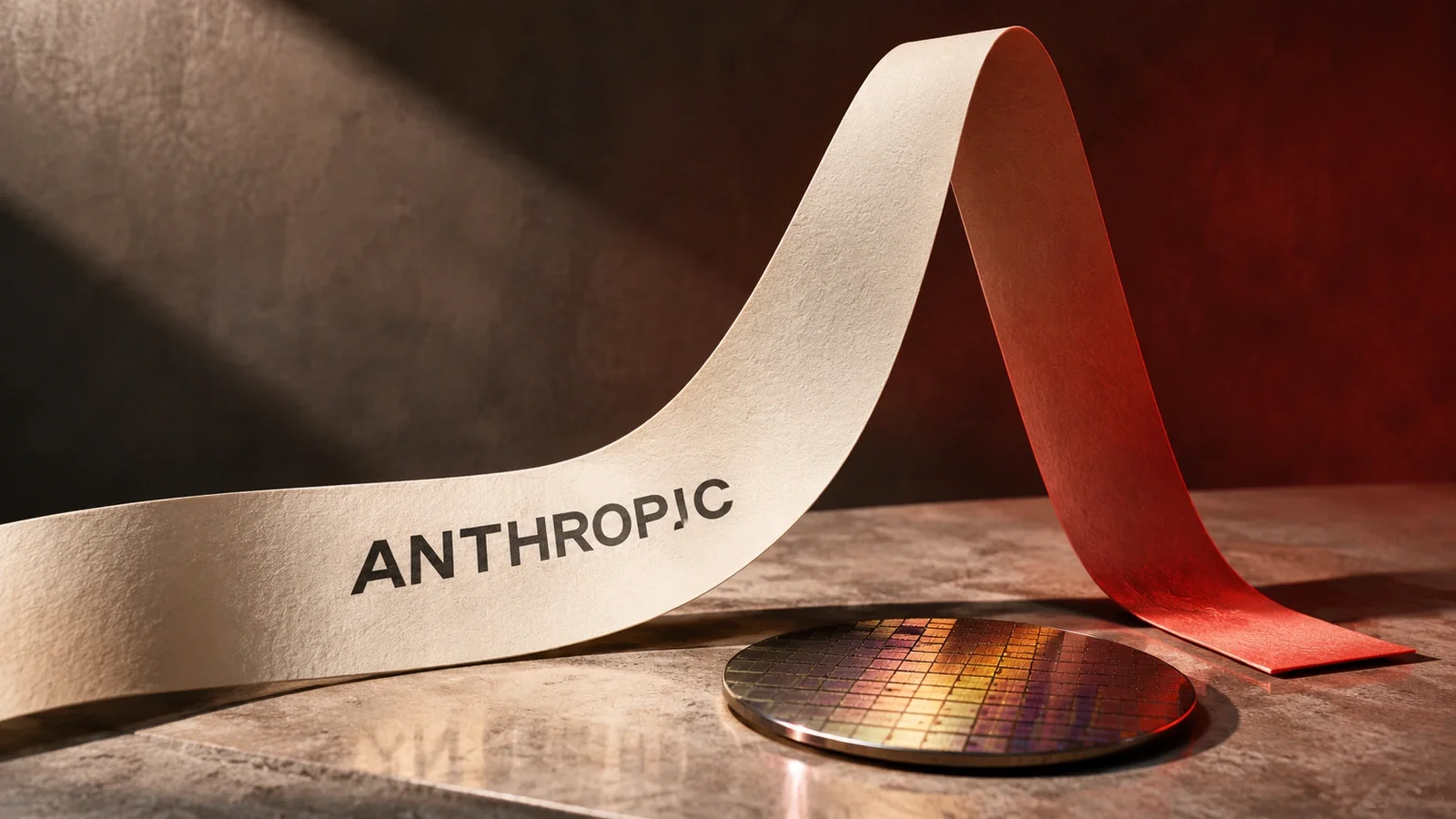
Anthropic completed on Friday (20) the largest initial public offering in history, with US$ 93.5 billion in gross proceeds. A simultaneous US$ 26 billion private placement raised the combined value of the deals to US$ 119.5 billion. Despite the record, shares of the Claude developer fell 8.5% on the second day of trading on the Nasdaq.
The stock, traded under the ticker ANT, ended the session at US$ 88.91, against US$ 97.17 at Thursday's (19) debut. The decline wiped out much of the initial gain: the shares had opened at US$ 111.50, about 34% above the US$ 83 offering price, taking the company's fully diluted valuation to nearly US$ 2 trillion.
The pullback came amid a broad selloff in technology stocks, on concerns about the costs of artificial intelligence infrastructure and the financial return on those investments. Harrison Rolfes, a senior analyst at PitchBook, told Reuters that Anthropic's valuation cannot be considered cheap and that much of the expected growth is already reflected in the price.
Three different figures in the largest offering in history
The closing announcement clarifies the difference between the figures disclosed during the debut and the amount actually traded.
The initial offering comprised 980 million Class A shares at US$ 83, equivalent to approximately US$ 81.3 billion. The coordinating banks fully exercised the option to buy another 147 million shares, a mechanism known as greenshoe, raising the public offering to 1.127 billion shares and US$ 93.5 billion.
That total, however, did not go entirely into the company's coffers. According to Anthropic, approximately US$ 91.6 billion corresponded to shares sold by the company itself, while US$ 1.96 billion went to shareholders who sold existing stakes. The figures are gross, before the discounts and expenses of the transaction.
In parallel, the company completed a private placement of 313.25 million Class N shares, also at US$ 83 each, totaling US$ 26 billion. The buyers were AMD, Broadcom, Google, Micron, Microsoft, Nvidia and TSMC Partners.
Unlike the shares offered to the public, these securities were sold directly to the seven investors, without registration of the private placement under U.S. securities law.
Thus, the US$ 119.5 billion represent the combined gross value of the two transactions, and not exclusively the IPO or the money received by the company. Excluding the selling shareholders' portion, approximately US$ 117.6 billion corresponds to share sales carried out by Anthropic, still before expenses.
The transaction also expands the equity stakes of suppliers and strategic infrastructure partners, who now hold direct investments in the company's capital.
US$ 104 billion loss was mostly accounting-related
The documents filed with the U.S. Securities and Exchange Commission (SEC) reveal another important contrast. In the nine months ended in September 2026, Anthropic recorded US$ 33.2 billion in revenue and a net loss of US$ 104 billion.
Most of the negative result, however, does not correspond to money spent on operations. Approximately US$ 94.3 billion came from fair value adjustments on convertible financial instruments and other liabilities, mainly associated with the company's own appreciation.
These accounting adjustments increased the reported loss without representing an equivalent cash outflow. In the same period, Anthropic recorded an operating loss of US$ 1.26 billion, but generated US$ 6.6 billion in positive operating cash flow, according to the prospectus.
This does not eliminate the need for investment in computing capacity and data centers, which continue to require substantial resources.
The stock's trajectory remains under scrutiny. Although it ended the second session above the US$ 83 paid by IPO investors, the shares were already down more than 20% from the opening price on the debut, highlighting the gap between demand for the offering and the price the market has come to assign to the company.