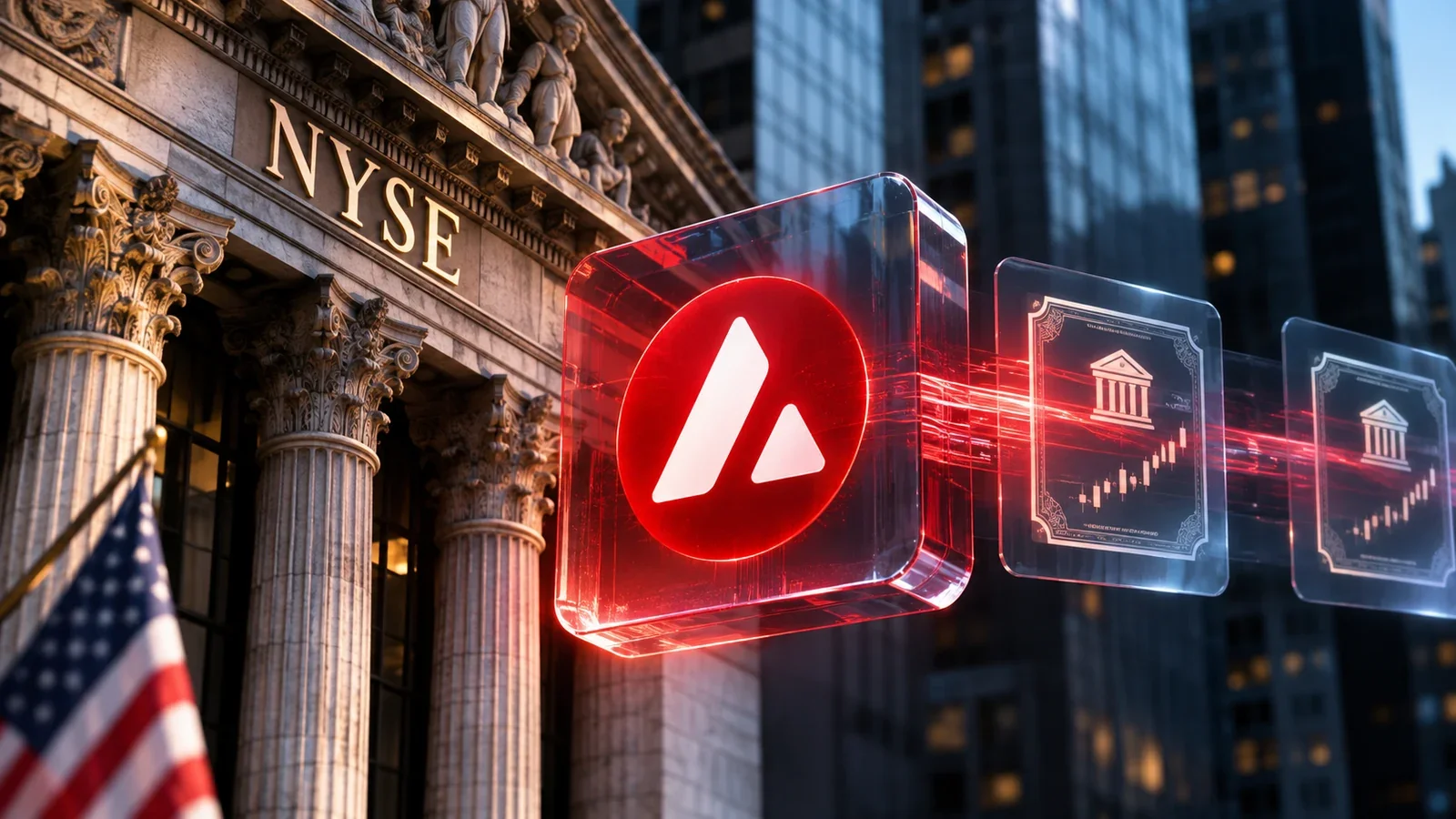
Ava Labs announced this Monday (9) that the Avalanche blockchain will provide the core recordkeeping technology for the clearing company of a future tokenized asset trading platform affiliated with the New York Stock Exchange (NYSE). The infrastructure will be responsible for recording and settling transactions carried out in the new environment, which still depends on regulatory approvals.
The project consists of an alternative trading system (ATS) developed by an NYSE affiliate. The platform was designed to accept tokenized stocks issued on different blockchains, while Avalanche will provide the central registry used in the clearing and settlement processes.
This distinction is important: the chosen technology will operate in the infrastructure that processes transactions after trading, and not as a replacement for the exchange's traditional trading systems.
Dennis Lee, head of NYSE's digital issuance area, explained that the registry system needs to offer speed, reliability, control over participants and predictable costs, in addition to having a broad developer community.
“Avalanche meets all these needs”, Lee said in the statement released by Ava Labs.
The decision expands the planned use of blockchain technology in the project beyond the issuance of digital assets, incorporating it into the infrastructure responsible for processing transactions.
Platform still depends on regulatory approvals
The future platform was designed to allow trading, clearing and settlement 24 hours a day, seven days a week. The proposal includes transactions involving tokenized securities, whose ownership records are represented digitally on blockchain.
However, the system is not yet operational. Its implementation remains subject to applicable regulatory authorizations, and the choice of Avalanche does not represent a migration of the shares currently traded on the NYSE to this blockchain.
The NYSE had already announced the development of the digital platform through an affiliate. The confirmation released on November 9 establishes which technology will be used as the recordkeeping basis for its future clearing and settlement infrastructure.