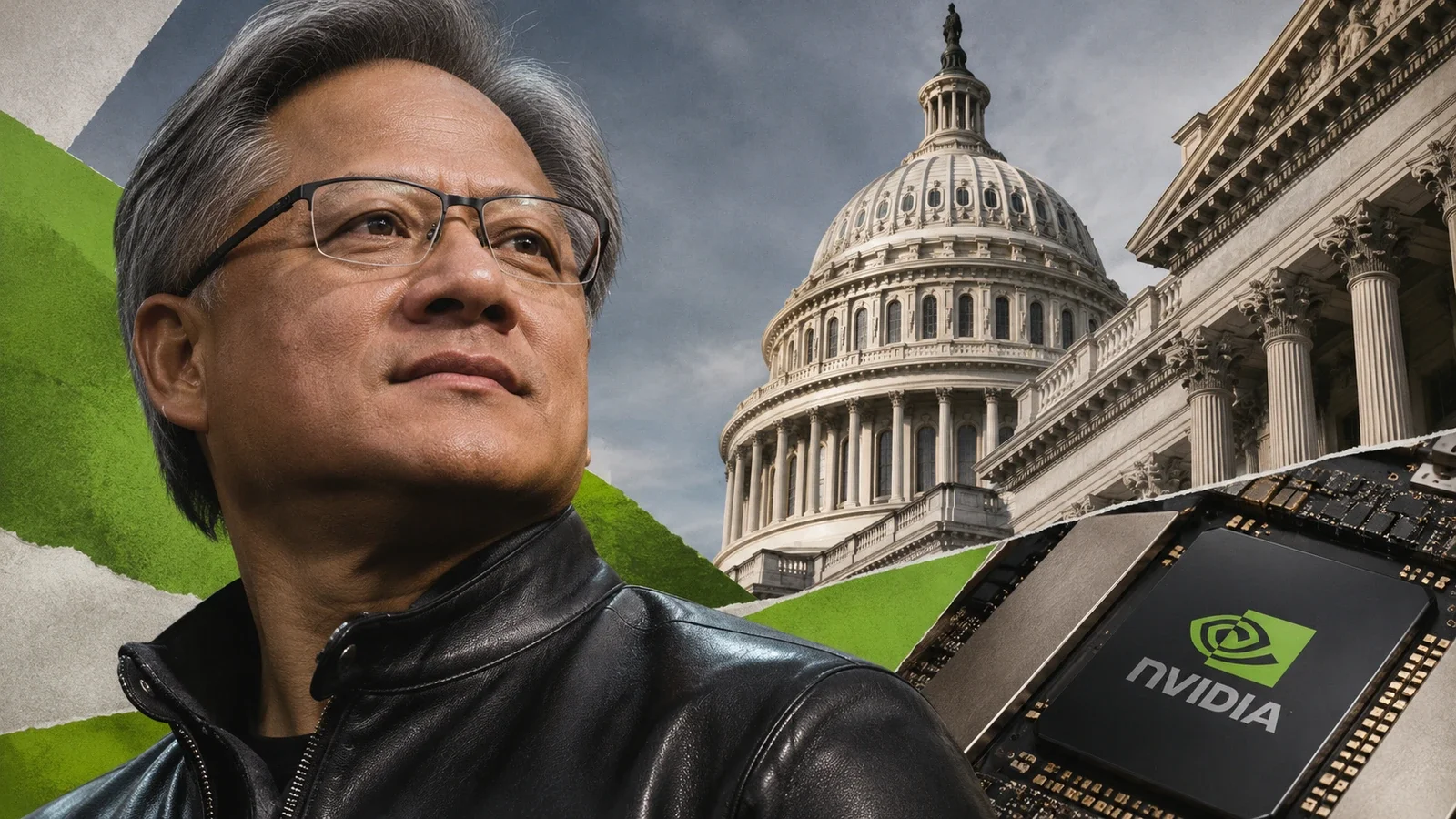
Nvidia's board of directors announced on Monday (23) the reinstatement of Jensen Huang to the positions of chairman, CEO and board member. The decision, approved unanimously, came after consultations with high-ranking officials in the United States government and intensified pressure in Congress to tighten export controls on artificial intelligence chips.
In an official statement, the board said it had received information from members of the American government and, based on it, declared itself convinced that the executive's return does not represent a risk to national security.
Nvidia shares closed Monday's session up 31.5%, recovering almost US$ 1 trillion in market value, although the gains did not fully offset the losses recorded since the announcement of the resignation.
Huang had acknowledged, on November 8, having had an extramarital relationship. Reports from The New York Times and The Wall Street Journal revealed suspicions by American authorities that a businesswoman with whom the executive was involved had ties to Chinese intelligence. Beijing denied the espionage allegations.
Documents sent to the Securities and Exchange Commission (SEC) show that the board accepted Huang's resignation on November 11 and approved his reinstatement on the 22nd. Both decisions were announced publicly the following day.
A governance decision treated as national security
President Donald Trump acknowledged having intervened personally to make Huang's return viable. However, according to a report published by Reuters on Wednesday (25), the United States Department of Justice did not conduct a formal investigation into the executive before the presidential intervention.
The independent investigation conducted by Nvidia's board, with the assistance of the law firm Wachtell, Lipton, Rosen & Katz, remains ongoing.
The company also created a national security and export controls committee, composed exclusively of independent directors, and began the search for a compliance director. Colette Kress, who took over the leadership of the company on an interim basis, remains as chief financial officer.
Congress coordinates three measures to restrict chip exports
The reinstatement strengthened a bipartisan effort to include new technology restrictions in the final version of the National Defense Authorization Act (NDAA) for fiscal year 2027.
According to the Atlantic Council, three proposals already included in the Senate version are at the center of the negotiations:
- AI Overwatch Act: it would give Congress a 30-day period to review and potentially block export licenses for advanced chips to countries such as China.
- Chip Security Act: it would require mechanisms to verify the location of advanced chips subject to export controls, making it harder to divert them to unauthorized destinations.
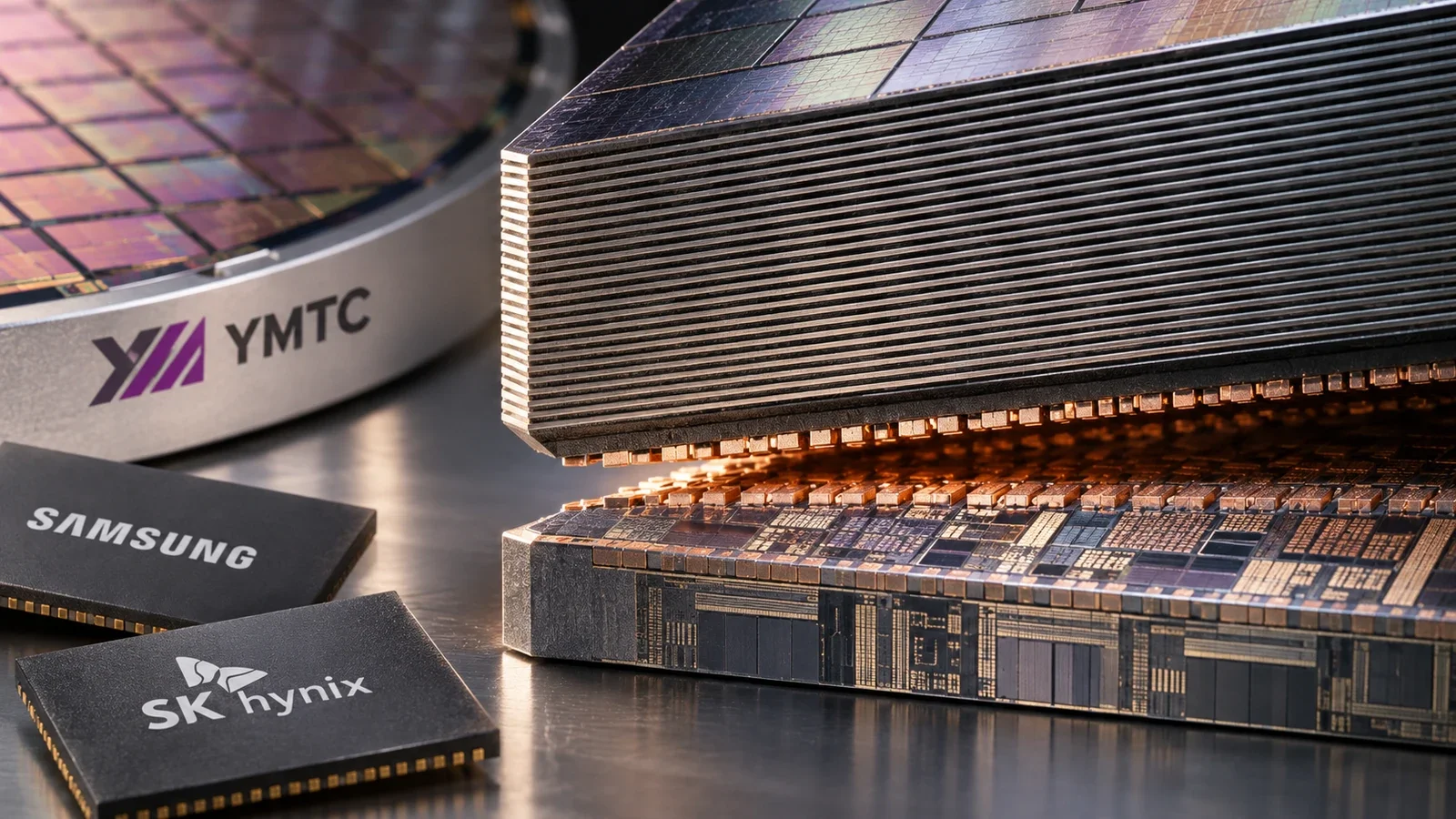
- MATCH Act: it would seek to align American restrictions with those adopted by allied countries on equipment used in semiconductor manufacturing.
The measures still depend on the reconciliation of the versions approved by the House and the Senate.
In a joint statement released on November 24, five Democratic senators demanded explanations from the Trump administration about the intelligence assessments that underpinned the reinstatement and about Nvidia's compliance with export rules. Republican lawmakers also maintained their requests for clarification.
Huang will take part in a closed-door session with three House committees on December 1. The following day, Tim Teter, Nvidia's legal director, will be heard. The CEO will also testify publicly before the Senate Banking Committee on December 3.
The testimony schedule coincides with the NDAA negotiations, whose final text will determine whether the new restrictions are incorporated into American legislation.