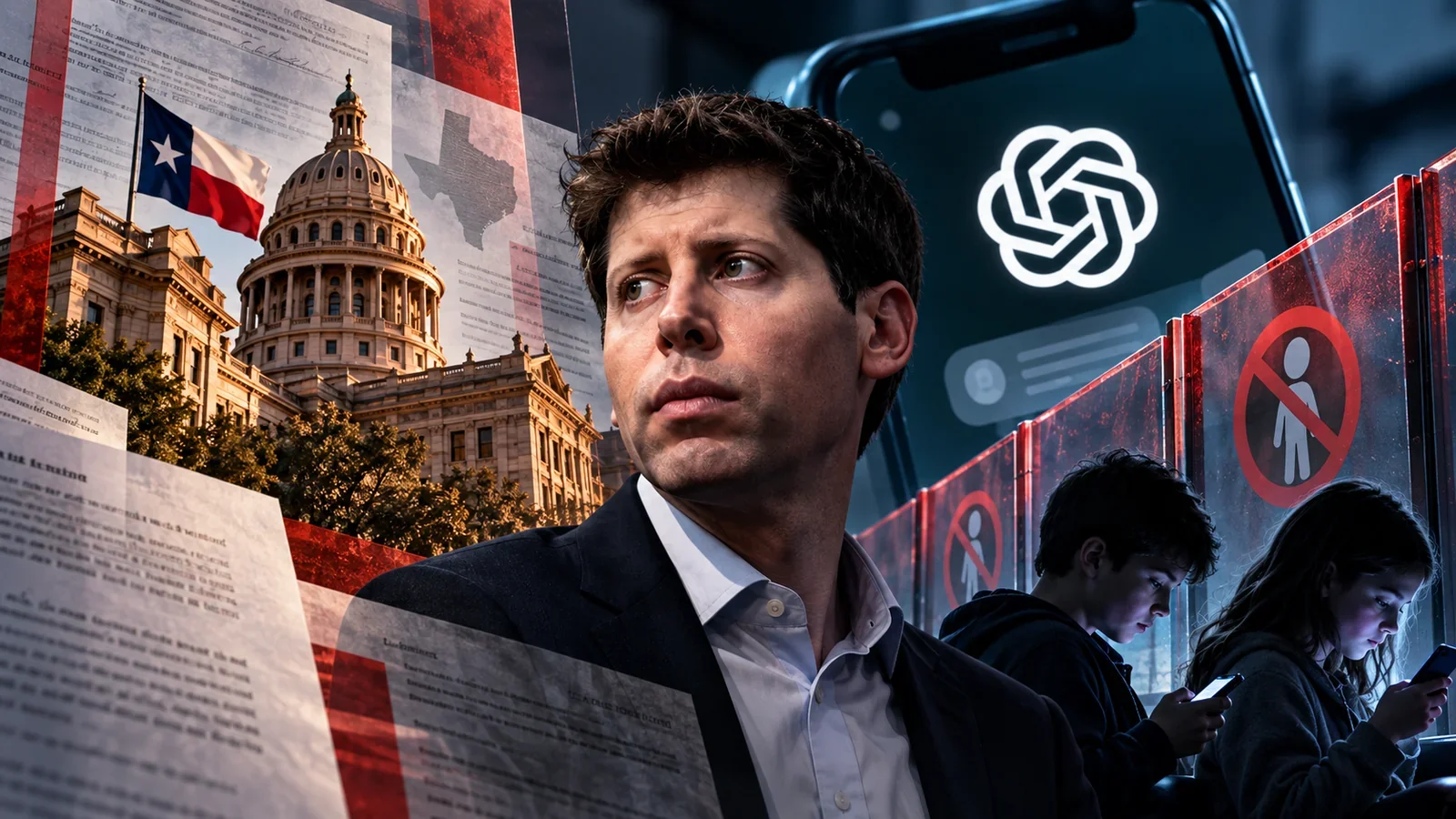
Texas Attorney General Ken Paxton announced on Friday (23) a lawsuit against OpenAI and its CEO, Sam Altman, accusing the company of misleading consumers about the safety of ChatGPT and exposing children and teenagers to risks. The state asks the court to prevent the chatbot from being offered to minors in Texas and to impose restrictions on the release of new artificial intelligence models.
The lawsuit was filed in Collin County, Texas, and includes six entities linked to OpenAI, in addition to Altman. The Attorney General's Office argues that the company promoted its products as safe and reliable while failing to adequately inform users about risks associated with use of the technology.
Among the harms cited are responses that allegedly encouraged self-destructive behavior, provided information related to violence and contributed to emotionally dependent relationships. The petition also accuses the company of encouraging prolonged use of ChatGPT and collecting personal information from minors without adequate parental supervision. The allegations still require judicial review.
Paxton said that, given the rapid advance of AI, OpenAI has a responsibility to protect its users and warn them about the platform's risks. The attorney general stated that he intends to hold technology companies that fail to comply with state law accountable.
Texas seeks independent review before release of new models
The 67-page petition presents requests that go beyond financial liability. Texas requests that new AI models not be made available to users in the state without a prior safety evaluation conducted by an independent entity approved by the court.
The government also seeks court measures to prevent ChatGPT from being offered to minors, require adequate age-verification mechanisms and restrict features deemed capable of encouraging compulsive use of the platform.
The lawsuit is based on two state laws: the Texas Deceptive Trade Practices Act (DTPA), aimed at protecting consumers against deceptive practices, and the SCOPE Act, which establishes safety, privacy and parental supervision obligations in digital services accessible to minors.
According to the Attorney General's Office, the existing parental controls in ChatGPT would not meet legal requirements, especially regarding verification of guardians and the ability to supervise teenagers' use and privacy settings.
The state requests civil fines of US$ 10,000 per violation, in addition to restitution of gains obtained through practices deemed illegal and reimbursement of legal expenses. The petition classifies the request for monetary relief at an amount exceeding US$ 1 million, without setting a definitive damages amount. Paxton also seeks to hold Altman personally accountable for the decisions and statements that allegedly contributed to the alleged violations.
The move comes nine days after eight other U.S. states filed lawsuits against OpenAI over similar allegations, involving child safety and potentially misleading information about ChatGPT.
In response to those lawsuits, OpenAI said it has specific protections for different age groups, including parental controls and mechanisms designed to reduce teenagers' exposure to harmful content. The company also acknowledged that no safety system is perfect and stated that it continues to improve these tools. That statement does not constitute a specific response to the lawsuit filed by Texas.