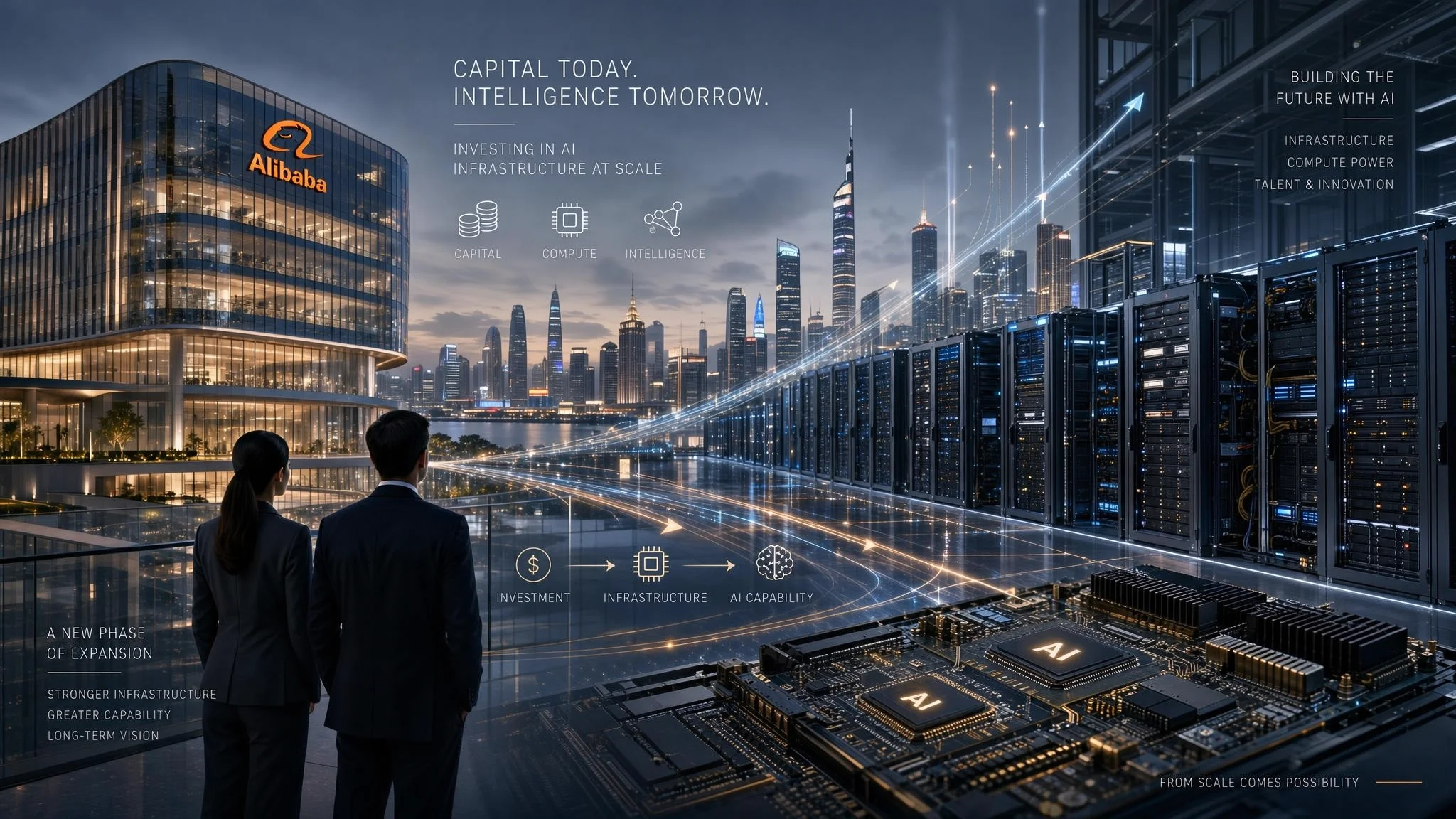
The Alibaba Group plans to raise HK$ 80 billion (US$ 10.2 billion) with the placement of new shares in Hong Kong and direct 100% of the net proceeds to artificial intelligence, in one of the company's largest financial bets in the global race for technology.
The operation was announced this Sunday (23) in a statement to the Hong Kong Stock Exchange. According to Alibaba, the goal is to expand its global leadership in AI and strengthen capabilities across the entire technology chain, including the expansion and enhancement of computing infrastructure.
The fundraising comes at a time of strong acceleration in the group's investments. Alibaba has been expanding its operations beyond e-commerce, with funds allocated to chips, data centers, cloud services, Qwen family language models, and artificial intelligence applications.
According to Reuters, the operation represents the largest follow-on share offering ever conducted by a company listed in Hong Kong.
Investors increase demand for the offering
Demand for the offering initially exceeded the volume made available, according to a person familiar with the process who spoke to Reuters. Sovereign wealth funds and global long-term institutional investors were among those interested.
With high demand, Alibaba expanded the size of the offering to HK$ 80 billion.
The official statement says that the new shares will be offered to non-American investors in transactions carried out outside the United States.
AI spending already reaches US$ 10 billion per quarter
The new fundraising comes a few days after Alibaba revealed the impact of its AI strategy on financial results.
Between April and June, revenue from cloud and artificial intelligence businesses advanced 45% year-over-year, while capital expenditures grew 75%, reaching 67.7 billion yuan, approximately US$ 10 billion in just three months.
The increase in investments in chips and computing capacity also weighed on results: quarterly net profit fell about 75% compared with the same period a year earlier.
The company, however, considers the expansion of infrastructure essential to sustain the future growth of its AI services.
During the results presentation last week, the CEO Eddie Wu Yongming said that Alibaba expects to reach a balance on its investments in computing capacity for AI in up to three years.
According to the executive, this period could fall to approximately two years as infrastructure utilization increases and business margins improve.
The strategy makes clear the size of the bet: after accelerating internal spending on computing, Alibaba now turns to the capital markets to finance a new phase of its expansion in artificial intelligence.