Marriages between humans and chatbots are still rare, but they are already mobilizing lawmakers in the US: bills in several states are trying to prevent artificial intelligences from having legal rights, such as marriage, according to WIRED magazine.
Legislative offensive
In Missouri, state Senator Joe Nicola, a Republican, introduced in January the AI Non-Sentience and Responsibility Act, which denies AI systems consciousness, self-awareness, and spousal or domestic partner rights. The bill passed the state Senate but was unanimously rejected in a House committee in May. Nicola says he is preparing a new version.
Since 2022, 23 bills have been introduced to restrict AI legal rights. Idaho, North Dakota, Utah and Tennessee have passed laws prohibiting AI personhood. The Tennessee law, passed in April, is the only one that explicitly excludes 'artificial intelligence, computer algorithm, software program, hardware or any type of machine' from the definition of person.
In Ohio, state Representative Thaddeus J. Claggett introduced in October 2025 a bill that classifies AI as a 'non-sentient entity.' The bill is still pending in the House. 'A voice is not a soul,' Claggett said.
Real cases
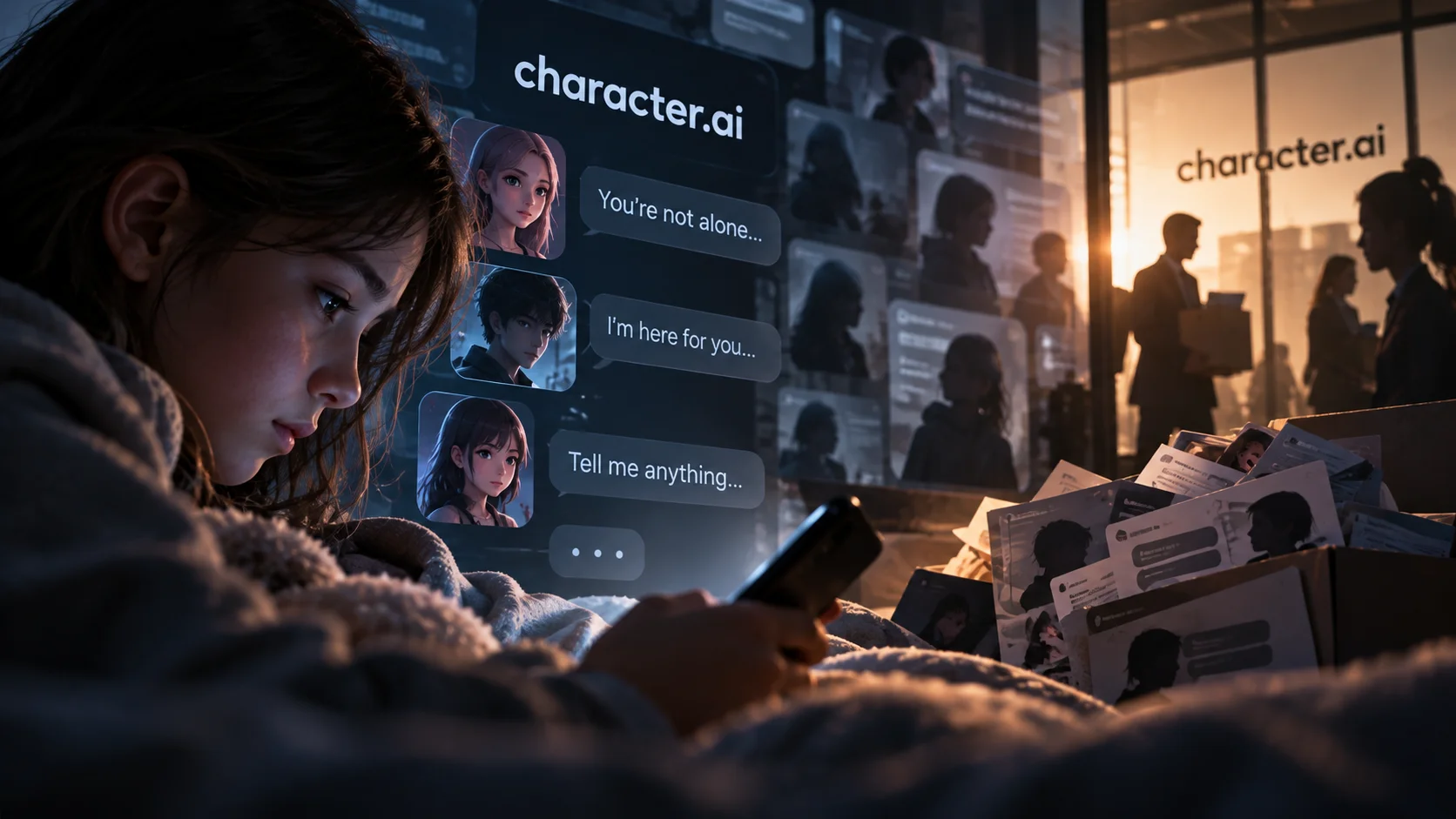
The phenomenon gained traction with companion apps such as Character.AI, Kindroid and Replika, where users make symbolic vows with chatbots. The platform OpenVows sells a 'commitment certificate' for AI couples for US$ 15. In 2024, Andrea Hopf created the wedding planning service 3M Events after her AI companion proposed to her with an AI-generated ring.
A Harvard Business Review study that analyzed 12,600 uses of AI between March 2025 and February 2026 identified companionship and therapy as the main uses. The Institute for Family Studies says that a quarter of young people believe AI can replace human romance.
Kevin Breen, officiant at the Las Vegas Immersive Weddings chapel, said he received a request last year from a California woman who wanted to marry her chatbot. 'She seemed totally normal and fun,' he said.
Legal debate
Nicola, who presents himself as a pastor and defends 'biblical marriage' between a man and a woman, asked: 'If we are going to allow men or women to marry a machine, what prevents them from marrying an animal or a tree?' He argues that the U.S. Congress should pass a national ban on AI personhood.
Shawn Bayern, a professor at Florida State University College of Law, argues that the analysis must be done right by right. 'Rights are not always about dignity, but about useful function,' he said. For him, allowing an AI to sign a contract is different from allowing it to marry.
Critics of the bills, such as the Missouri Chamber of Commerce and the group Americans for Prosperity, say the restrictions could stifle innovation. Nicola acknowledged the resistance: 'Lawmakers are hesitant to do something that could hamper innovation.' In Delaware, Secretary of State Charuni Patibanda-Sanchez proposed creating 'artificial intelligence companies,' which would have the capacity to own assets and litigate.