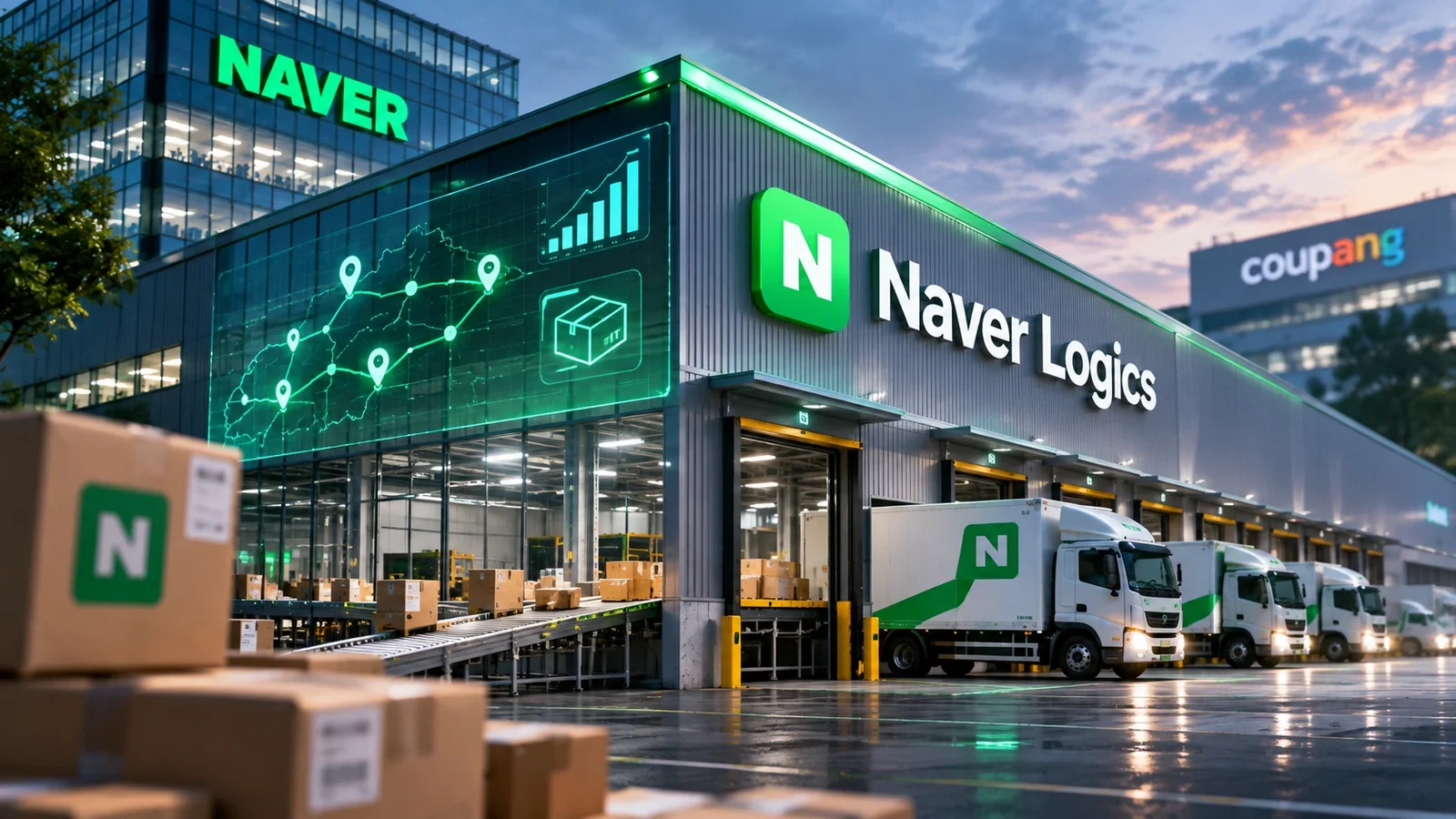
South Korean Naver has named its new logistics subsidiary, Naver Logics, and chose Kim Beom-jun, the current chief operating officer (COO), to take charge of the company. The structure is expected to begin operations during 2026, with an investment plan of approximately 1 trillion won by 2030 aimed at expanding delivery infrastructure.
The initiative expands Naver's presence in e-commerce. Instead of merely connecting sellers to carriers, the company intends to take over planning for the logistics network, using leased distribution centers and keeping partner operators responsible for physical activities.
Kim Beom-jun served as chief technology officer (CTO) and CEO of Woowa Brothers, which runs the Baemin delivery app. He joined Naver in 2024 and began overseeing operations and technology strategy. His experience combines two core competencies for the new subsidiary: digital platform development and delivery service management.
The strategy had been presented on November 12, during the third-quarter earnings call. At the time, CEO Choi Soo-yeon announced that the company would gradually strengthen its distribution infrastructure, focusing on leased logistics centers, to expand its competitiveness in deliveries.
Leased warehouses, proprietary systems, and outsourced operations
The Naver Logics model establishes a division between technological control and physical execution. The subsidiary intends to invest in automation systems and equipment, but not to build its own network of warehouses and carriers.
The operation of the centers and deliveries will remain the responsibility of members of the Naver Fulfillment Alliance (NFA), the company's logistics partner network.
Naver, in turn, will develop warehouse management systems (WMS) and order management systems (OMS), and will also use search and purchase data to anticipate product demand. The goal is to position inventory in centers near consumers before orders are placed, reducing trips and improving delivery coordination.
This structure contrasts with the one adopted by Coupang, which operates its own network of distribution centers and delivery services in South Korea. While the competitor invests directly in physical infrastructure, Naver seeks to coordinate different operators through technology and commercial information.
Leasing facilities reduces the need to acquire real estate or build new centers, although leasing, automation, and systems costs remain. For logistics partners, the design preserves the execution of operations while concentrating decisions about demand forecasting, inventory distribution, and service integration at Naver.
The company is already showing growth in its current operations. In the third quarter of 2026, the value transacted through N Delivery increased 38% compared with the same period of the previous year. Approximately 75% of orders arrived by the next day, and the rate of compliance with guaranteed delivery dates was close to 98%.
The early-morning delivery infrastructure also went from three centers in the first half of the year to nine, while the value transacted in this modality more than quadrupled compared with the previous quarter.
Naver has not yet publicly detailed the subsidiary's initial capital or set hiring targets. The operational launch is expected to take place by the end of 2026.