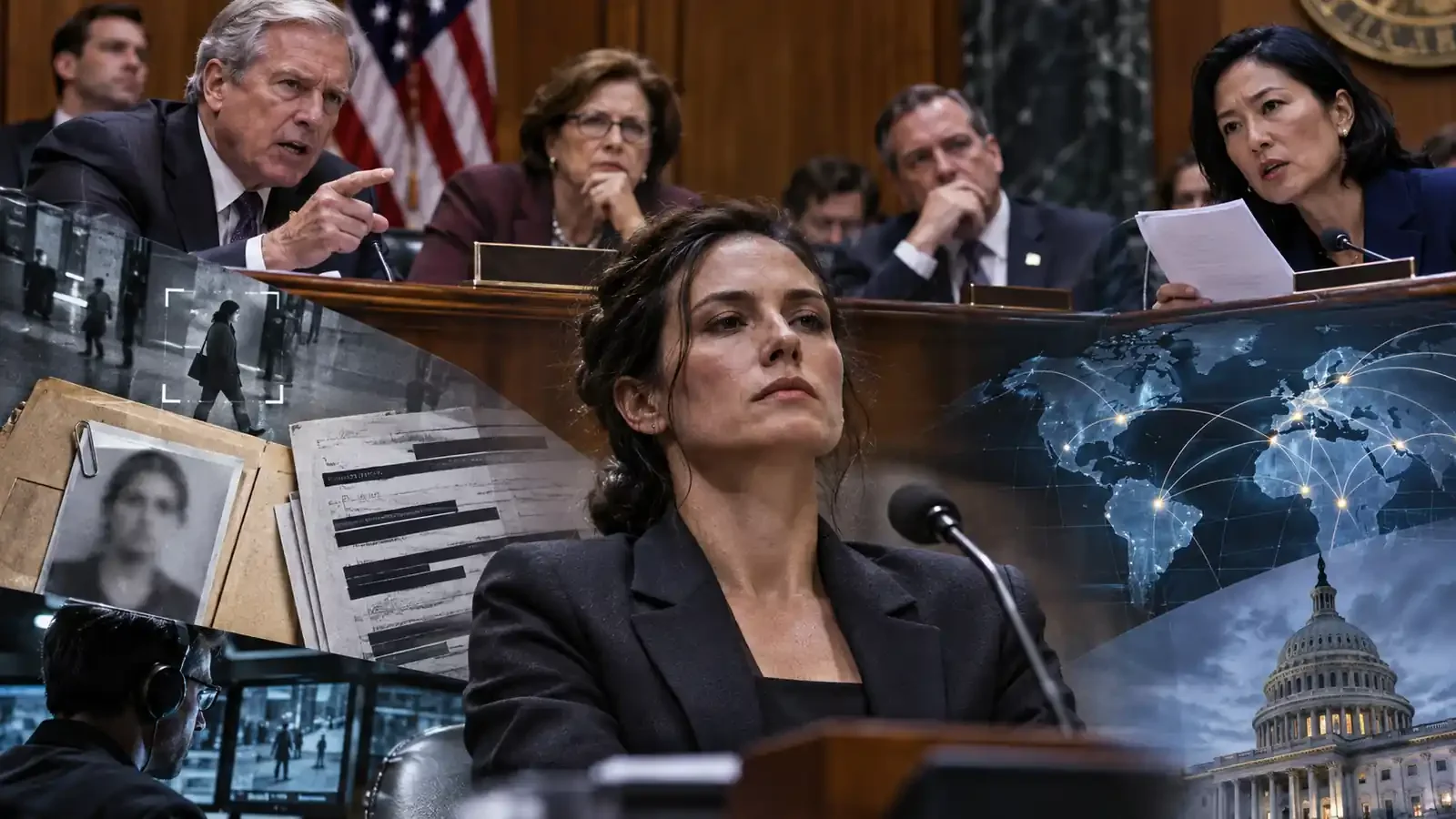
Three chairmen of U.S. House of Representatives committees requested that Jensen Huang, Nvidia's CEO, take part in a closed-door meeting to clarify his contacts with a businesswoman suspected of working for Chinese intelligence. The request, released on Thursday (5), expands political scrutiny of the artificial intelligence chipmaker and its safeguards against foreign espionage.
The letter, dated November 4, 2026, was signed by Republicans Brian Mast, chairman of the Foreign Affairs Committee; John Moolenaar, who heads the special committee on China; and Rick Crawford, chairman of the Intelligence Committee.
The lawmakers requested a joint meeting for November 18, with a deadline of November 11 for Huang to confirm his participation or suggest another date. The document also asks for clarification on the protocols adopted by Nvidia to prevent foreign governments from accessing sensitive information.
The questioning arose after an investigation published by The New York Times on October 29. According to the newspaper, U.S. intelligence authorities found signs that Alice Huang, also known as Huang Le, had passed information to Beijing while maintaining a close relationship with the Nvidia executive.
Alice Huang was an executive at Megaspeed, a data center infrastructure company based in Singapore and a customer of the American manufacturer. The company also came under scrutiny from U.S. authorities amid suspicions that advanced artificial intelligence equipment could be reaching China contrary to American export restrictions.
Billion-dollar chip purchases broaden questions
The commercial dimension of the relationship is also under investigation. According to international trade records analyzed by The New York Times, a company associated with Megaspeed in Malaysia purchased at least US$ 4.8 billion in equipment containing Nvidia chips and technology between June 2024 and February 2026.
The journalistic investigation also noted that companies linked to Megaspeed continued buying Nvidia products in 2026, including through intermediaries. However, suspicions of equipment diversion do not constitute proof that the company violated American restrictions.
Nvidia said that Jensen Huang's meetings with Alice Huang were part of the executive's usual business activities, as he maintains contact with thousands of customers annually. The manufacturer also stated that its cloud infrastructure customers in Asia receive only ordinary business information, without access to sensitive industrial secrets or data related to national security.
Megaspeed previously told The New York Times that it had hired outside legal counsel to investigate the allegations and cooperate with U.S. authorities. China rejected the espionage accusations.
Political pressure is not limited to the Republican lawmakers responsible for the letter. On October 29, Democratic Senator Elizabeth Warren also demanded answers from Nvidia's leadership about the case and once again advocated restrictions on the transfer of advanced technology to China.
So far, the information released does not show that Jensen Huang knowingly shared confidential information with Chinese intelligence. Congress's request represents a formal request for clarification, not a criminal accusation against the executive.