The FBI arrested Abdulrahman Alfozan, a 35-year-old Saudi engineer at OpenAI, accused of secretly installing a recording device in one of the company's executive meeting rooms in San Francisco. The arrest took place on October 9, but the charge was announced by the United States Department of Justice on Tuesday (13).
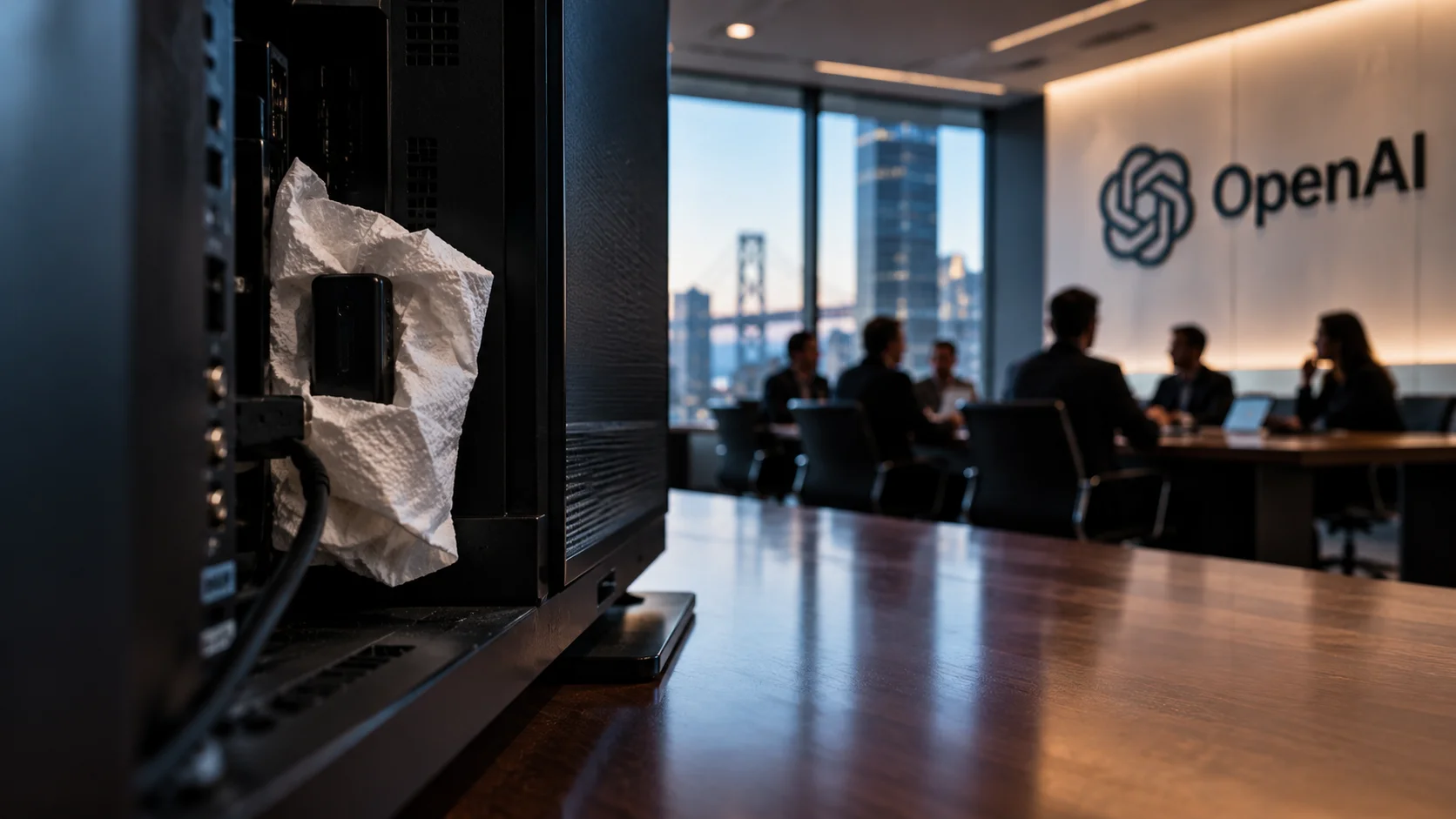
The equipment was discovered on September 30, connected to the USB port on the back of a television. According to the federal indictment, the recorder was hidden in toilet paper, stored encrypted content and had allegedly been installed two days earlier.
The room was used for discussions about confidential research, product development, business strategies and government relations. Alfozan, hired in July 2025, did not have authorization to access the space or take part in those meetings.
Security camera footage showed the engineer near the room on different occasions. On October 5, he was filmed entering the room and apparently examining the back of the television, even after the discovery of the first device.
On the same date, security employees found a second similar device inside a bag left by Alfozan in another room. The bag also contained his wallet and identification documents.
Investigation reveals use of AI tools in preparing the eavesdropping
One of the details presented by investigators involves the use of digital tools to gather information about OpenAI's internal spaces.
Before the alleged installation, Alfozan allegedly used a productivity tool to check office addresses, meeting room capacity and schedules, executives' locations and meetings with external partners.
The indictment also identifies a chatbot account associated with the engineer's wife, which shared identifiers with his account. Between September 24 and 30, that account logged questions about building continuous recorders, Wi-Fi connections, remote audio monitoring and memory card encryption.
Some queries contained technical identifiers specific to the device found. The document does not clarify who carried out those interactions.
OpenAI itself stated it used its artificial intelligence models to analyze the device and help identify the employee responsible. The company reported the case to the FBI and fired Alfozan.
In its statement, the company emphasized that it found no evidence of improper access or extraction of model weights, source code or customer data. This assessment does not establish, however, whether confidential conversations were ever recorded.
The engineer faces the federal charge of using or attempting to use a device to intercept oral communications. He remains in custody and has a detention hearing scheduled for October 19.
If convicted, he could receive a sentence of up to five years in prison, a fine of US$ 250,000 and three years of supervised release. The FBI continues to investigate the case, and authorities have not yet disclosed a possible motive for the installation of the devices.