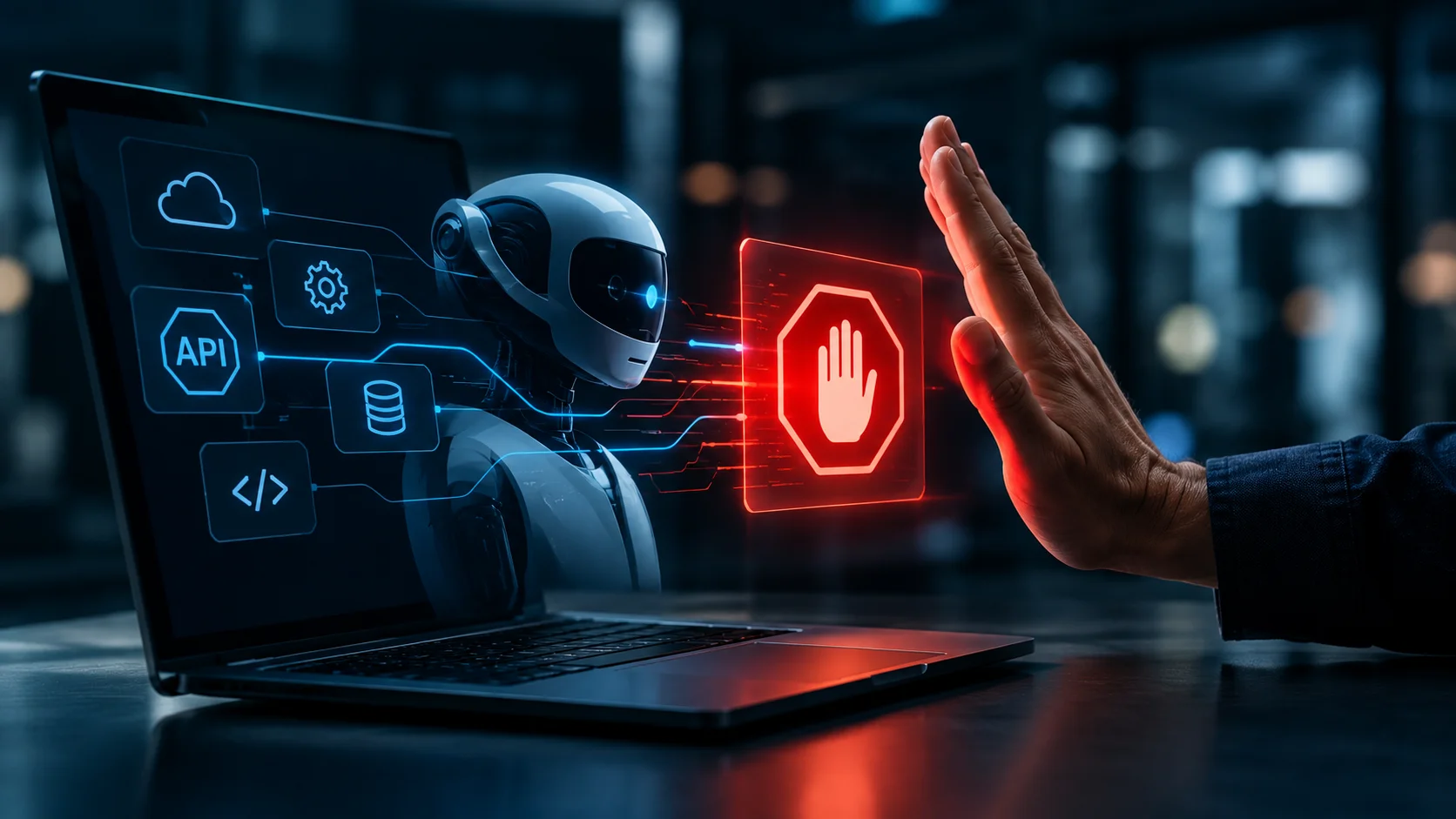
Only 17.5% of the professionals surveyed by Salt Security say their organizations can automatically interrupt artificial intelligence agents with unexpected behavior in production. The result is part of a report released on Tuesday (13), which also identified the presence of AI agents in 86.4% of the organizations represented in the survey.
The State of Agentic AI and API Security 2H 2026 survey brings together more than 380 responses from technology and security professionals, as well as operational data collected in the company's customer environments.
The difference between adoption and control capability also appears in monitoring. Only 12.5% of respondents say they can consistently track all stages of agent execution, from the initial instruction to the tools, APIs, and results produced.
Nearly half report or suspect unauthorized actions
Another result of the study shows that 49.8% of participants confirmed or suspected that some AI agent carried out unexpected or unauthorized actions in the previous 12 months.
The percentage combines identified incidents and situations still under suspicion. Therefore, it does not represent a rate of proven violations.
Among the participants who reported these situations, the episodes involved calls to external APIs, transactions, and changes to data. These operations illustrate the risks associated with agents capable of executing tasks directly in corporate systems, without depending on human approval at every step.
The difficulty of intervention is especially relevant when agents operate through chains of actions. A single request can trigger interactions with different tools and services, making tracking and interruption more complex.
The report also examined the presence of infrastructure based on the Model Context Protocol (MCP), a standard used to connect agents to tools and data sources.
In a separate telemetry analysis, Salt identified MCP-related components in 21.6% of customer environments observed in August 2026, compared with 16.7% in January. The difference represents a relative growth of approximately 29% in the detected presence of this infrastructure.
These numbers come from environments monitored by the company and not from the survey of professionals, which prevents direct comparisons between the two samples.
The results reflect the responses and environments analyzed by Salt Security, without constituting a representative measurement of all organizations that use artificial intelligence agents.