The Chinese startup Pongbot has completed a Series B round of hundreds of millions of yuan to develop sports training robots with artificial intelligence. The deal, revealed on Sunday (11) by 36Kr, was led by the Shanghai State Investment Pilot Fund, with participation from other investors.
The funding will be directed toward AI models specialized in sports, computer vision and technologies capable of automatically adapting training. The company also plans to expand its international presence. The exact amount of the round and the startup's valuation were not disclosed.
Company reports 300,000 users and more than 2 billion launches
Pongbot claims to have surpassed 300,000 global users, while its equipment accumulated more than 2 billion ball launches. The figures were presented by the company to 36Kr, with no independent audit identified.
In an interview with the outlet, founder and CEO Zhang Haibo said that the platform brings together approximately 1 million trajectory records in table tennis and more than 200,000 in tennis. The data feeds systems developed to identify technical difficulties and adjust exercises to athletes' performance.
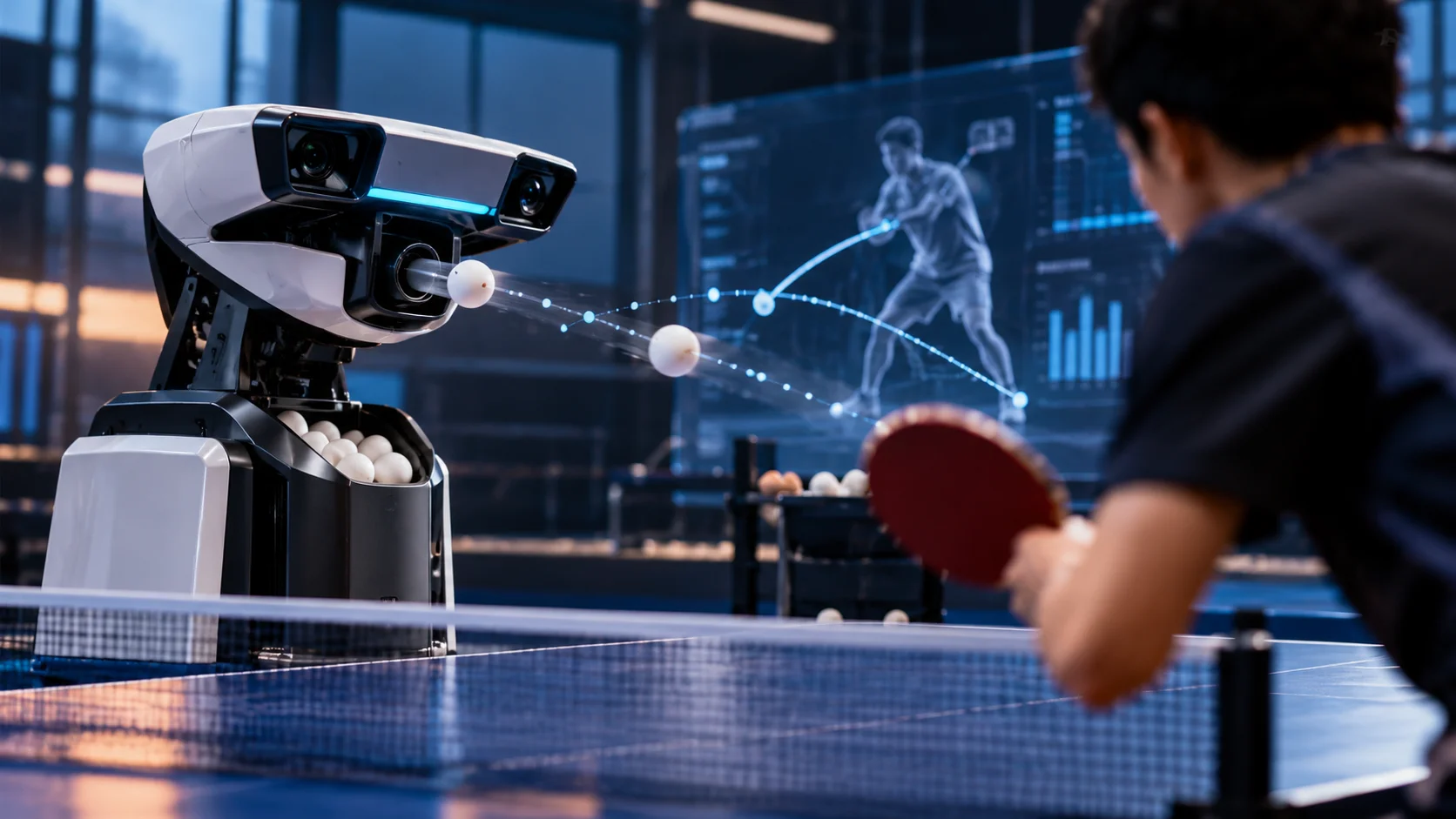
The equipment combines launching mechanisms, cameras and automated guidance. The Aura robot, for example, uses two cameras operating at 120 frames per second. Local processing allows quick responses during exercises, while the cloud handles more complex analyses and training planning.
The company also presented commercial results. The Aura campaign on Kickstarter, which ended in July 2026, raised 31.48 million Hong Kong dollars, with 4,836 backers.
On September 29, Tennis Australia announced a multi-year partnership with Pongbot, which became the official supplier of ball-launching machines for the Australian Open and the Australian National Tennis Academy. The initiatives include the 2027 edition of the tournament.
With the new funds, the startup plans to improve its systems and expand the technology to pickleball, padel, badminton and baseball. There is still no public timeline for the launch of these devices.