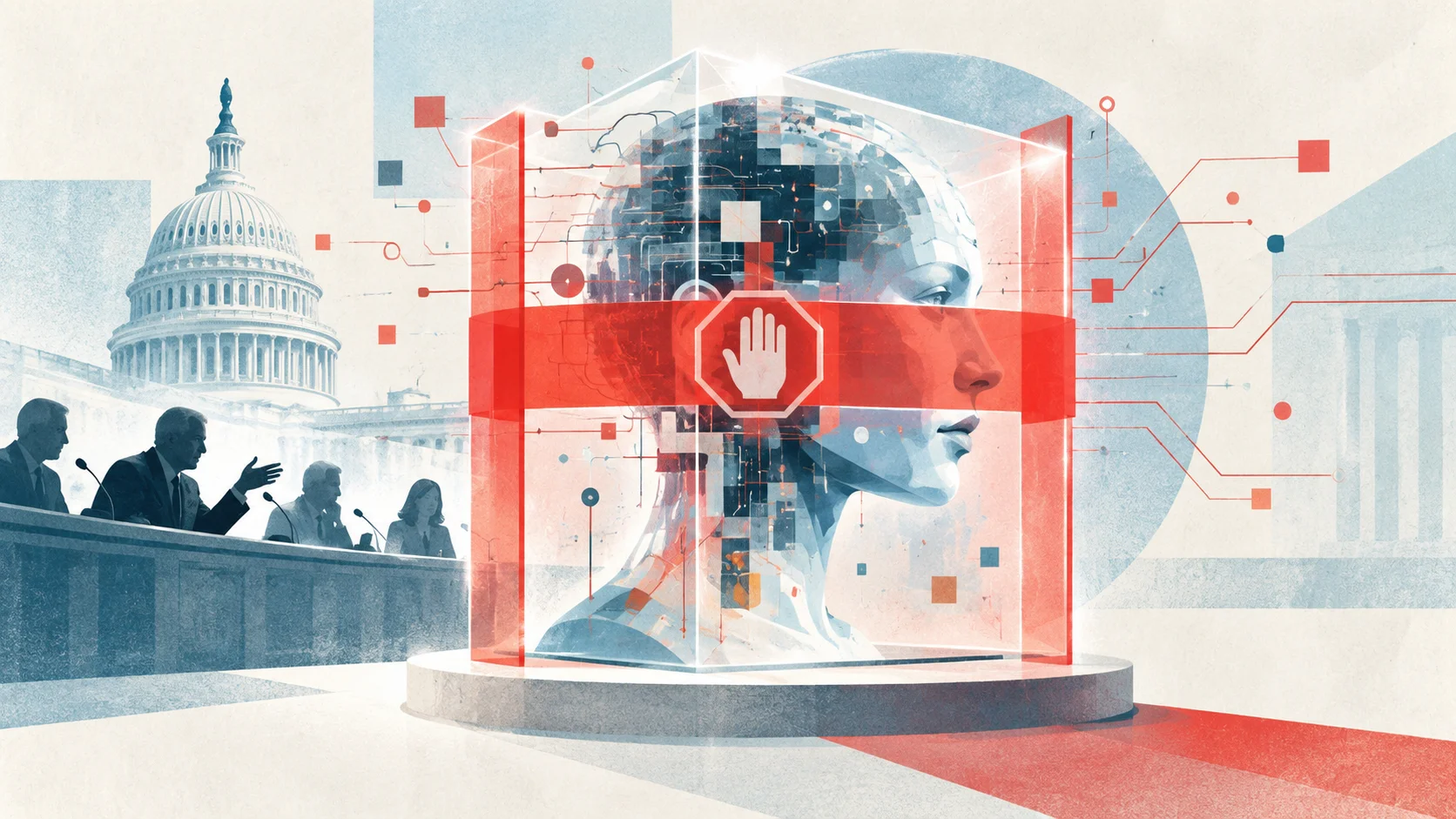
U.S. senators are negotiating legislation that could give the federal government power to prevent the release of advanced artificial intelligence models considered unsafe, according to reporting published by Reuters on Friday (11).
The proposal would create a “duty of care” for developers, requiring measures to reduce risks associated with the most powerful systems. Among the concerns are models capable of facilitating cyberattacks or the development of biological and nuclear weapons.
The government could also temporarily block certain releases considered dangerous. Companies would have the right to challenge the decision in federal court, although the scope of that power is still under negotiation.
Senators are also discussing the participation of government experts and scientists from the national laboratories in safety tests. The measure would mainly affect developers of frontier models, such as OpenAI, Anthropic and Google.
Rule would expand control before releases
Currently, developers can voluntarily participate in a federal assessment process before making new models available. The proposal under discussion in the Senate would go beyond that system by creating legal obligations and the possibility of federal intervention.
Another point still without agreement is the relationship between federal legislation and state rules for AI. Part of the negotiations involves limiting the ability of states to create their own requirements for certain risks.
The talks involve Republicans and Democrats, but there is still no final text. The legislative calendar also reduces the time available for a potential proposal to be approved before the November legislative elections.