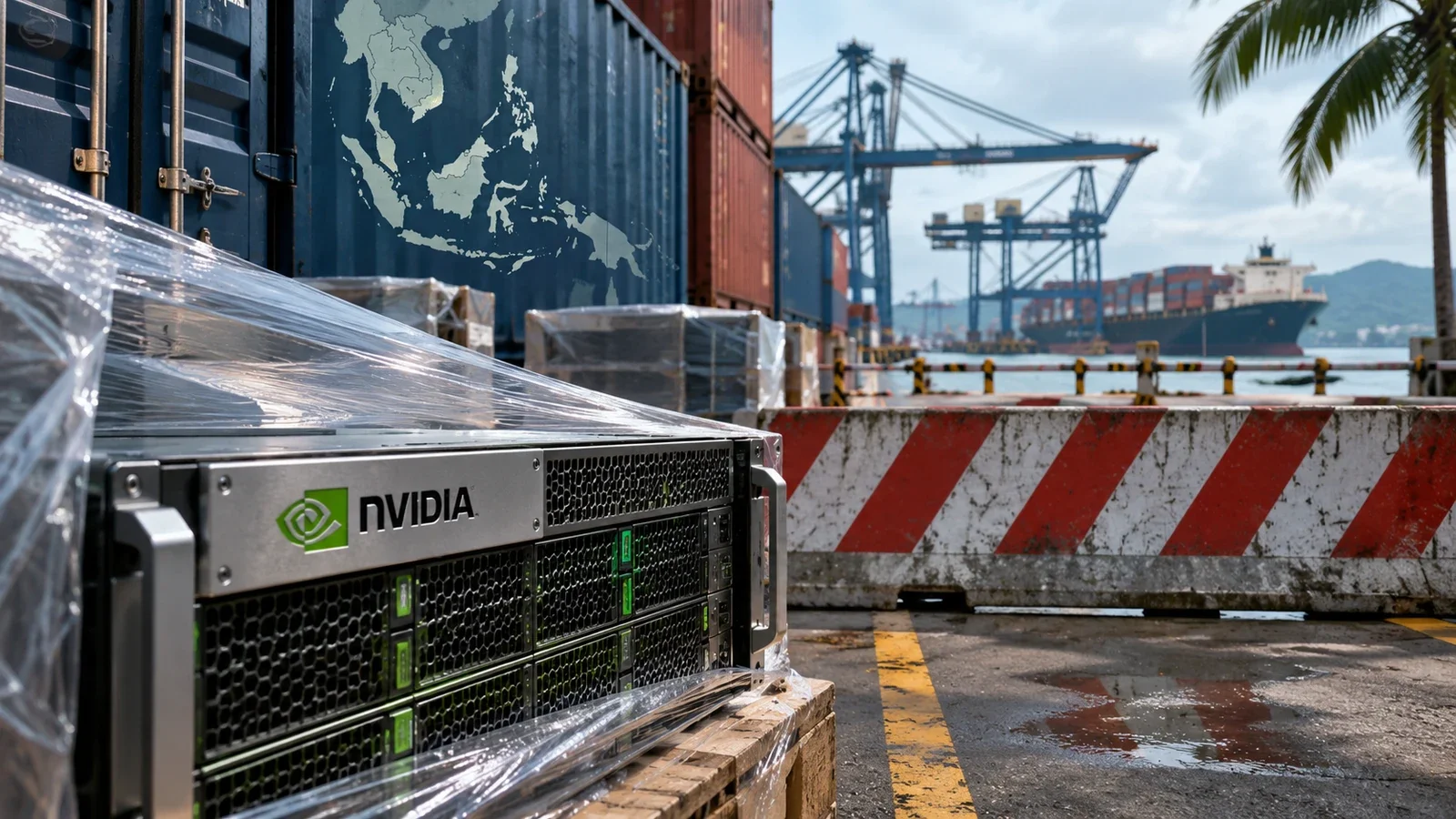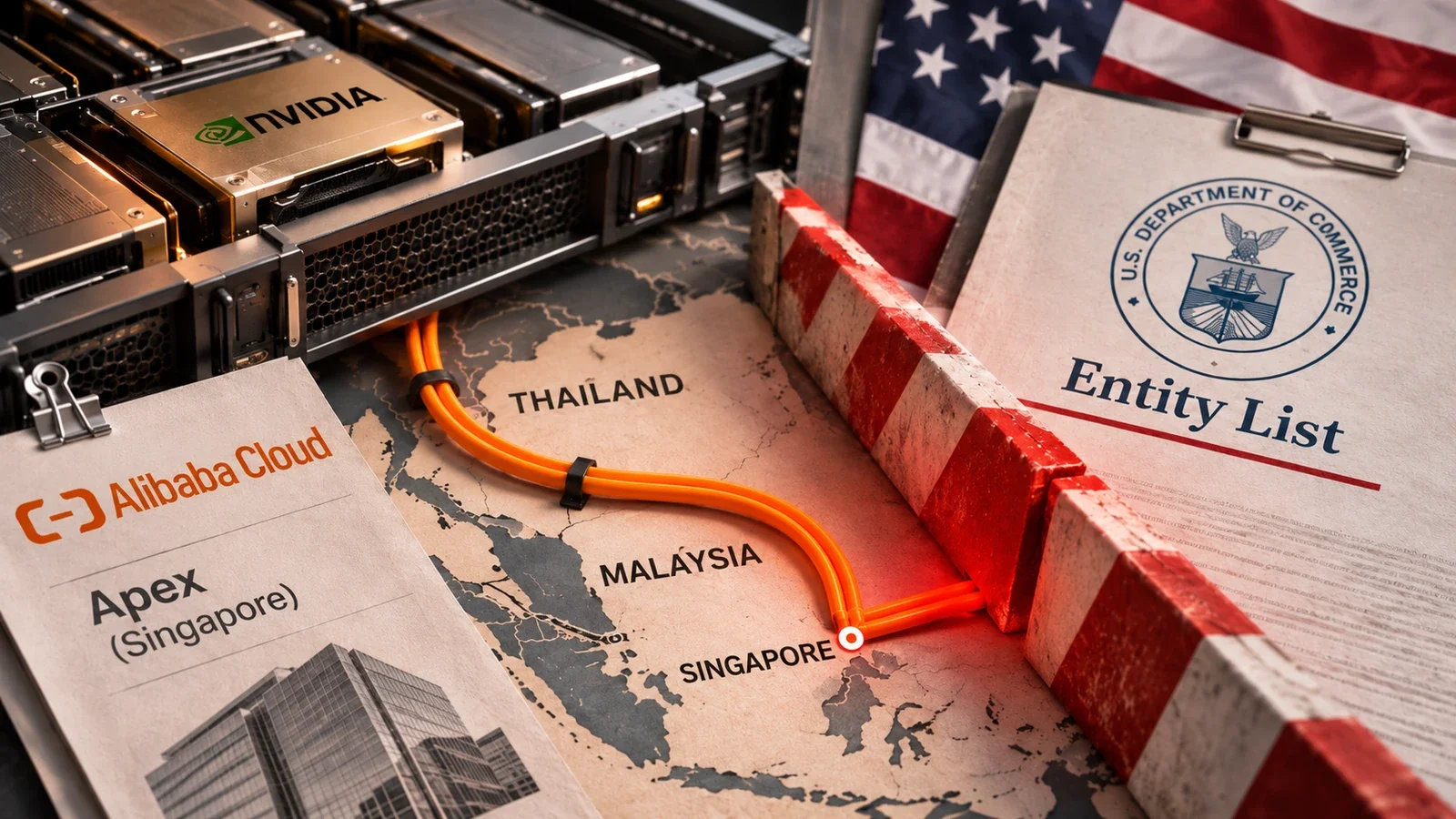
The US Department of Commerce added Megaspeed International and Apex Enterprise Solutions, Alibaba's subsidiary in Singapore, to its trade restrictions list over risks of advanced chip diversion. The decision took effect on Monday (23) and was published in the Federal Register this Wednesday (25). Alibaba challenged the measure, calling it “erroneous.”
The new rule from the Bureau of Industry and Security (BIS) affects seven companies in Malaysia, Singapore and Thailand. All now depend on US licenses to receive exports, reexports or transfers of products, software and technologies subject to the US Export Administration Regulations (EAR).
Applications will be evaluated under a presumption of denial, a standard under which granting a license is exceptional rather than presumptively authorized. The BIS justifies the inclusion by the significant risk of these companies' involvement in the diversion of advanced computing equipment to unauthorized recipients or uses.
In a statement to The Straits Times on Tuesday (24), Alibaba said that Apex's inclusion is mistaken because the subsidiary has never diverted chips subject to US restrictions. The company said it will pursue all legal avenues to protect its rights and reputation.
Megaspeed, previously a major Nvidia customer, has been under investigation by US authorities since 2024 for possible violations of export controls. In June 2025, the chipmaker placed the company on its internal sales ban list, known as no sell. Megaspeed denies wrongdoing.
Billion-dollar prepayments link Alibaba to Megaspeed infrastructure
The relationship between the companies goes beyond a conventional server contracting arrangement. According to corporate records reviewed by The Straits Times, Apex was incorporated in Singapore in July 2023 and is registered at the Lazada One building, used by Alibaba and its e-commerce platform Lazada.
Its immediate parent is Cloud Intelligence (Cayman) Holding, while ultimate control belongs to Alibaba Group Holding. The same records show that Apex maintained a financial agreement with Speedmatrix, Megaspeed's Malaysian subsidiary, involving IT and networking equipment, intellectual property and related rights as contractual guarantees.
The financial scale of this relationship appears in reporting by Reuters and Bloomberg. According to a source familiar with the deals who spoke to Reuters, Apex made approximately US$ 4.2 billion in advance payments to Megaspeed and other companies to contract computing capacity in Southeast Asia, receiving assets as collateral.
Bloomberg identified, in Singapore corporate documents, a services agreement signed between Apex and Megaspeed in January 2024. The records indicate a prepayment of up to approximately US$ 474 million in June of that year. Although the contract does not specify its purpose, a source close to Alibaba told the agency that it was structured for renting artificial intelligence processing capacity.
Separately, a Bloomberg analysis of Malaysian and Indonesian trade records estimated that Megaspeed acquired about US$ 4.6 billion in Nvidia equipment. That amount represents hardware purchases, while the amounts attributed to Apex correspond to advance payments for services. Therefore, they are not equivalent figures and should not be added together.
The model allows companies to contract processing capacity in foreign data centers without necessarily acquiring or directly importing the chips used. According to Bloomberg, Megaspeed rented much of its computing infrastructure to Alibaba, contributing to the expansion of the Chinese group's artificial intelligence services.
The inclusion of the two companies on the Entity List adds restrictions on the supply of American equipment and technologies that support this type of operation. The rule does not, by itself, establish a general ban on remote computing rentals: its formal effect falls on transactions involving items subject to the EAR.
In addition to Apex and Megaspeed International in Singapore, the decision includes Swiftdata, also based in the country; MSFusion, PT Megaspeed International and Speedmatrix, in Malaysia; and Megaspeed (Thailand), in Thailand.
The rule preserves an exception for shipments that were already in transit on November 23, provided they meet the previous conditions and are completed by December 23, 2026. Inclusion on the list does not amount to a conviction for chip diversion, and the investigations related to Megaspeed are ongoing.