Virginia, the largest data center hub in the United States, announced this Friday, September 18, a new accountability framework for the sector. The plan aims to expand transparency, restrict the shifting of costs to consumers, establish standards for water and emissions and give communities more power in approving new projects. Some of the measures immediately entered the executive agenda; others will depend on the General Assembly in 2027.
Two days earlier, the House of Representatives had approved by 417 votes to 3 the Ratepayer Protection Act, a federal attempt to make state regulators consider charging the incremental costs of generation, transmission and distribution of large consumers that require new construction. The attempt to accelerate approval in the Senate was blocked this Friday, so the bill is not yet law.
In Texas, the problem took another form. ERCOT, the state's power grid operator, has dealt with more than 474 GW in large-load connection requests — more than five times the all-time peak demand record of its system. In August, the state government ordered an audit of the projects before they could advance. On September 9, ERCOT formally began sending information requests to verify which candidates have concrete conditions to continue in the process.
These episodes are not just a regulatory reaction to the construction of more servers. They show a larger transformation: artificial intelligence infrastructure is no longer being treated as an essentially digital problem and is taking on characteristics of heavy industry.
Competition still involves chips, models and capital. But every GPU needs to be inside a data center; every data center needs continuous electricity; that electricity needs generation, transmission lines, substations, transformers, turbines, batteries and cooling systems. And these physical infrastructures cannot necessarily grow at the same speed as demand for computing.
The next phase of the AI race may be decided as much by the availability of megawatts as by the availability of GPUs.
AI is no longer just a software industry
The numbers help gauge the scale of the change.
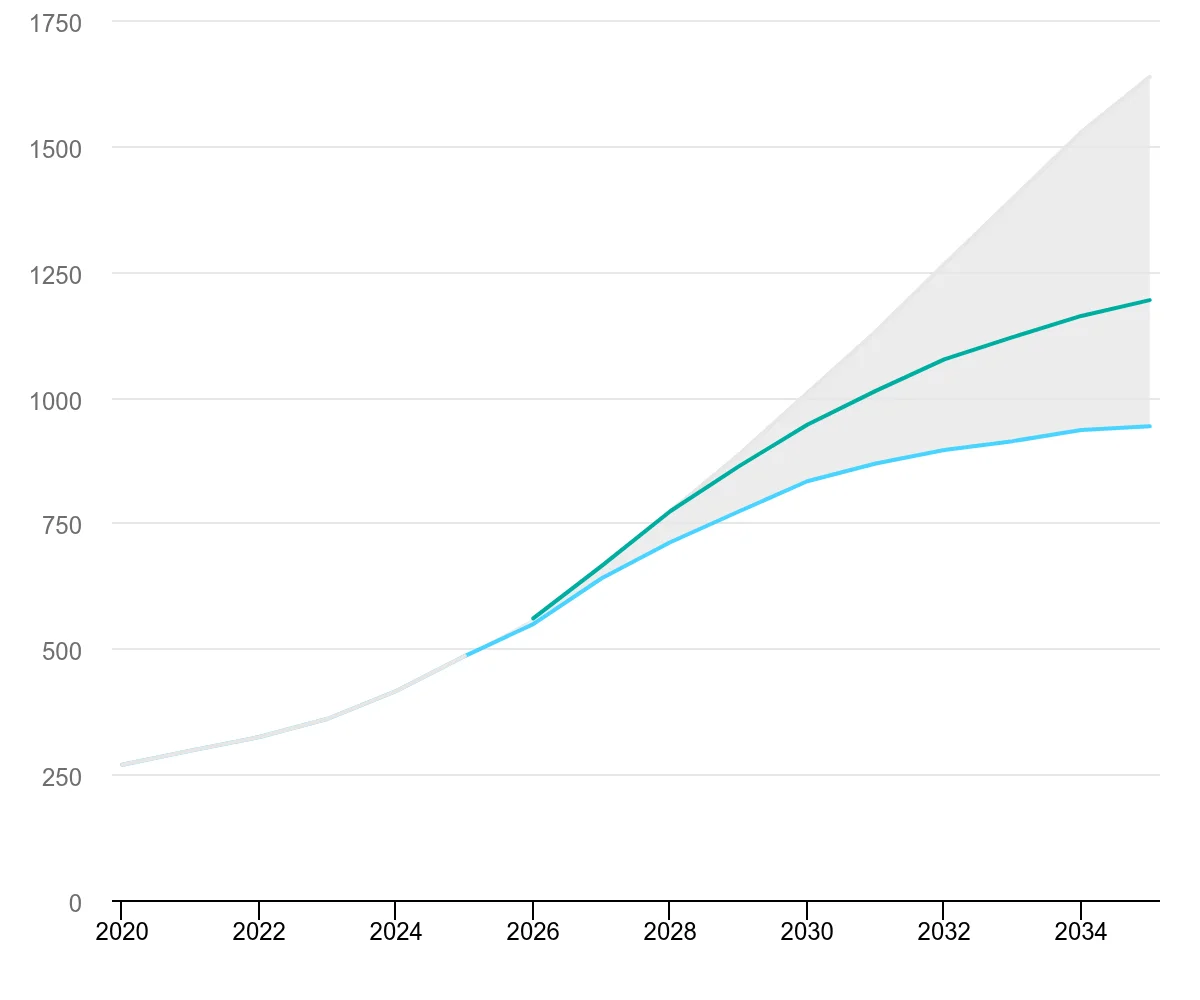
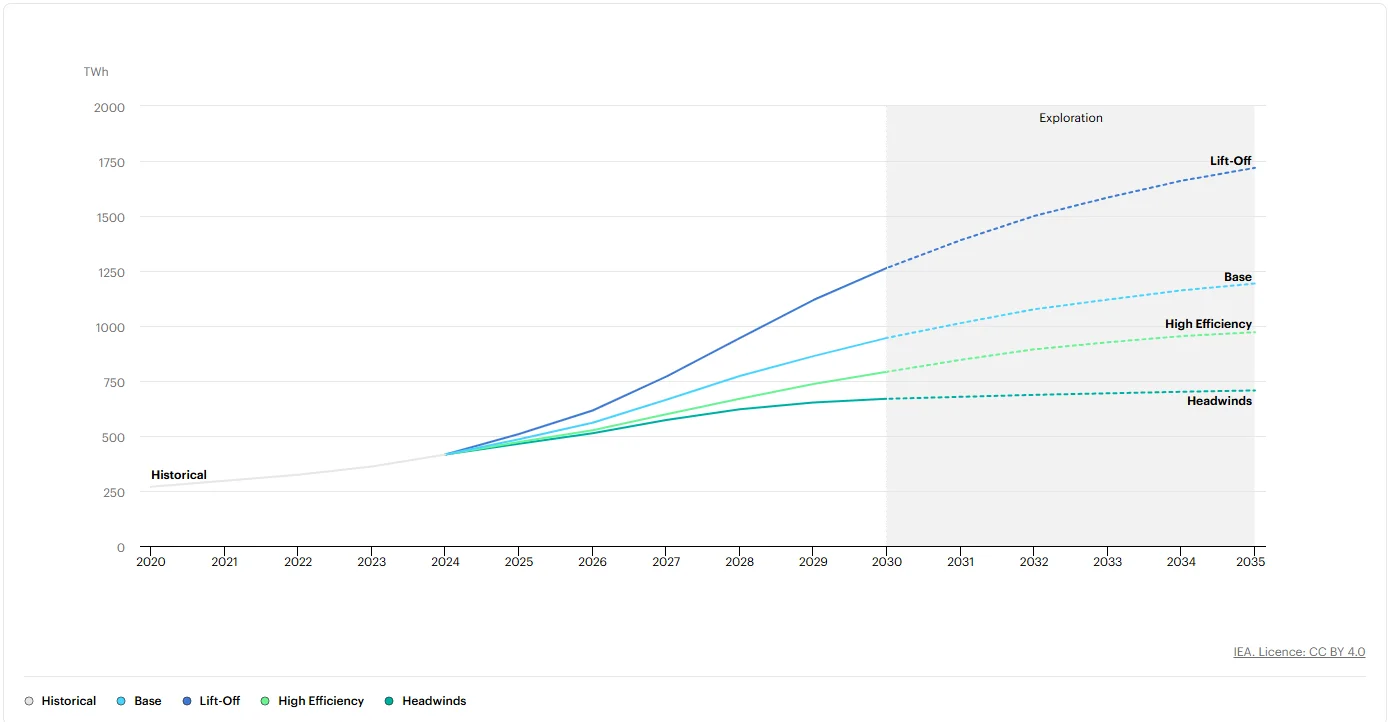
The International Energy Agency, the IEA, estimates that data centers consumed approximately 485 TWh of electricity worldwide in 2025. In its central scenario updated in April 2026, that volume reaches about 950 TWh in 2030, approximately 3% of all electricity worldwide. Consumption at facilities specifically aimed at AI grew 50% in 2025 alone and, according to the agency, could triple by the end of the decade.
The global share still seems relatively small when viewed in isolation. The problem is concentration.
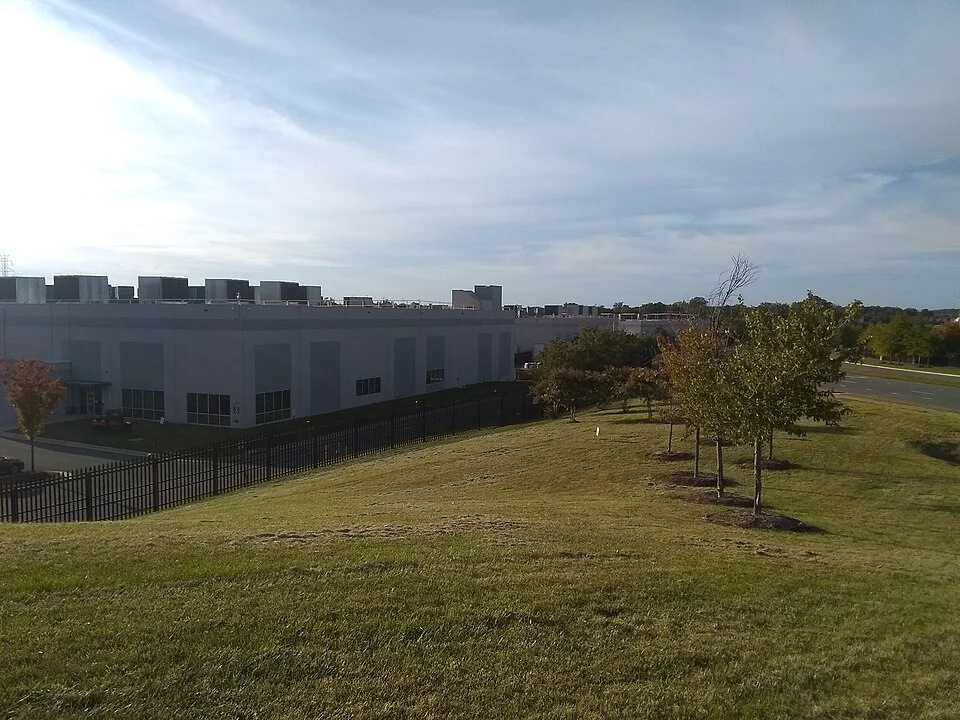
A conventional data center may demand a few dozen megawatts. An AI campus may exceed 100 MW. Projects currently under construction reach a scale of approximately 2 GW, while planned facilities considered by the IEA reach 5 GW. Nearly half of U.S. data center capacity is already concentrated in five large clusters.
This makes demand that seems manageable at a national scale become a much bigger problem for certain regional grids.
In the United States, the IEA projects that data centers will account for nearly half of electricity demand growth through 2030. By the end of the decade, according to the agency, they could consume more electricity than combined U.S. production of aluminum, steel, cement, chemicals and other energy-intensive industries.
A study updated by Lawrence Berkeley National Laboratory shows the scale of the uncertainty: depending on the evolution of hardware, facilities and demand, data centers may account for between 9.5% and 15.3% of all U.S. electricity consumption in 2030, with a central estimate of 11.8%. It is not a single forecast but a range of scenarios — and that difference matters precisely because grids and power plants must be planned years before it is known which scenario will prevail.
The change is already showing up in national data. The EIA forecasts record electricity sales in the United States in 2026 and again in 2027, citing data center development and expansion of industrial activity as drivers of growth.
Digital infrastructure has therefore begun competing for resources characteristic of industrial infrastructure.
The bottleneck is now between the server and the outlet
The sheer scale of the projects shows why electrical connection has begun to matter as much as the chip.
When OpenAI announced Stargate in January 2025, the goal was to secure 10 GW of AI infrastructure in the United States by 2029. In April 2026, the company said it had already surpassed that mark in contracted capacity, after adding more than 3 GW in just 90 days. Contracted capacity does not mean all those gigawatts are operational, but it shows the scale of the commitments being made.
In June, Microsoft announced a new campus in Pecos, Texas, that will add approximately 2 GW to its global capacity. The company expects a five-to-seven-year investment cycle for the venture.
It is in this difference in speed that the problem arises.
Servers can be installed progressively. Warehouses can be built in a few years. Transmission lines, large substations and new generation plants require planning, permitting, equipment procurement and construction that can span several investment cycles.
The IEA estimates that new transmission lines in advanced economies often need four to eight years to be completed. Lead times for critical components, such as transformers and cables, have roughly doubled in three years.
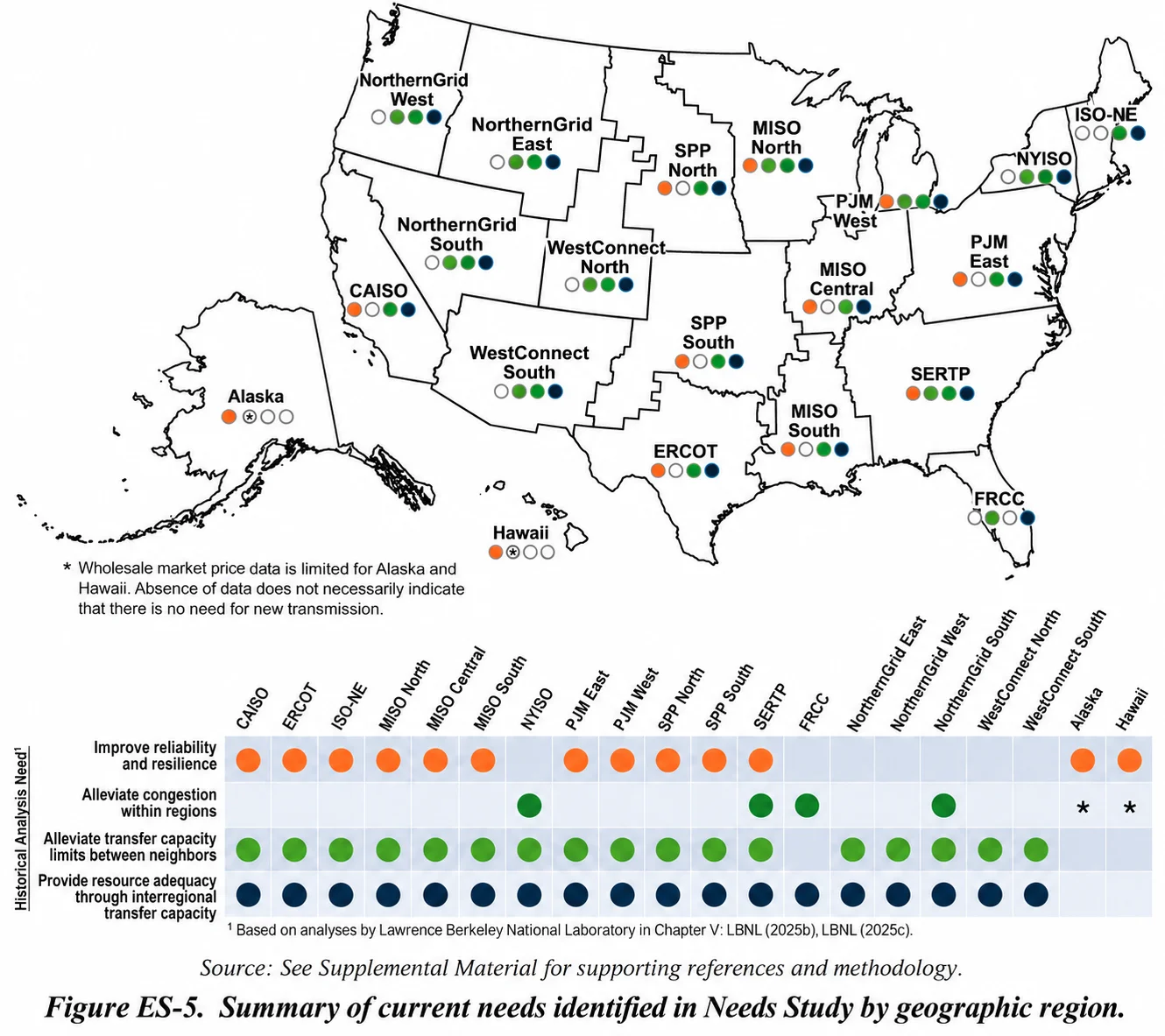
The U.S. Department of Energy reached the same conclusion in its draft National Transmission Needs Study of 2026: after decades of relatively stagnant demand growth, the grid must respond simultaneously to AI data centers, new factories, electrification and generation expansion. The study identifies an urgent need for additional transmission.
For this reason, it is not enough for a country to produce enough electricity in aggregate.
Power must be available in the right region, be transportable to the campus, arrive in the necessary quantity and remain reliable during practically every hour of the year.
Energy availability becomes part of AI architecture.
Texas shows why a connection queue is not synonymous with demand
No place illustrates the uncertainty of this process better than Texas.
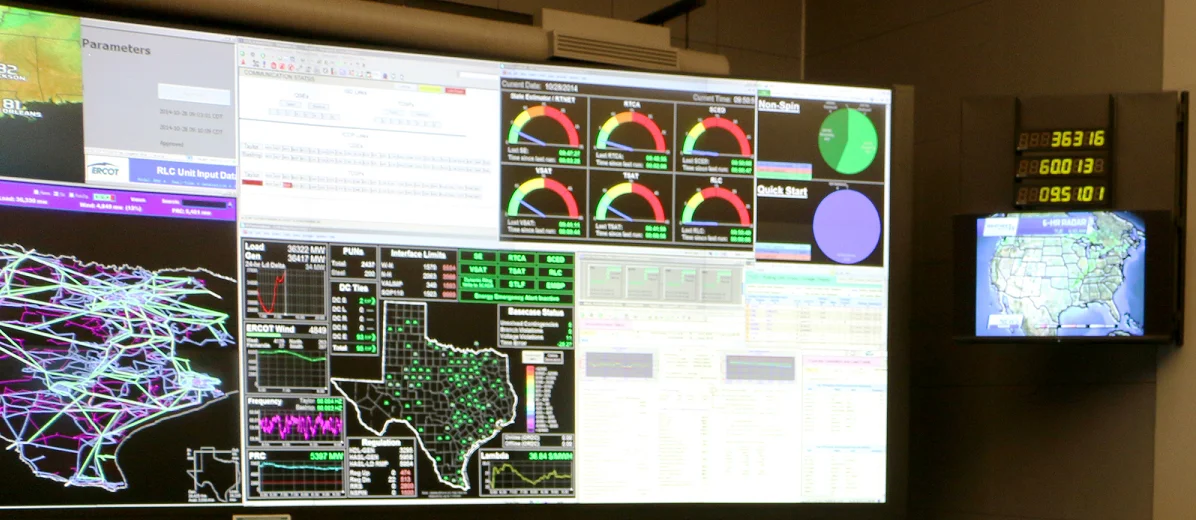
In February 2026, ERCOT was tracking more than 232 GW of large loads in the interconnection process. About 72% corresponded to data centers. At that moment, the total volume was already nearly three times the system's peak record.
In June, the queue had surpassed 438 GW, of which nearly 89% were associated with data centers. In August, the state government was already citing more than 474 GW in requests.
These numbers do not mean that Texas will have hundreds of gigawatts of new data centers.
That is precisely the problem.
A connection request may be at an early stage and depend on financing, customers, land, equipment and other authorizations. The IEA itself warns that current pipelines contain far more projects than are likely to reach operation and that facilities often reserve more grid capacity than their effective load during the initial phase, while servers are installed progressively.
Planning the grid as if all requests would materialize could produce excess infrastructure. Ignoring them could leave the system unable to serve projects that actually move forward.
ERCOT therefore abandoned part of the logic of analyzing large projects individually and created a batch process. The goal is to simultaneously assess potential demand, available capacity and necessary works. In August, Governor Greg Abbott also ordered an audit of the projects. On September 9, the operator began sending formal verification requests to members of the first group.
The dispute is no longer only about energy.
A dispute over credibility in the queue has emerged.
The hardest question now is who pays for the expansion
When a new multi-gigawatt campus enters a region, the bill does not end with the electricity consumed.
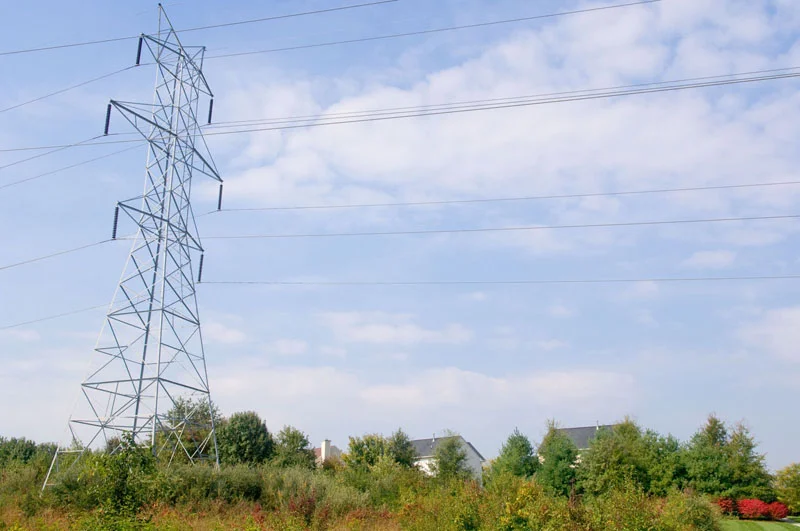
New substations, transmission lines, distribution reinforcements and additional generation may be needed. Because power grids are shared infrastructures, a regulatory question arises: how much of these investments should be attributed to the new customer and how much can be incorporated into system rates?
It was this problem that reached the U.S. Congress.
The Ratepayer Protection Act, approved by the House on September 16, creates a federal standard for state regulators to consider recovery of incremental costs caused by large consumers. The wording preserves states' authority and is not equivalent to an automatic federal rate determination. The attempt at fast approval in the Senate was blocked two days later, leaving the bill still pending.
States have already begun to act on their own.
In Texas, Abbott ordered in June that data centers fully finance the electrical infrastructure needed to serve them, instead of shifting those costs to residential consumers.
In Virginia, the State Corporation Commission created a specific rate class for large consumers, including data centers. Among the safeguards are long-term contracts and minimum charges that require large loads to pay at least 85% of contracted transmission and distribution costs, even when they use less capacity than planned.
The framework announced this Friday by Governor Abigail Spanberger takes this logic further. The plan proposes greater participation by large loads in generation and transmission costs, stronger financial commitments to reduce speculative projects and an end to automatic approval by right for facilities above 25 MW, among other measures that will still need to be converted into legislation.
But there is an important nuance.
Data centers do not necessarily raise rates in all situations. The IEA notes that in systems with excess capacity, a large, predictable load can improve the utilization of existing plants and grids and spread fixed costs over a larger volume of electricity sold. The risk increases when new infrastructure must be built to serve large, rapid and uncertain demand.
The economic problem is not simply consuming a lot of energy.
It is building billions of dollars in assets for a load whose size and permanence may still change.
Renewables are growing, but they do not solve 24-hour demand on their own
The growth of data centers is producing an effect that seems contradictory: it simultaneously accelerates investments in renewable sources and in dispatchable generation.
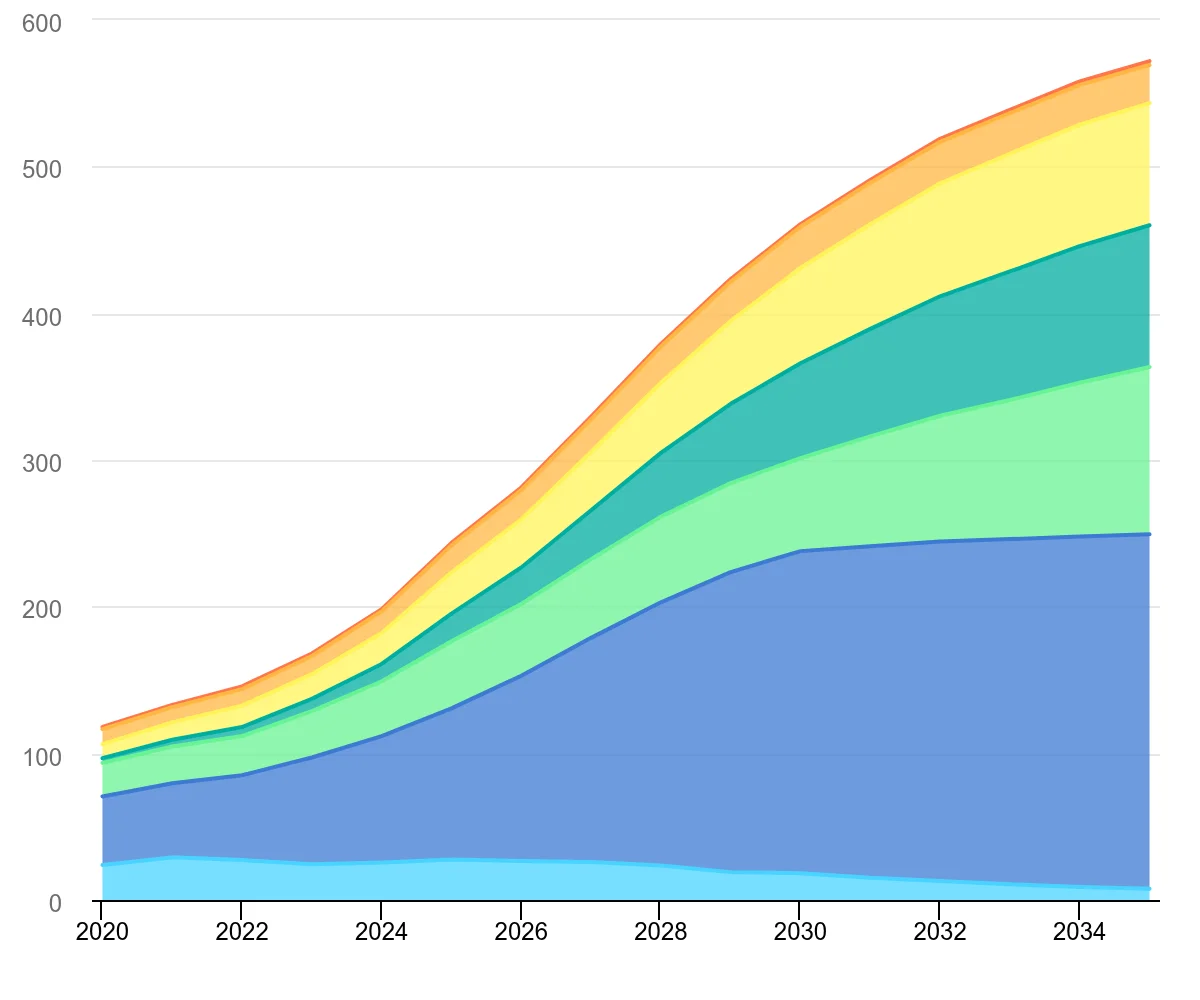
In the IEA's central scenario, approximately half of the global growth in electricity needed by data centers through 2035 will be met by renewables. The agency estimates more than 450 TWh of additional renewable generation to supply the sector over that horizon.
The technology sector has already become one of the largest corporate buyers of clean energy. In 2025, according to the IEA, technology companies accounted for about 40% of corporate renewable energy purchase contracts signed globally.
But annual energy availability and electrical availability at every instant are not the same thing.
Solar and wind can be built quickly and have competitive costs, but their output varies. An AI data center, on the other hand, may need to operate continuously and with large internal load swings.
This increases the value of batteries, hydropower, gas, nuclear, long-duration storage and other sources or technologies capable of complementing variable generation.
The IEA projects approximately 175 TWh of additional gas-fired generation to serve data centers through 2035, especially in the United States. The additional nuclear contribution is of similar magnitude in the global central scenario.
Therefore, the AI boom does not point to a single winning energy technology.
It increases the value of the combination of cheap energy, firm capacity, available grid and flexibility.
Nuclear has gained a new type of buyer
Few changes show the convergence between technology and energy as clearly as the nuclear contracts signed by Big Tech.
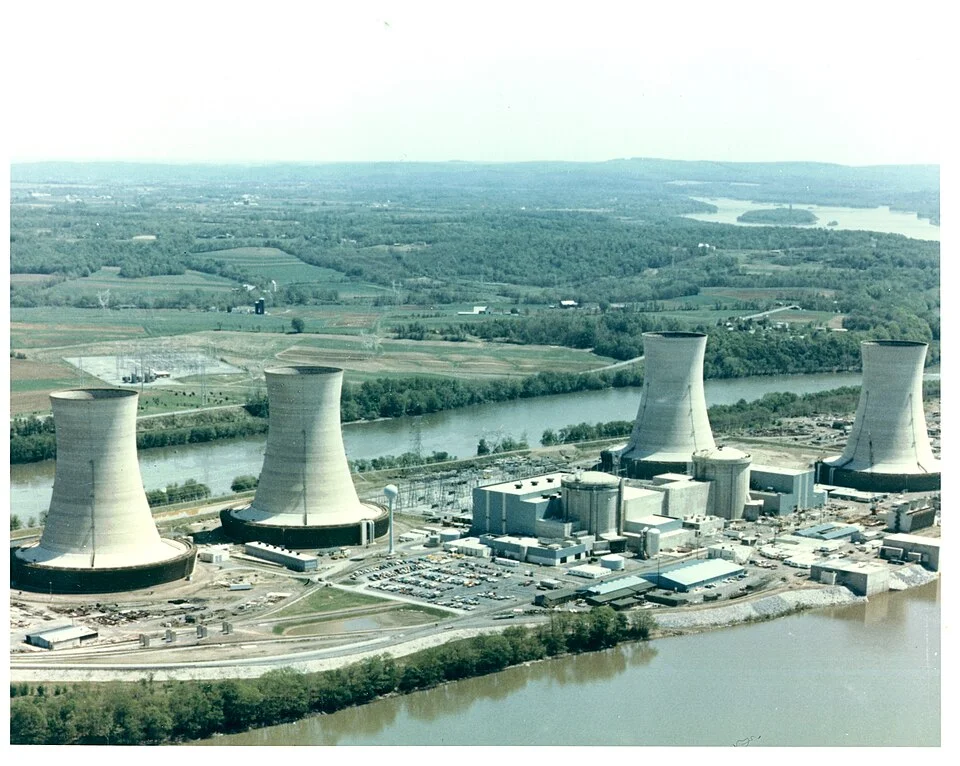
In 2024, Constellation signed a 20-year contract with Microsoft that economically supports the restart of Unit 1 at Three Mile Island, now called Crane Clean Energy Center. The agreement is associated with approximately 835 MW of capacity and was structured to help Microsoft offset the consumption of its data centers in the PJM region with carbon-free generation.
Amazon is supporting a different strategy. The Cascade project, in Washington state, initially envisions four small modular reactors from X-energy, with 320 MW, and possible expansion to 12 modules and 960 MW. Operation is projected for the 2030s. The company also invested US$ 500 million in X-energy, as part of a strategy targeting more than 5 GW of new nuclear capacity in the United States by 2039.
In Finland, Google and Fortum announced on September 9 a long-term agreement involving the Loviisa nuclear plant. The contract could cover up to half of the plant's capacity and helps support its operational extension until 2050. The announcement came alongside a Google plan to invest € 13 billion in digital and energy infrastructure in the country in 2027 and 2028.
These contracts do not mean that nuclear will solve the immediate bottleneck.
New reactors require years of development, licensing and construction. The first SMRs appear only around 2030 in the IEA's central scenario.
What AI offers the nuclear sector is something else: large consumers willing to take on long-term contracts for firm, low-carbon electricity.
This can improve the economic viability of life extensions and new technologies. But the outcome will depend on costs, timelines and execution capacity that have yet to be demonstrated.
The gas shortcut also runs into its own bottlenecks
Because new lines and plants take time, some developers are exploring an alternative: producing electricity on the campus itself.
In this model, part of the expansion no longer follows the traditional sequence of data center, grid and power plant. Generation is installed behind the meter, directly near the load.
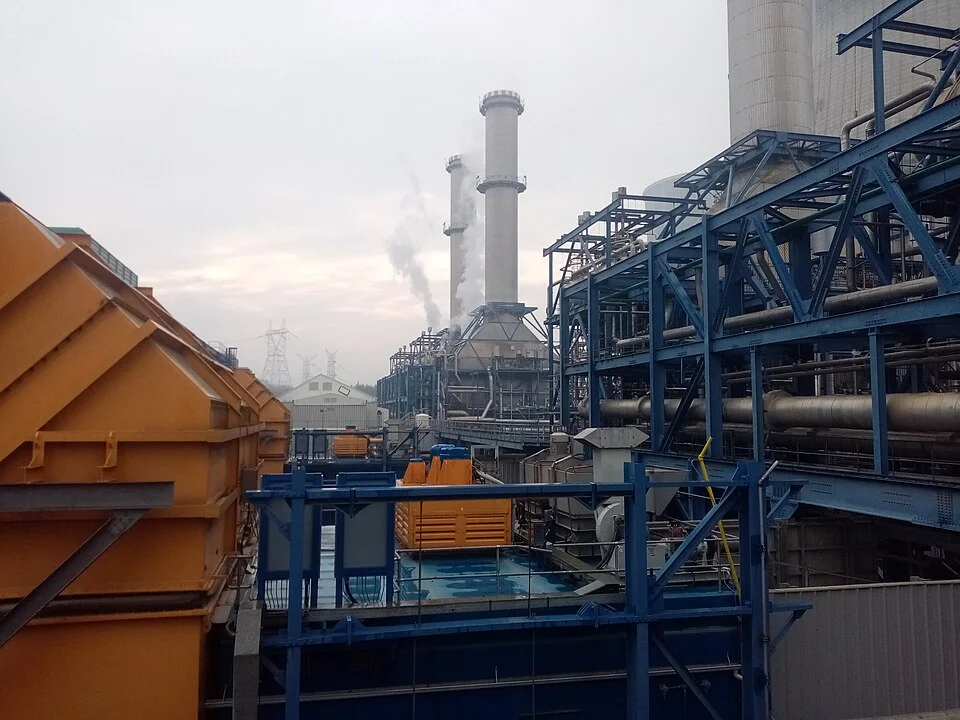
Natural gas is one of the main technologies considered for this in the United States.
The IEA estimates that between 15 GW and 27 GW of gas-fired generation installed directly at data centers may exist by 2030, although it notes that a good part of the projects is still at an early stage. The agency identified ground movement or construction at about one fifth of the initiatives it tracks by satellite.
The solution, however, does not eliminate complexity.
The load of AI systems can vary rapidly. To provide electricity with high reliability, the IEA's analysis indicates that isolated gas-fired facilities may need capacity 30% to 70% higher than the critical demand they intend to serve. Batteries and other stabilization systems become part of the architecture.
And there is another bottleneck: the turbines themselves.
Global orders for gas turbines grew 70% in 2025, according to the IEA. Delivery times already stretch for years.
Interest continues to grow. This Friday, Reuters revealed that one of the projects discussed in the investment package between South Korea and the United States is a 6.3 GW combined-cycle plant in Encinal, Texas, estimated at US$ 22.3 billion and designed to serve, among other loads, AI data centers and semiconductor factories. The project is under discussion and should not be confused with already approved or built capacity.
Gas can reduce immediate dependence on a congested grid connection. But it shifts the problem to turbines, pipelines, permitting, emissions and financing.
There is no physical path without infrastructure.
The chip boom is creating a second industrial boom
Energy is not the only scarce component around servers.
The electrical power concentrated inside data centers themselves is increasing.
According to the IEA, the power density of AI-oriented servers increased approximately 11 times between 2020 and 2025. By 2027, it may quadruple again. A single advanced rack could reach a peak demand equivalent to the electricity consumption of approximately 65 households.
This transforms the supply chain needed to build a data center.
Transformers, electrical distribution systems, power components, liquid cooling, cables, batteries and backup equipment become part of the same industrial race as GPUs and advanced memory.
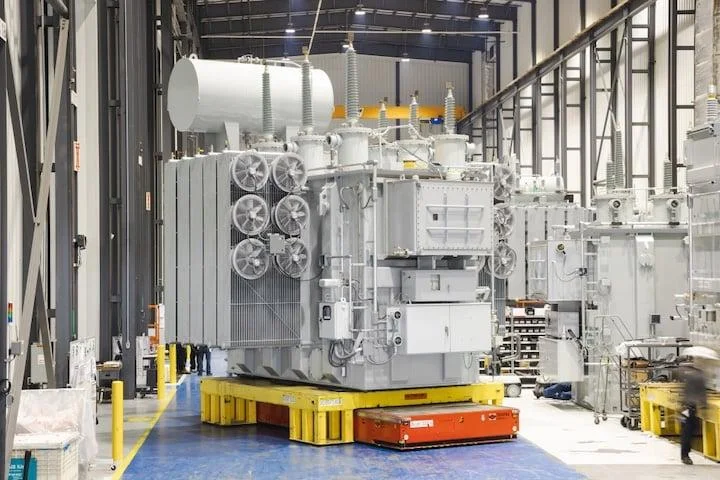
In other words, the expansion of AI does not create demand only for semiconductor manufacturers.
It creates demand for a relevant part of the electrical industry.
The IEA notes that electrical equipment companies, turbine manufacturers, nuclear companies and some energy startups have seen their financial performance become more associated with expectations around AI.
Batteries may take on an especially important role. The agency estimates that between 20 GW and 25 GW of storage could be installed inside data centers globally by 2030. If there are adequate incentives, these assets may cease to function only as server protection and also provide services to the grid.
The race for compute is therefore spreading investments to sectors that until recently were very distant from the main AI narrative.
Water turns digital infrastructure into a territorial issue
Electricity concentrates most of the discussion, but it is not the only physical resource in dispute.
Servers produce heat, and that heat must be removed. Depending on the climate and cooling architecture, this may involve significant water consumption.
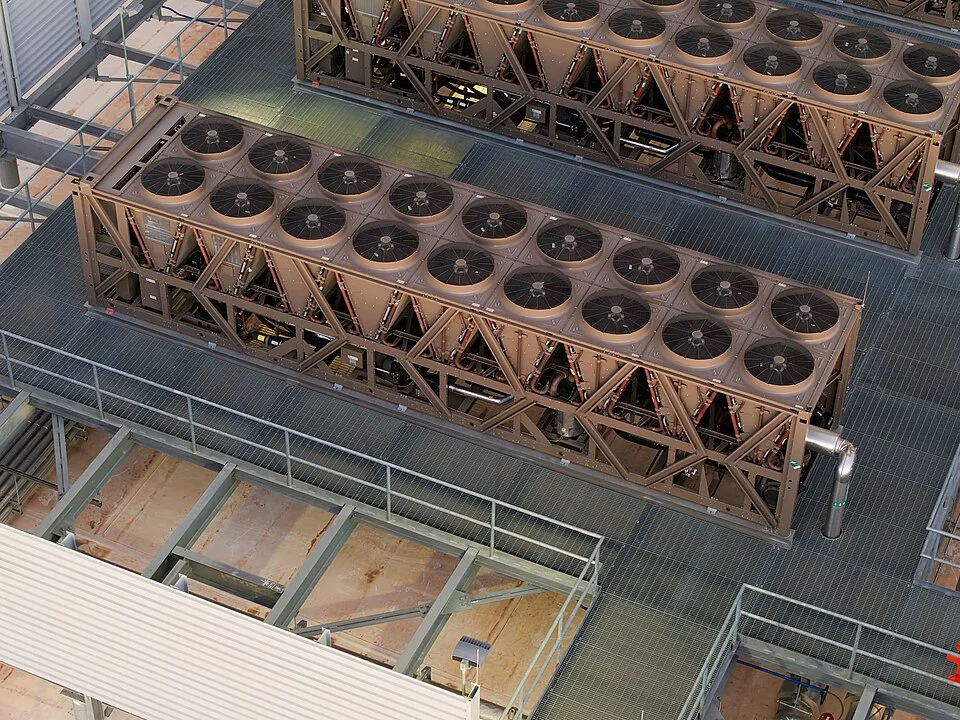
The problem is difficult to generalize. Different data centers use different technologies, and closed-loop systems, air cooling and new liquid architectures can produce very different results.
A study published in 2026 by the Center for Law, Energy & the Environment at the University of California, Berkeley, highlighted precisely the lack of transparency about how much data centers consume, where that demand occurs and in which regions it represents greater risk.
In Texas, this lack of information has already produced a regulatory reaction.
On September 14, Abbott ordered the Texas Water Development Board to use its enforcement powers against large users that fail to provide mandatory information about water consumption. The agency must also work with ERCOT on the data center audit, including water sources and adoption of efficient technologies. A progress report was requested for October 14.
Virginia also placed water among the pillars of its new framework, alongside energy efficiency, land use, emergency generation and noise.
This combination turns site selection into a political and economic problem.
A municipality may gain investment and tax revenue, but it must decide how to value the electricity, water, land, emissions and infrastructure consumed by the project.
San Jose offers an example.
The city estimates that each new data center can generate from US$ 3 million to US$ 6 million annually in taxes for public services. At the same time, local groups have begun demanding more information about electricity, water, pollution and environmental impacts before new projects are approved.
The economic advantage does not disappear.
It begins to be compared more explicitly with the cost of local resources.
Energy begins to redraw the geography of AI
The location of data centers has always depended on connectivity, land, taxes, latency, climate and proximity to users.
Now energy is gaining greater weight in that equation.
When OpenAI announced Stargate Norway, it chose Narvik, explicitly citing abundant hydropower, low-cost electricity, cold climate and an industrial base. The project starts planned for 230 MW, with the ambition to add another 290 MW.
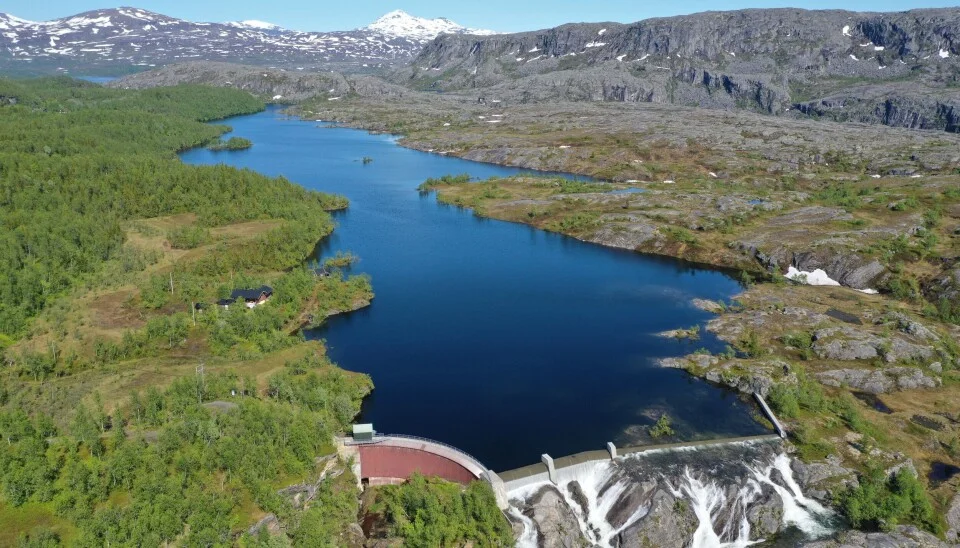
Google's strategy in Finland follows similar logic: a combination of digital infrastructure, relatively clean electricity, long-term contracts and new investments in generation.
In Europe, this issue is becoming industrial policy.
The European Commission estimates that data centers account for about 2.5% of electricity consumed in the European Union. Installed capacity, calculated at approximately 12 GW in 2025, may reach about 28 GW in 2030. Brussels wants to strongly expand computing infrastructure, but recognizes that the concentration of projects can increase congestion and pressure prices if integration is not planned.
The continent starts from a difficult energy position. According to the IEA, prices paid by electro-intensive industries in the European Union in 2025 remained, on average, more than double U.S. levels and about 50% higher than Chinese levels.
This does not automatically determine where the next generation of AI will be built. Talent, chips, capital, legislation, connectivity and market remain essential.
But abundant, reliable and competitive electricity begins to function as an industrial advantage.
The geography of AI is beginning to approach the logic that for decades guided steel mills, chemical plants and other electro-intensive operations.
Data centers can also become grid assets
The relationship between data centers and the power system does not have to be exclusively one of conflict.
There is an alternative: making computing demand more flexible.
Not all processing necessarily has to occur in the same place and at the same time. Some workloads can be shifted geographically or temporally, while batteries, backup systems and on-campus generation can respond to grid conditions.
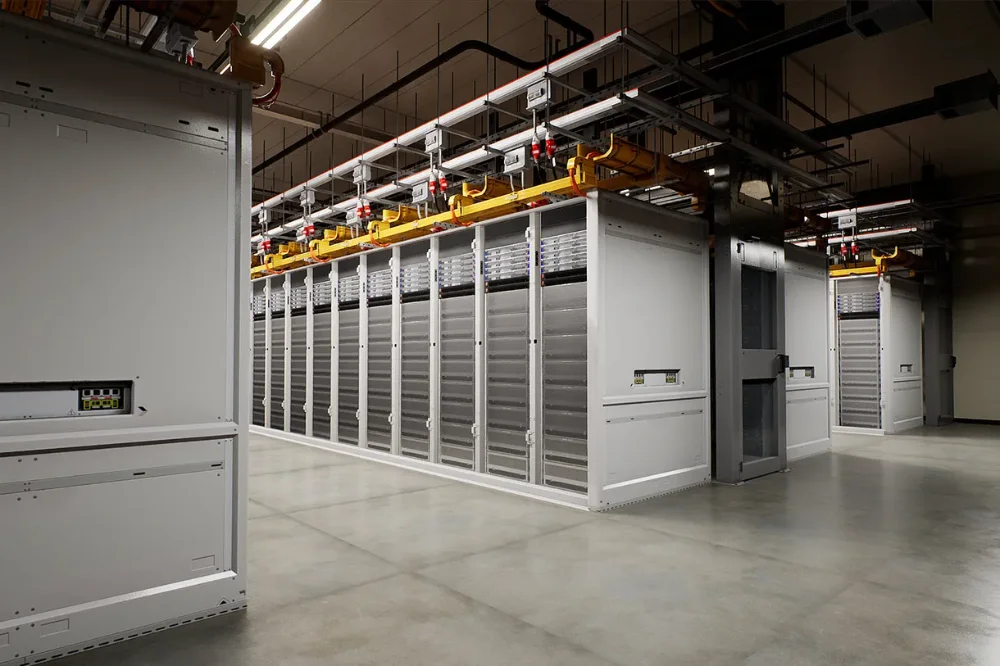
Operators can also offer non-firm connections, in which a data center agrees to temporarily reduce consumption in certain situations in exchange for a faster or cheaper connection.
The IEA considers this type of flexibility one of the main ways to integrate large loads without requiring that every megawatt requested be immediately matched by an additional megawatt of peak infrastructure.
It is not a trivial solution.
Data centers dedicated to AI carry extremely expensive equipment. Leaving GPUs idle represents economic loss, which limits how much flexibility an operator will be willing to provide.
Even so, the scale of the new projects changes the math.
Batteries initially designed for reliability can provide services to the system. Less urgent workloads can be scheduled for more favorable periods. Local generation can participate in demand response mechanisms.
If these models advance, the data center ceases to be just a huge load connected to the grid.
It can become an active participant in it.
The reverse risk is building infrastructure for demand that does not arrive
There is also a contradiction at the center of this entire investment cycle.
Demand for AI is growing rapidly, but no one knows precisely how much compute will be economically necessary five or ten years from now.
The largest technology companies analyzed by the IEA invested more than US$ 400 billion in 2025. The agency estimates that this capex will grow about 75% in 2026. The combined investment of just five companies already exceeds global investment in oil and gas production.
At the same time, the IEA warns that data center financing has become too large to depend only on these companies' balance sheets. Capital markets, return expectations, AI revenues, financing costs and investor confidence begin to influence how much of the announced infrastructure will actually be built.
This is the other side of the 474 GW in the Texas queue.
If demand is underestimated, grids become congested and projects are delayed.
If it is overestimated, utilities and investors may build plants, lines and substations for loads that arrive smaller, later or never arrive.
That is why measures adopted in Texas and Virginia include financial guarantees, long-term contracts, minimum charges and more rigorous verification processes.
The goal is not just to find enough energy.
It is to determine how much demand deserves to be financed as long-term infrastructure.
The dispute over the megawatt is transforming the very definition of AI infrastructure
During the first phase of the current AI cycle, the main scarce resource was the chip.
The ability to buy GPUs determined who could train larger models, serve more users and launch products more quickly.
That constraint still exists. But it is no longer alone.
The server is now connected to a much larger chain: generation, grid, transformers, turbines, cooling, storage, water, land, financing and permitting.
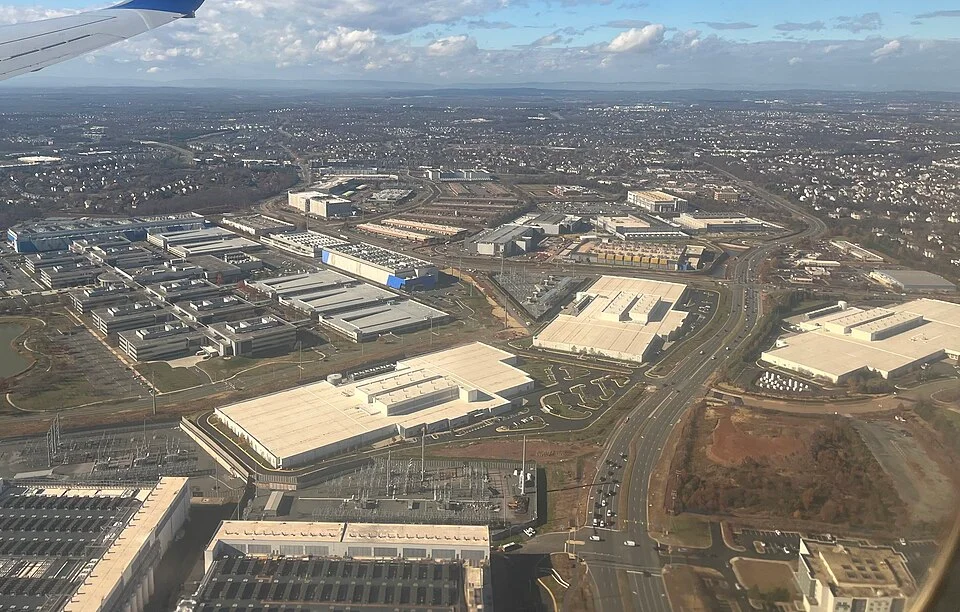
This helps explain why a discussion initially concentrated in Silicon Valley reached public utility commissions, grid operators, nuclear companies, turbine manufacturers and state governments.
And it also explains why competitive advantage in AI may begin to depend on characteristics that no model benchmark measures.
Regions capable of combining abundant and relatively cheap energy, grids with available capacity, equipment, adequate water, permitting speed and predictable rules for large consumers gain more favorable conditions to receive new infrastructure.
Regions where any of these resources becomes scarce may continue to have capital and talent, but face difficulties in turning computing plans into operational capacity.
The race for AI is thus transforming data centers into strategic industrial infrastructure.
What to watch next
The next stage of this transformation can be measured by concrete developments.
The first will be the evolution of connection queues. In Texas, the difference between the more than 474 GW requested and the volume that will survive ERCOT's verifications will help show how much demand was actually executable.
The second will be regulatory. The fate of the Ratepayer Protection Act in the Senate will indicate how far the discussion about cost sharing will go at the federal level. In Virginia, the 2027 legislative session will determine which parts of the framework announced this Friday will become permanent obligations.
The third will be energy-related. It will be necessary to track how many gas-fired generation projects behind the meter get off the drawing board, whether the supply of turbines and transformers can keep up with demand and how long new projects take to obtain effectively available power.
The fourth will be nuclear. The execution of the Crane Clean Energy Center, the Amazon project with X-energy and the Google-Fortum agreement will show whether contracts with technology companies can materially accelerate the entry or preservation of nuclear capacity.
The fifth will be financial. The most relevant data point will no longer be just how much capacity was announced and will become how much was financed, built, energized and effectively used.
It is that difference that will determine whether the current pipelines represent the infrastructure needed for a much more compute-intensive economy or whether part of them will disappear before reaching the grid.
The first phase of the AI race showed that artificial intelligence needs chips.
The current phase is demonstrating something more basic: chips need electricity.
And, as projects move from the megawatt scale to gigawatts, the megawatt ceases to be just an operating expense. It becomes a strategic resource that connects AI, energy, industry and economic competitiveness.