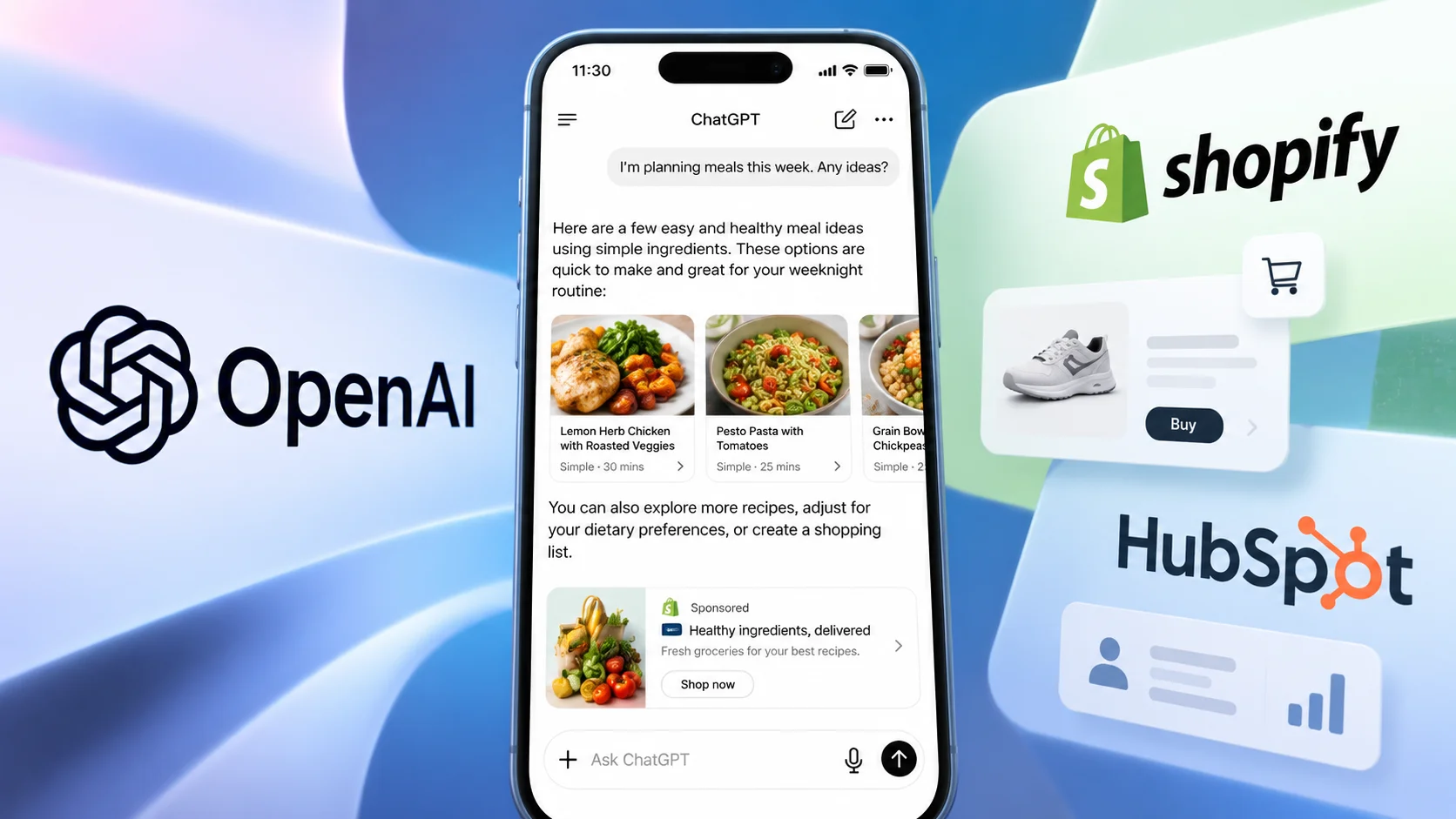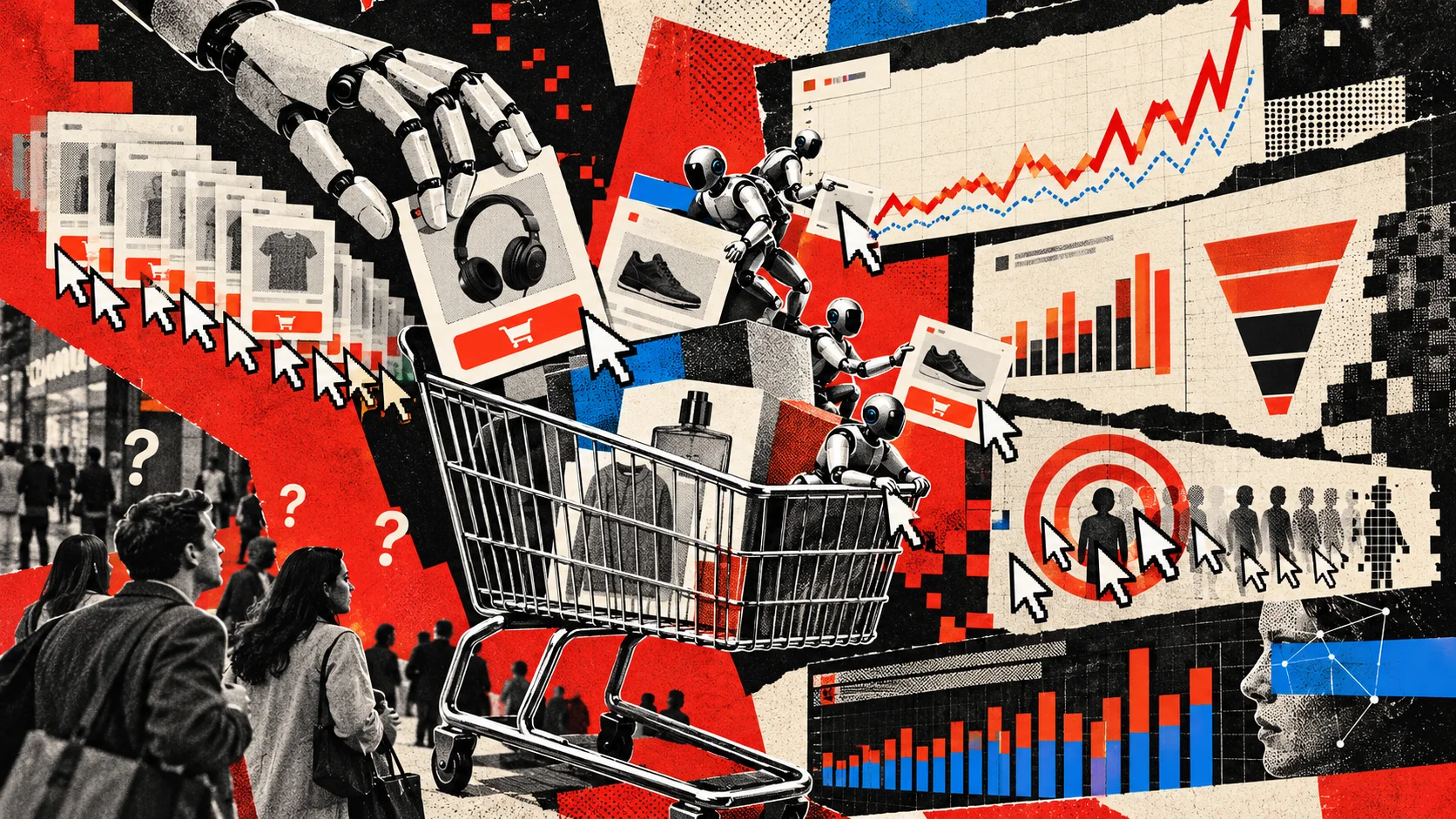
Artificial intelligence agents that search for products, browse stores, and perform tasks on behalf of consumers are creating a new problem for e-commerce: part of this traffic can be recorded as if it came from people, while another portion does not even appear in traditional analytics systems. The gap led NIQ and Similarweb to announce, on Wednesday (2), a specific solution to measure discovery, traffic, conversion, and AI-influenced sales.
The problem arises because agents capable of operating browsers can perform actions similar to a consumer's. They open pages, click, fill out forms, search for products, and reach the cart. When the store or advertising platform does not identify that the interaction was automated, these events can enter the metrics used to evaluate traffic and campaigns.
The consequence has already reached digital advertising. An agent that triggers an ad can generate impressions or clicks billed to the advertiser, even if no consumer directly saw that ad. This can inflate performance indicators and lead brands to allocate more budget to channels that appear to generate more human interaction than they actually do.
In a test reported by DoubleVerify, an AI assistant was given the task of buying a shampoo that was out of stock. Instead of simply abandoning the search, the system even clicked 10 or 20 times on different parts of the site trying to complete the task. For analytics tools, such a sequence can look like a highly engaged session.
The problem goes beyond clicks
The distortion can advance through the sales funnel. Automated traffic capable of triggering page, cart, or advertising pixel events can contaminate data used in retargeting, attribution, and automatic campaign optimization. Media systems then start making decisions based on a mixture of human behavior and machine activity.
At the same time, there is the opposite problem: some agents do not browse the store like a conventional user. They may query structured data or interact directly with catalog and checkout APIs, without loading pages in the way expected by tools based on sessions and JavaScript. In this scenario, a legitimate commercial interaction can be underestimated or attributed to the wrong channel.
This difference makes the old division between "human" and "bot" insufficient. A malicious crawler, a fraud bot, and an agent authorized by a consumer are all automated traffic, but they have completely different objectives. Detection platforms are already working to separately classify declared, undeclared, and evasive agents, rather than simply blocking all non-human activity.
The advance of AI in the purchasing process increases the pressure for this separation. Data from Adobe shows that traffic sent by AI tools to retail sites in the United States grew 393% in the 1st quarter of 2026 compared to the same period of the previous year. In March, consumers referred by these services converted 42% better than visitors coming from other sources. These numbers mainly measure users who arrive at stores from AI platforms, not autonomous agents, but they show how quickly AI is gaining ground in the shopping journey.
The solution announced by NIQ and Similarweb aims to track five areas: consumer intent within AI assistants, product presence in recommendations, quality of data available to agents, AI-driven traffic, and conversions effectively associated with these interactions. The first version is scheduled for the 4th quarter of 2026.
For retailers and advertisers, the change means that metrics such as sessions, clicks, cart abandonment, and conversion now require a new question before guiding marketing decisions: who — or what — performed that action?