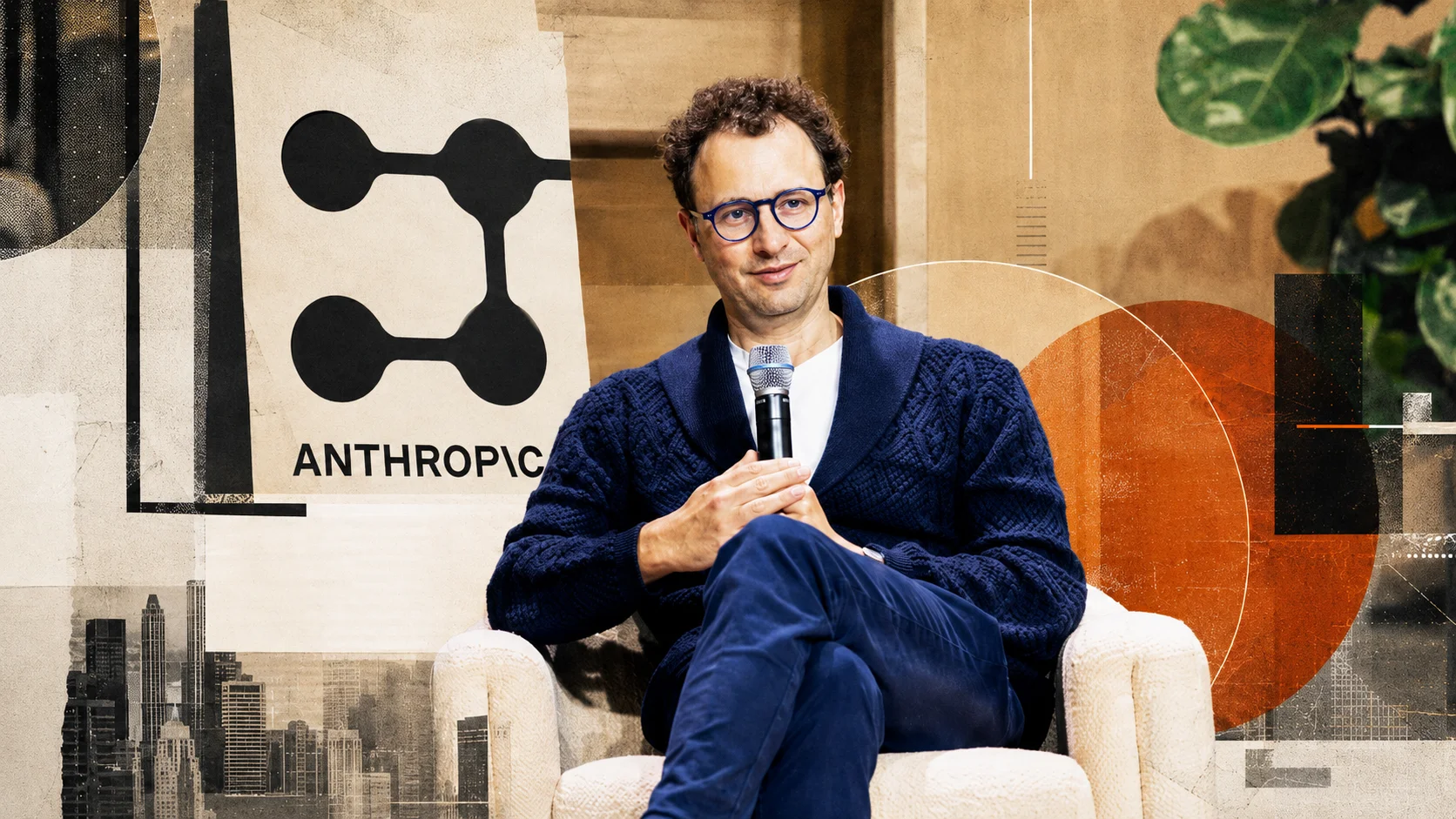
The Anthropic is expected to present to investors a potential market above US$ 30 trillion for its artificial intelligence products, an estimate that surpasses the one disclosed by SpaceX. The information was published by Wall Street Journal on Tuesday (25), based on people familiar with the matter.
The value represents the so-called total addressable market (TAM), and not a revenue forecast for the company. The metric calculates the annual revenue that could exist in a given market if a company or product reached 100% market share.
To arrive at the figure, Anthropic considers the set of activities that AI models could perform. The approach expands the potential market beyond the current use of tools such as Claude and includes tasks that could be automated or aided by the technology in the future.
The estimate surpasses the US$ 28.5 trillion in addressable market presented by SpaceX. In a document related to its initial public offering, the space company said it had identified the largest actionable addressable market in its history, with much of the opportunity associated with artificial intelligence.
Estimate reinforces narrative ahead of IPO
A potential market of this magnitude could help sustain Anthropic's valuation with investors and contextualize its high infrastructure spending to develop and operate AI models.
The company also projects revenue between US$ 190 billion and US$ 200 billion in 2028, according to information previously published by Reuters. These projections should carry weight in the company's valuation in a possible IPO.
Anthropic did not immediately comment on the estimate when contacted by Reuters. The company, responsible for the family of models and the chatbot Claude, competes in the generative AI market with companies such as OpenAI and Google.
TAM estimates are used by companies preparing to access the capital markets to demonstrate to investors the theoretical scope of available opportunities. In the case of artificial intelligence, however, these calculations depend on projections of how far the technology can advance and which economic activities it could serve.