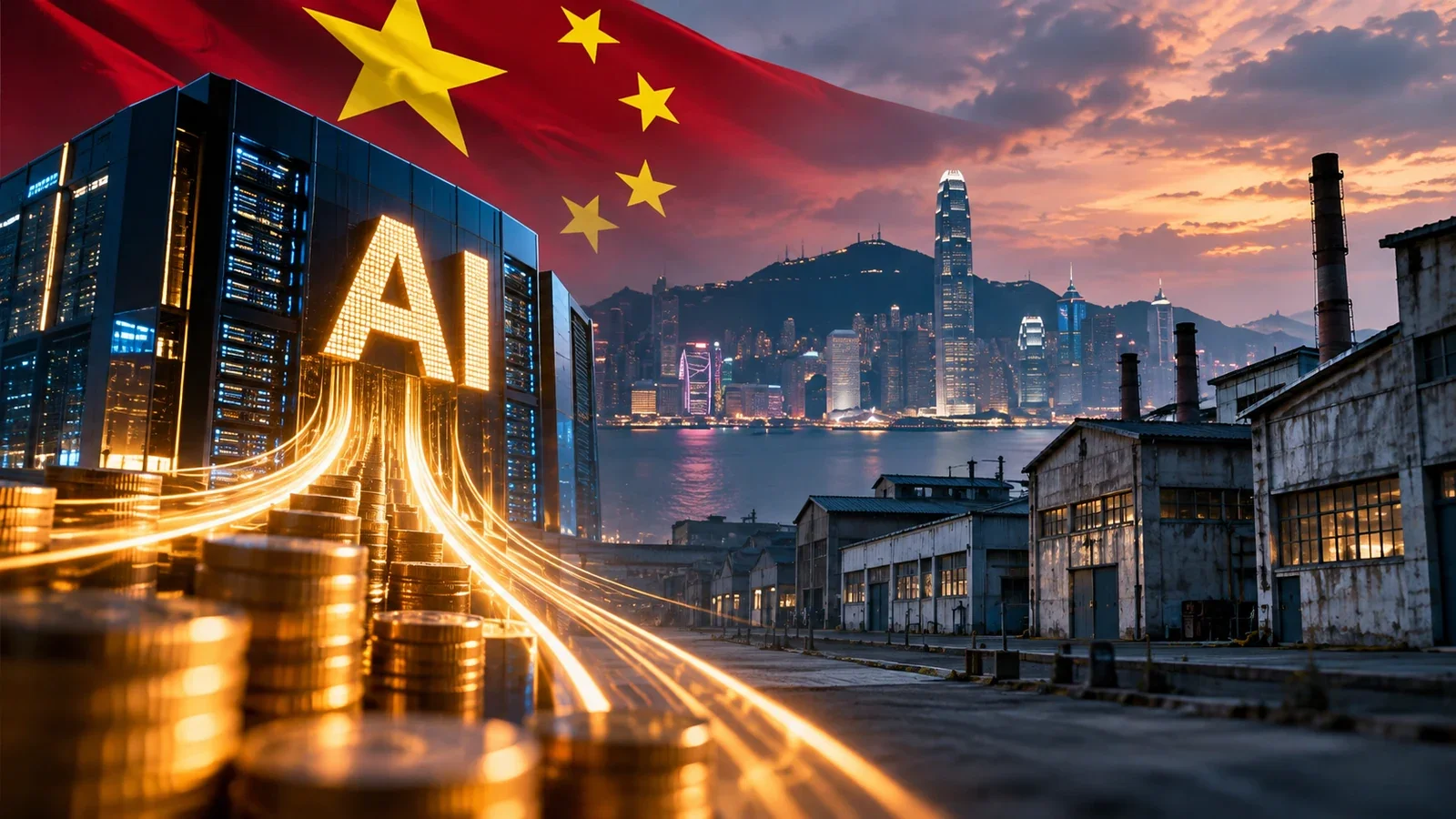
Global investment in artificial intelligence is excessively concentrated in large technology companies and is already putting pressure on financing for traditional sectors, according to one of China's top financial regulatory authorities. The warning was issued this Tuesday (3) by Xiao Yuanqi, vice president of the country's National Financial Regulatory Administration, during a meeting of financial leaders in Hong Kong.
In statements released by Reuters, Xiao said that the intense flow of resources to leading technology companies has raised leverage levels, increasing dependence on borrowed capital and creating conditions for an excessively accelerated expansion.
The problem, he said, goes beyond the boundaries of the technology industry. The concentration of investments in artificial intelligence causes a capital displacement effect, making it harder for traditional companies to access financing.
Rising borrowing costs and financial expenses reduce these companies' capacity to reinvest in their operations and expand production. At the same time, it raises the credit risks associated with these businesses.
During the Global Financial Leaders' Summit, organized by the Hong Kong Monetary Authority, Xiao advocated the creation of specific policies to manage the economic effects of AI expansion, with attention to financial stability and the risks arising from the concentration of resources.
The stance comes amid Beijing's efforts to expand the use of artificial intelligence in the economy. On October 9, the Chinese government released guidelines for the development of new productive forces, including the modernization of traditional industries through AI.
The document also warned against indiscriminate investments, the formation of bubbles and the weakening of the industrial structure. The guidelines seek to reconcile the advancement of emerging technologies with the preservation of the productive capacity of other sectors of the economy.
Xiao did not announce new restrictions on investments in artificial intelligence. His recommendation was that public policymakers prepare mechanisms for macroeconomic management and financial risk prevention adapted to the transformations brought about by the technology.