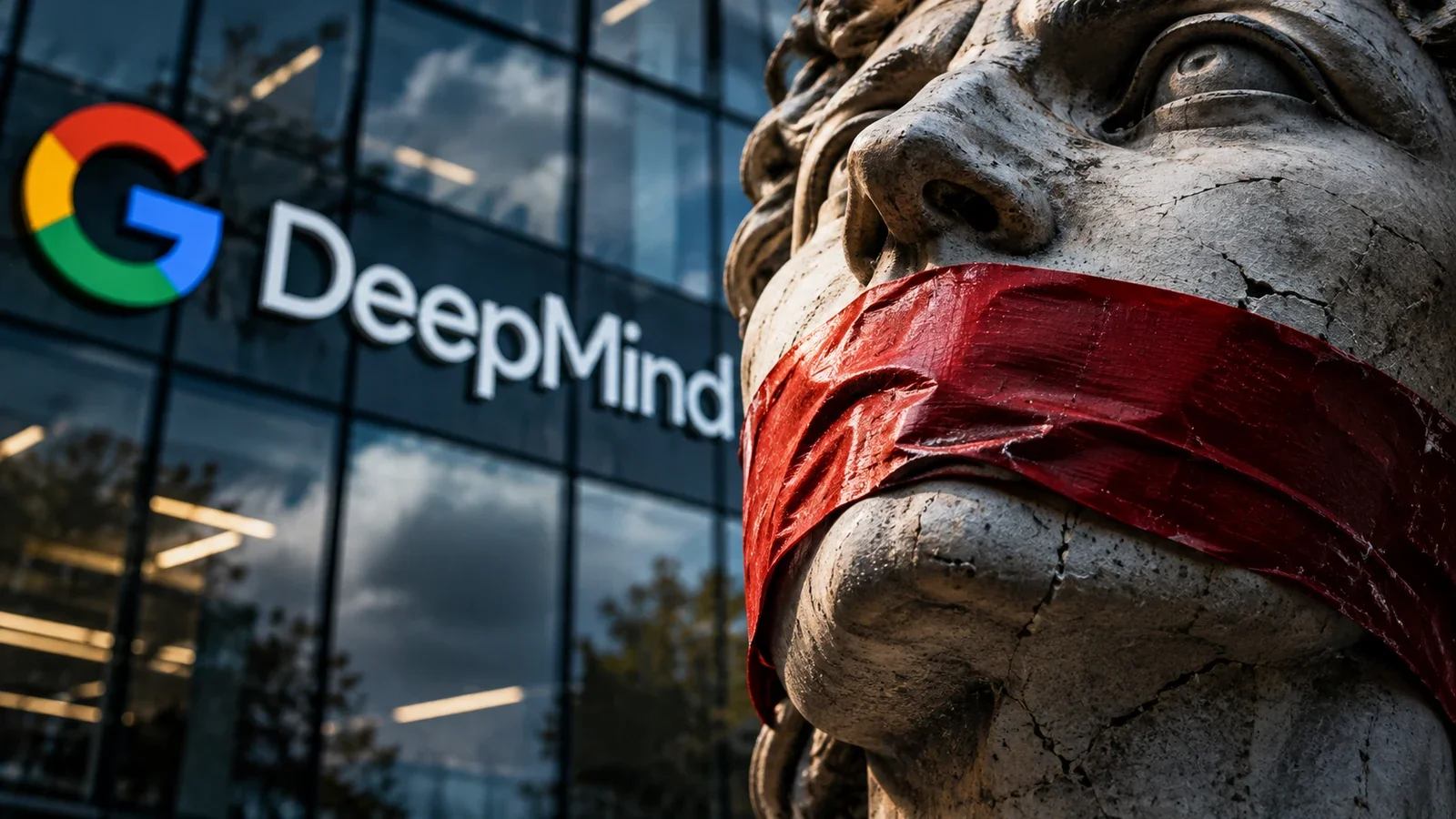
Employees at Google DeepMind in the UK are pressing the company to remove contractual clauses that prohibit them from criticizing it publicly for the rest of their lives, including after termination. The restriction was identified in documents reviewed by The Washington Post, which revealed the internal dispute in a report published on Tuesday (3).
The newspaper examined a contract and interviewed two employees from Google's artificial intelligence division. According to the accounts, the company's non-disparagement agreements can prevent researchers from publicly warning about risks associated with the technologies they develop.
The controversy gained momentum after the departure of Sofia Liguori, a research engineer who left DeepMind in October because she disagreed with Google's growing involvement in military artificial intelligence projects.
In an interview with the BBC, Liguori said she decided to disregard the contractual restriction to voice her concerns. The researcher said that, in principle, she was prohibited from criticizing Google for her entire life.
The episode led other British employees to review their contracts and identify similar clauses. Dozens of employees took part in an internal discussion about the matter, including workers who made references to the dystopian novel 1984, by George Orwell.
The researchers fear that the possibility of legal consequences may encourage self-censorship, even when the information discussed involves risks that are relevant to society.
Google changed new contracts, but employees demand a review of the old ones
Faced with criticism, a Google executive told employees that the company does not apply the restriction to former employees.
A spokesperson also confirmed to The Washington Post that the company recently updated its hiring contracts, removing the section that extended the ban on criticism until after the employment relationship ended.
According to Google, there are internal channels for employees to report concerns related to safety and responsibility in the development of artificial intelligence.
The response, however, did not end the dispute. Employees want the clauses removed from already signed contracts as well, instead of relying exclusively on a company statement about their application.
British legislation protects workers who report certain irregularities of public interest, including after they leave their jobs. The protection depends on specific legal requirements and does not mean that all public criticism is automatically protected.
The workers argue that the continued existence of the clauses creates uncertainty about what they can disclose without facing legal consequences. It was not disclosed how many DeepMind employees are subject to the lifetime restriction.
The controversy comes amid internal questions about the military use of AI. In 2025, Google removed from its artificial intelligence principles previous commitments that excluded applications in weapons and surveillance. The change also drew criticism from researchers concerned about the direction of the technology.