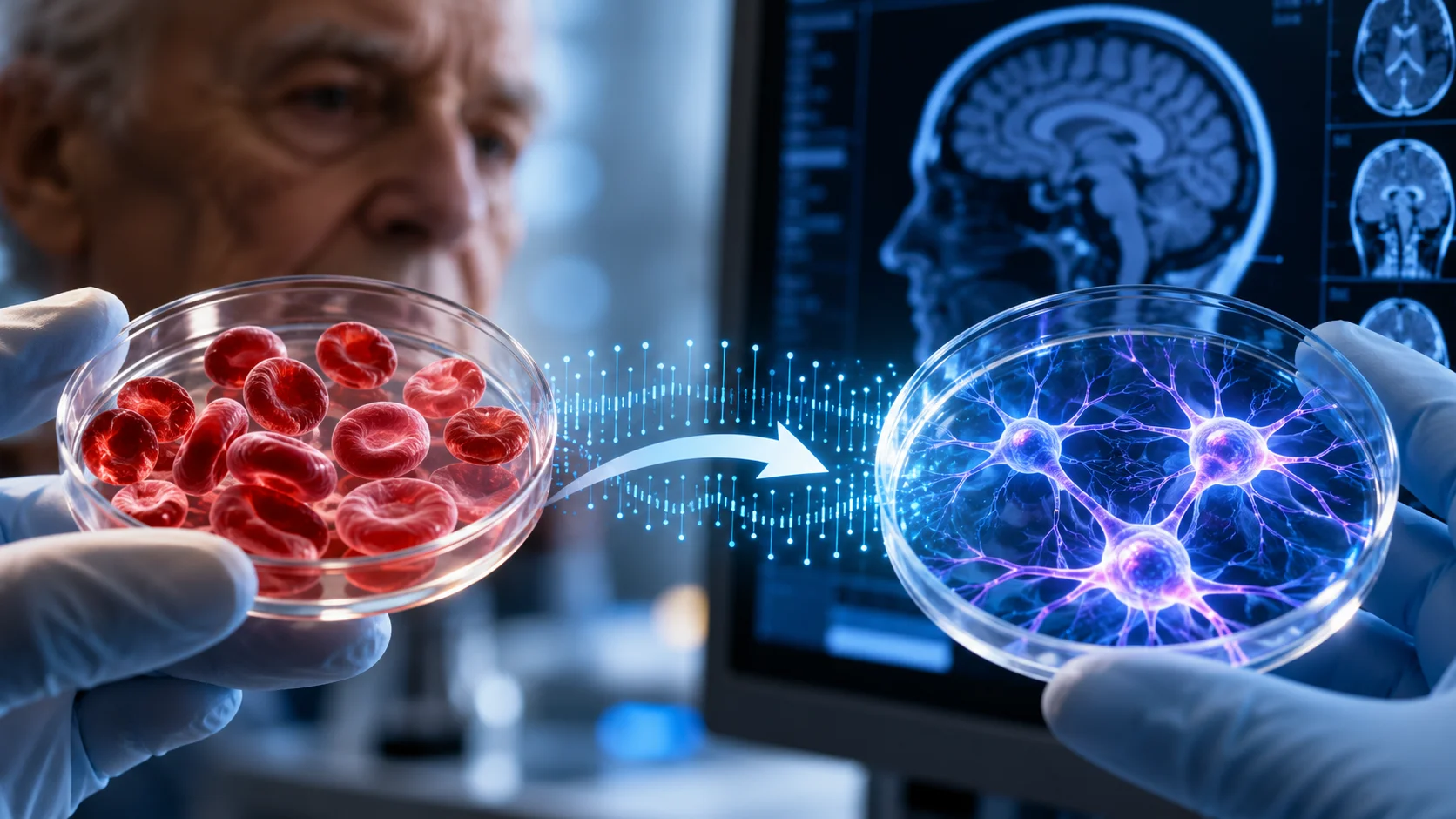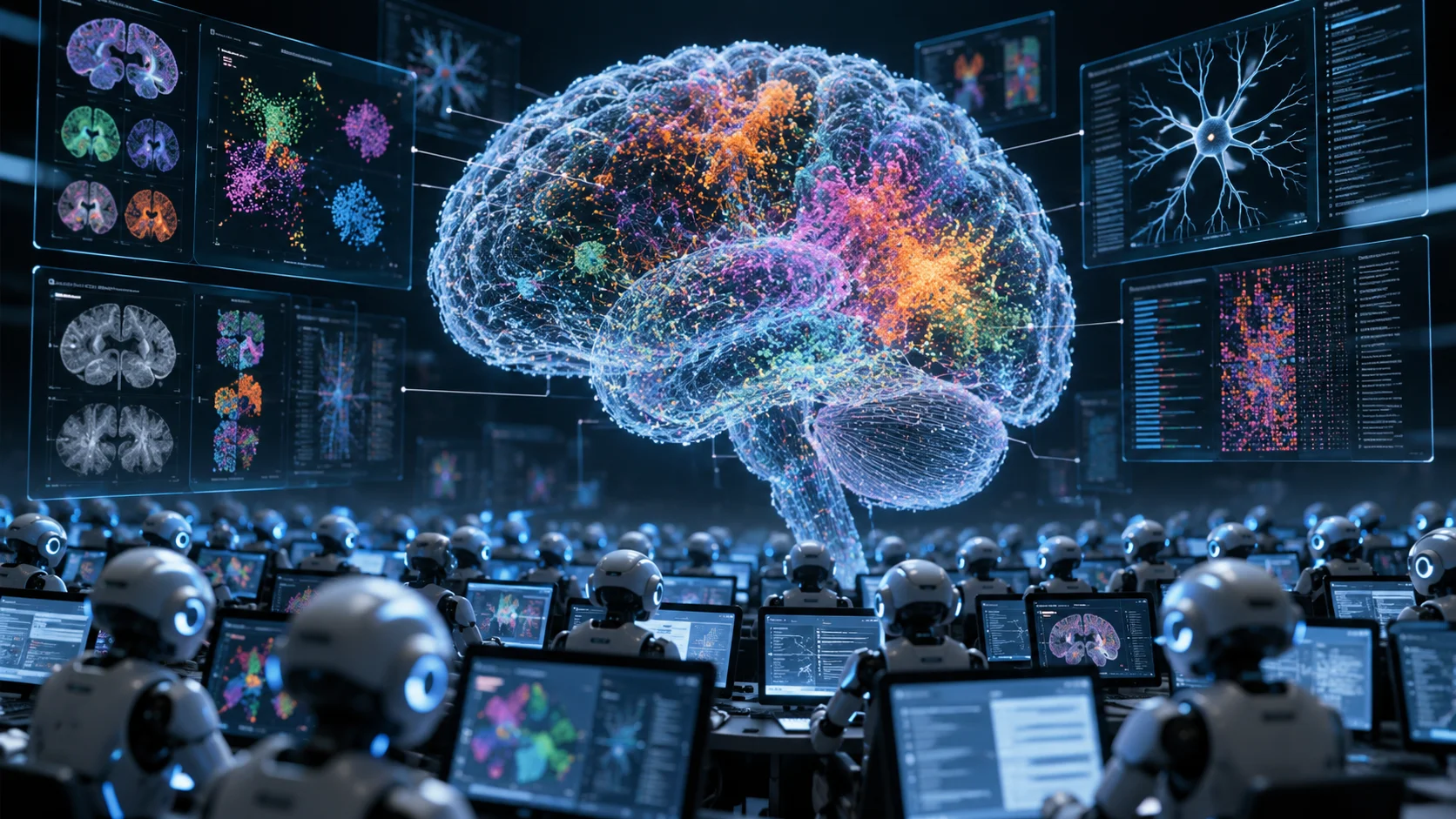
A team composed of 1,946 artificial intelligence agents analyzed, in just 32 minutes, genetic data obtained from more than 7.7 million cells from the brains of mice. The work, announced by OpenAI on October 21, was developed in partnership with PerturbAI and Scripps Research and identified new hypotheses to investigate neurodegenerative diseases.
The researchers used agents based on GPT-Rosalind to interpret an experimental atlas produced with CRISPR technology, which allows studying the effects of deactivating different genes. Each agent examined one genetic alteration, evaluated the cells' response, and consulted scientific publications in search of possible explanations.
The reports were assembled into an atlas that links genes, cellular alterations, previous research, and possible biological mechanisms. The analysis used existing experimental data without conducting new tests on animals.
According to the team, comparable human work could take from several months to a year. That duration, however, is an estimate based on the time required to interpret genetic alterations and consult the literature, not a direct comparison with researchers performing the same task.
A possible link between cholesterol and neurodegeneration
Among the results is a hypothesis involving the gene DCTN1, associated with Perry syndrome, a rare neurodegenerative disease that causes symptoms similar to those of Parkinson's.
In the analyzed data, deactivation of that gene increased the expression of other genes involved in cholesterol production. By relating the result to previous research, the agents raised the possibility that problems in cholesterol transport within neurons lead the cells to increase their production.
The hypothesis offers scientists a specific mechanism to investigate: whether inadequate cholesterol distribution contributes to neuronal degeneration and whether correcting that process could protect the cells. None of these relationships has been confirmed experimentally.
The study also evaluated whether distributing tasks among several agents would be more effective than concentrating them in a single system. In the largest-scale comparison presented by OpenAI, the distributed agents cited more than 700 scientific references, compared with only 11 from the individual agent.
In blind evaluations, experts preferred the reports produced by the distributed agents in 75% of comparisons, suggesting gains not only in speed but also in the quality of the interpretations.
The results were presented in a preprint published on bioRxiv on October 16, not yet peer-reviewed. The atlas of interpretations was also made publicly available so that other researchers can examine the hypotheses and select new experiments.