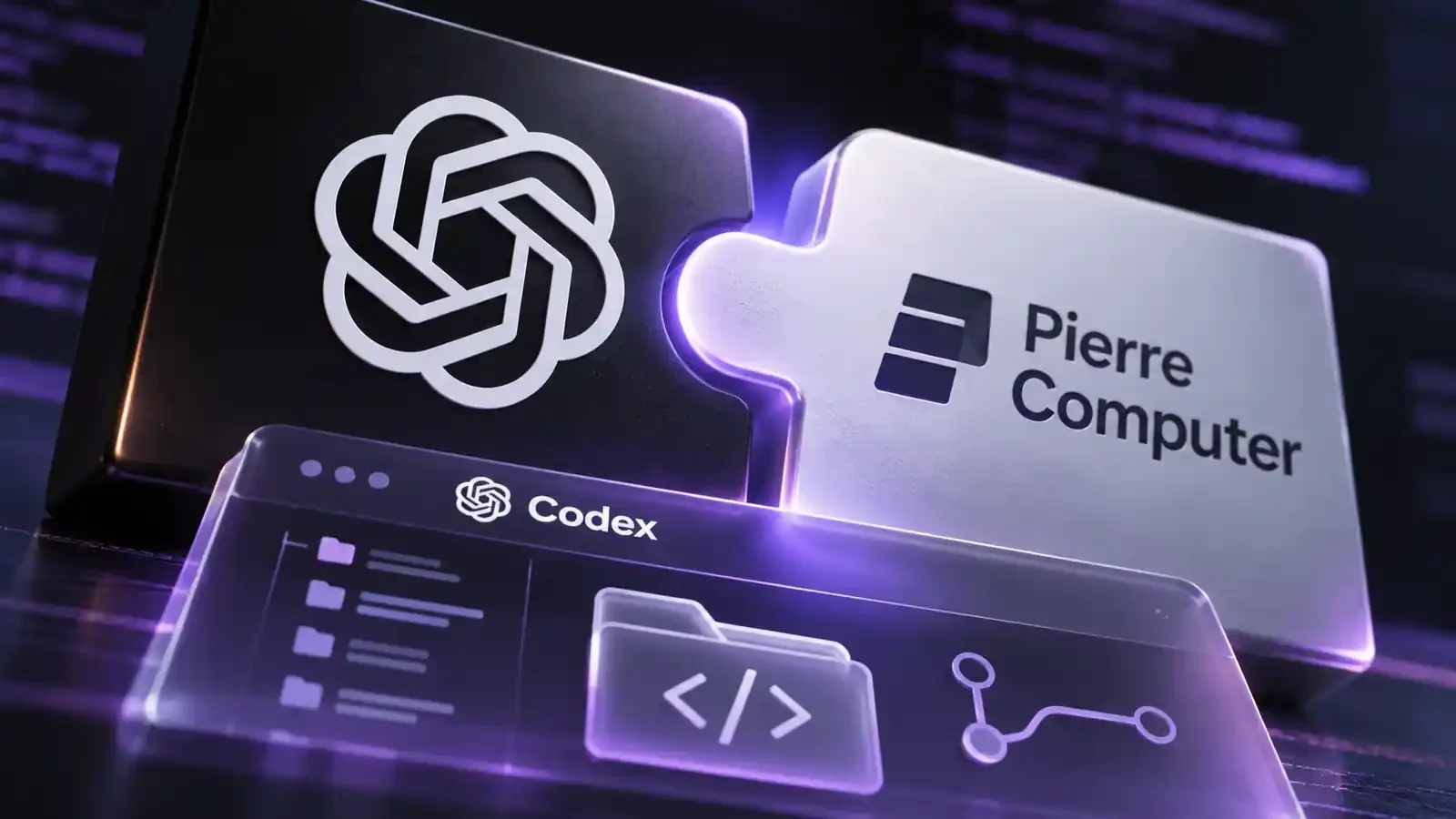
OpenAI announced this Wednesday (4) that it intends to acquire Pierre Computer, a company specializing in software development infrastructure. The transaction will allow it to incorporate Code Storage into Codex, a Git-based code storage and version-control service, expanding the tools available to developers and AI agents.
The transaction is still subject to regulatory approvals. The amounts involved were not disclosed.
Pierre already provides technology used by Codex. Its open-source Trees and Diffs libraries allow users to navigate a project's files and view changes made to the code. OpenAI confirmed that these components are already present in the application, even before the acquisition is completed.
The main addition will be Code Storage, an infrastructure that allows storing projects, tracking changes, and managing repositories through application programming interfaces. The service was developed for applications that produce and modify files automatically, including systems based on AI agents.
According to Pierre, the platform also stores documents, agent memory files, and design materials. Companies such as Lovable, Bolt, and Amp are among the clients presented by the developer.
The infrastructure offers integration with GitHub, GitLab, and Bitbucket, as well as tools to manipulate repositories directly through code. This allows automated applications to maintain their file history without relying exclusively on interfaces intended for human use.
OpenAI has already developed its own infrastructure to handle AI agents
The acquisition comes two days after OpenAI introduced Pando, its own version-control system created to handle the increase in simultaneous coding operations.
In a technical publication dated November 2, the company revealed that the previous infrastructure faced slowness in code transfers and failures in change-integration operations. At certain times, reliability fell below 90%.
According to OpenAI's own data, Pando reduced median latency for sending changes by nearly fivefold and currently moves about one petabyte of Git data per day. The system already supports development in the company's central code repository.
While Pando meets internal version-control needs, Code Storage offers storage infrastructure integrated with third-party applications. OpenAI did not detail how the two technologies might work together.
The company intends to use the experience of Pierre's team to expand Codex beyond code generation, covering navigation, review, storage, and other stages of software development.
OpenAI assured that Pierre's open-source projects will remain available and will receive contributions after the acquisition. Clients will also be able to continue using Code Storage while its features are incorporated into Codex.
No deadlines were announced for completing the transaction or for making the new integrations available. Until the deal closes, the two companies will remain independent.