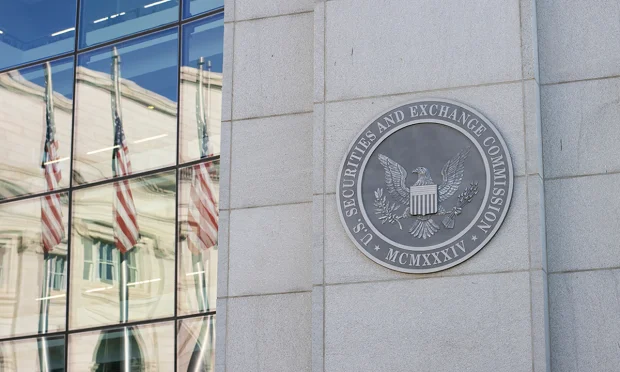
The U.S. Securities and Exchange Commission (SEC) postponed on Thursday (August 13) the meeting that would decide on the proposal for registration exemptions for cryptocurrency tokens. The agency did not set a new date.
The meeting would vote on whether the SEC would present a rules proposal that would allow cryptocurrency startups to raise funds without fully complying with the requirements of traditional securities offerings. The meeting would not produce final rules, but could open a formal public consultation process on the matter.
Change in approach at the SEC
The meeting represented a possible transition in the SEC's stance toward cryptocurrencies: from regulation by enforcement actions to regulation by exemptions, and from policies developed through cases and statements to a formal rulemaking process. The postponement temporarily interrupts that shift.
Under Paul Atkins' chairmanship, the commission has reversed part of the previous approach and is studying revisions to capital markets rules to accommodate tokens and blockchain-based trading. The previous administration sued several cryptocurrency companies under the theory that their tokens were securities. Atkins supports the industry's argument that many tokens should be treated as commodities.
Proposals under consideration
Atkins discussed possible exemptions, including a safe harbor to facilitate token sales and fundraising, a "startup-specific exemption" that would allow raising a certain amount or operating for a limited period without meeting some requirements, and an "innovation exemption" to experiment with models such as blockchain-based equities without all current requirements.
No progress in Congress
The postponement comes amid a lack of progress in Congress. An analysis by Steptoe concluded that the Digital Asset Market Clarity Act faces "increasingly formidable obstacles" and that, although a limited path to approval in September still exists, digital asset companies could reach 2027 amid regulatory uncertainty. The bill would divide jurisdiction between the SEC and the Commodity Futures Trading Commission (CFTC).
A vote to end debate (cloture) is scheduled for September 15, shortly after Congress returns from its summer recess. Steptoe assesses that supporters are unlikely to obtain the 60 votes needed to overcome a filibuster. With few legislative days before the November elections, a defeat in September could close the proposal's window in 2026.
As a result, the regulation postponed by the SEC gains more importance. Without passage of a law, Steptoe expects much of cryptocurrency policy to remain dependent on SEC and CFTC actions, subject to legal challenges and changes in administration. For now, both tracks are stalled: Congress left without resolving market legislation, and the SEC postponed its attempt to replace enforcement-based regulation with formal rules.