More than 12 TB of files linked to the old Steam infrastructure began to circulate on the internet on Saturday (29), exposing game versions, development builds, and prototypes stored between 2003 and 2013. Gabe Follower, a researcher known for tracking Valve projects, said that the data would have been obtained through a publicly accessible endpoint, without a conventional intrusion.
Ver post no X
The set, nicknamed by the community as Steam2 Teraleak, goes beyond the games produced by Valve. Files from titles by other developers that used Steam during the period also appear in the material, expanding the leak's reach to a significant part of the platform's early history.
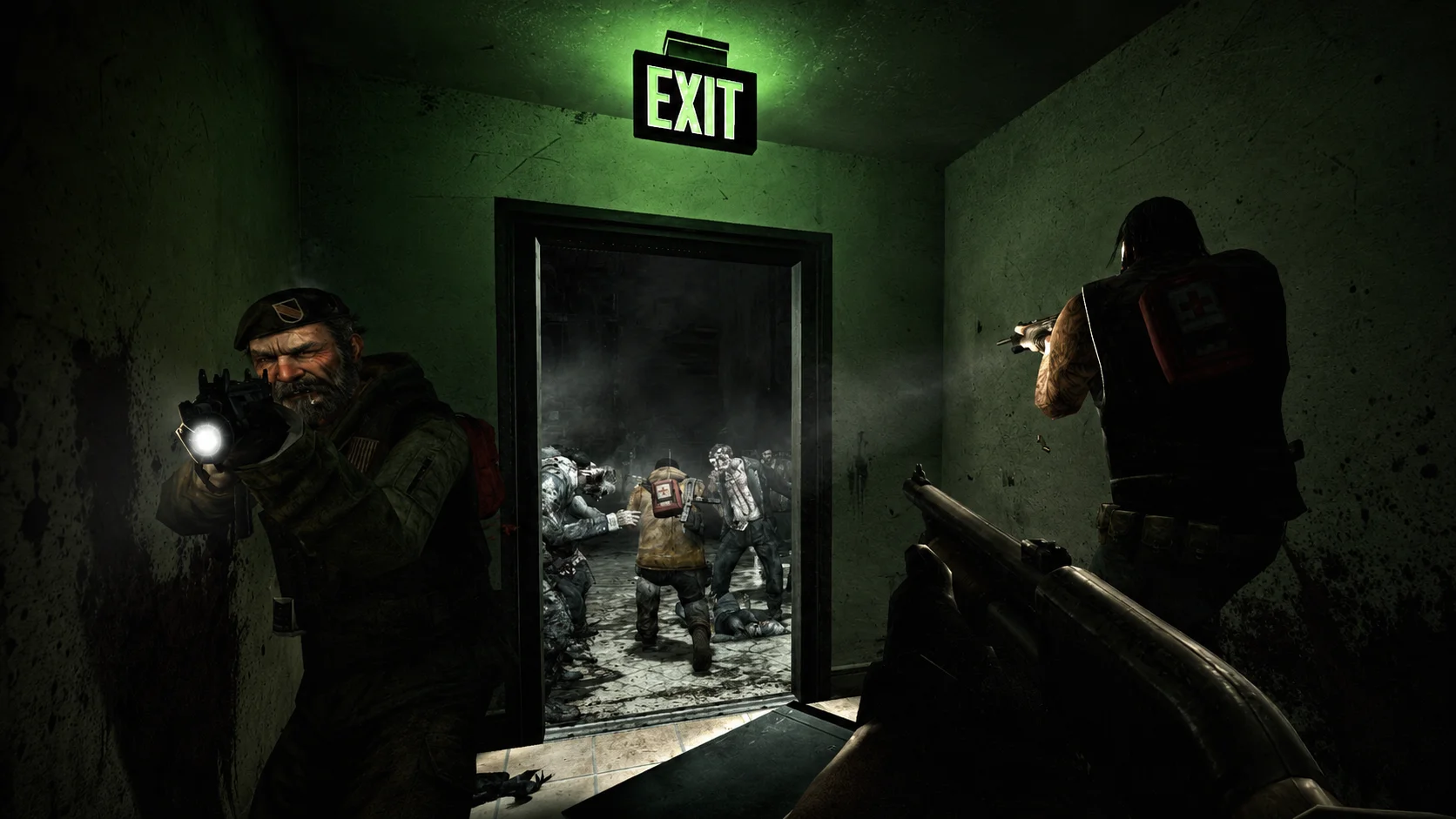
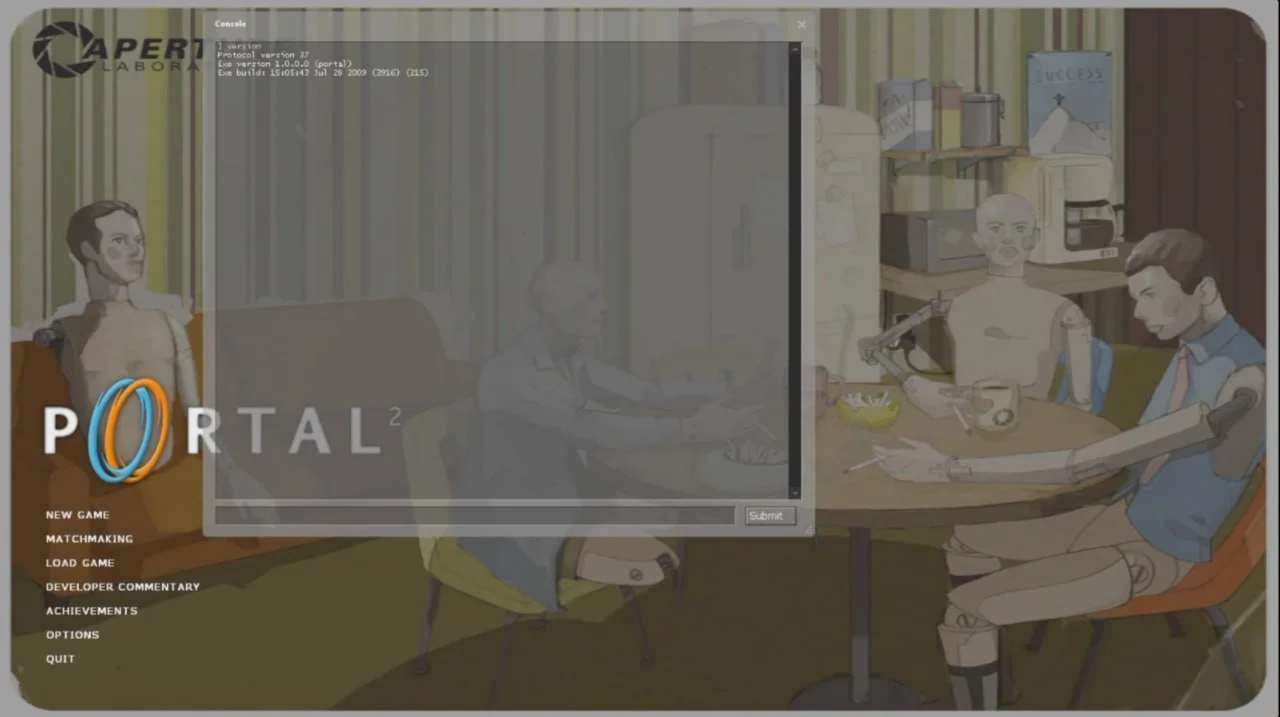
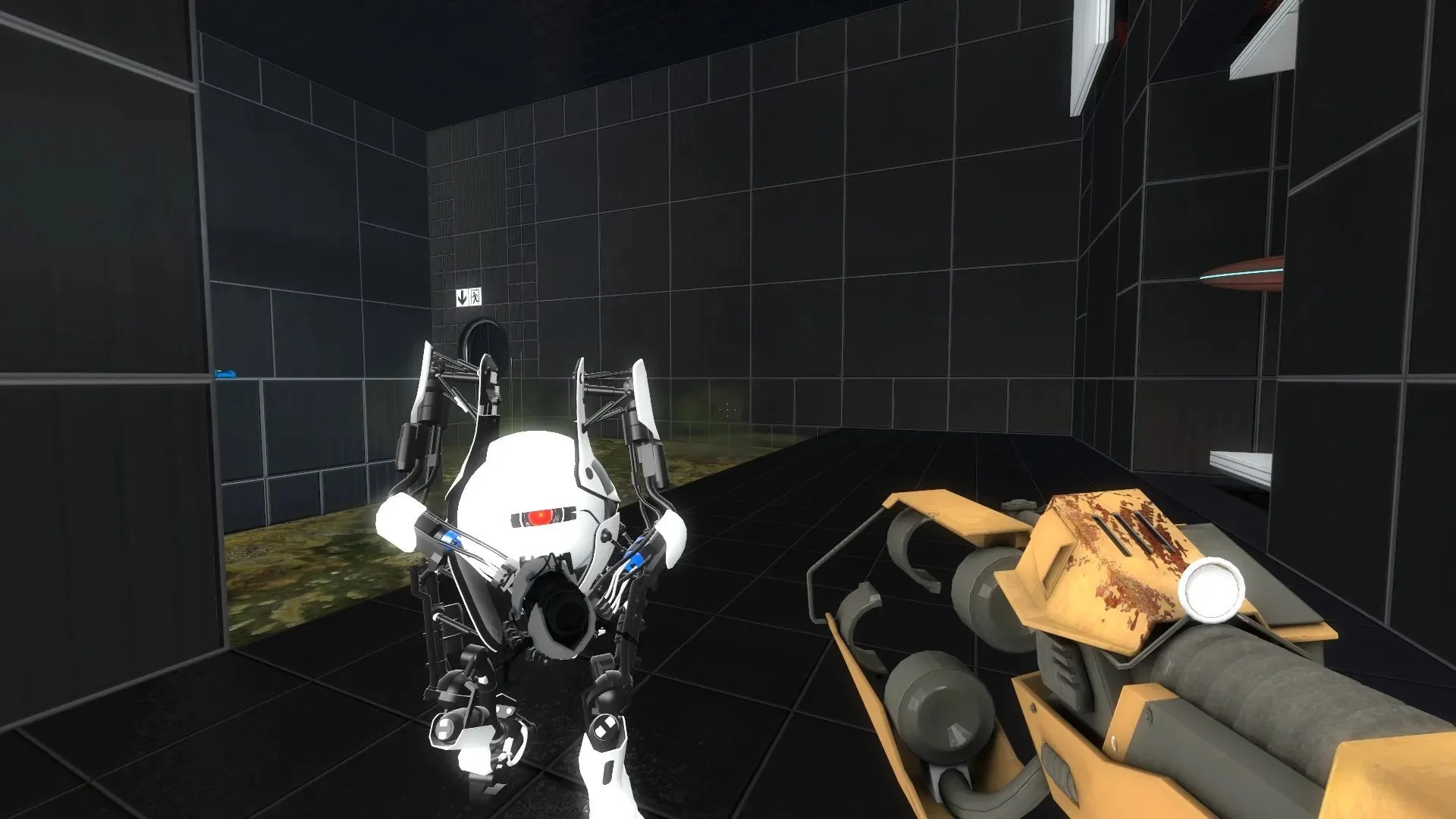
Among the contents already identified are old versions of Portal 2, Left 4 Dead, and Counter-Strike: Global Offensive, in addition to materials related to the canceled F-Stop. Gabe Follower also mentioned files possibly linked to Half-Life 2: Episode Three, although this association has not yet been conclusively confirmed.
In the case of Left 4 Dead, researchers found a version produced months before the commercial release, with differences in the interface, lines that did not make it into the final version, and map sections later modified.
The analysis of the files continues, and other prototypes, discarded versions, and development materials may be identified as researchers and community members work through the dataset.
Data reportedly remained accessible without protection
Gabe Follower later stated he had verified the origin of the material and said that it would not have been necessary to hack Valve's systems to obtain it. The files would be available through a public endpoint related to the old Steam2 infrastructure.
Another researcher, known as Scolcer, also reported that the content could be accessed without a password or any other authentication mechanism.
It is still unclear, however, when the data was actually downloaded. The material may have been extracted recently from the old infrastructure or archived earlier by third parties and made publicly available only now.
The covered period ends in 2013, when Valve advanced in migrating its games to SteamPipe, a system that changed the way content was distributed, updated, and stored by the platform.
So far, Valve has not publicly confirmed the size, origin, or authenticity of the entire set of files in circulation.