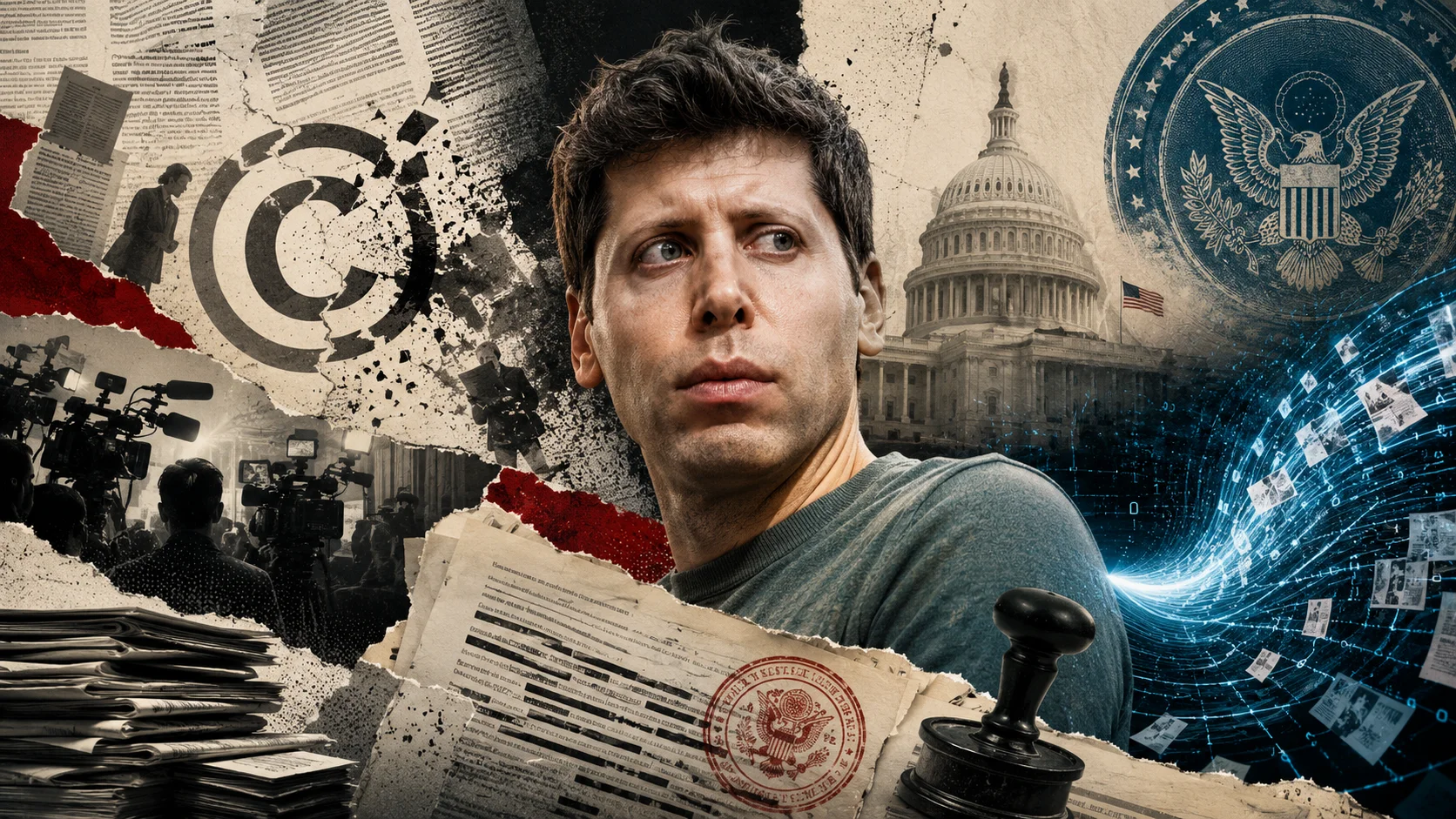
The Trump administration has entered the legal dispute between OpenAI and the New York Times and argued that the use of works protected by copyright to train artificial intelligence models can be considered “fair use”, or fair use, under American law. The position was presented by the Justice Department in a document filed on Tuesday (1st).
The administration says it has a “strong interest” in the case because the definition of limits for AI training could affect the ability of the United States to maintain global leadership in artificial intelligence. For the Justice Department, an overly restrictive interpretation of copyright rules could harm innovation, competition, and the development of the American AI industry.
The filing argues that using copies of texts during the training of large language models is an activity “extraordinarily transformative”In this process, the works are converted into data used by the model to learn relationships between words and language patterns, without these copies being made available to the public.
The Justice Department also argues that training should be analyzed separately from the responses subsequently produced by the systems. An output that reproduces protected content may raise its own copyright discussion, but that would not automatically make the training stage illegal.
Administration challenges argument about market impact
Another central point of the filing concerns possible commercial harm to rights holders. According to the administration, training a model does not work as a substitute for the original articles and, therefore, does not directly reduce the market for those works in the manner required to weigh against fair use.
The Trump administration also warns that requiring licenses for large volumes of content used in training could favor the largest technology companies, which would have greater financial capacity to pay for the rights. At the same time, large media groups would benefit from the size of their catalogs.
The New York Times sued OpenAI and Microsoft in December 2023, accusing the companies of using millions of protected articles to develop artificial intelligence systems without authorization or payment. The newspaper argues that these products can reproduce its content and compete with its publications.
The administration's position does not determine the outcome of the case. The decision will rest with the courts, but the filing formally places the Trump administration on the side of the interpretation defended by OpenAI in a matter that could influence other cases involving the use of protected content in AI training.