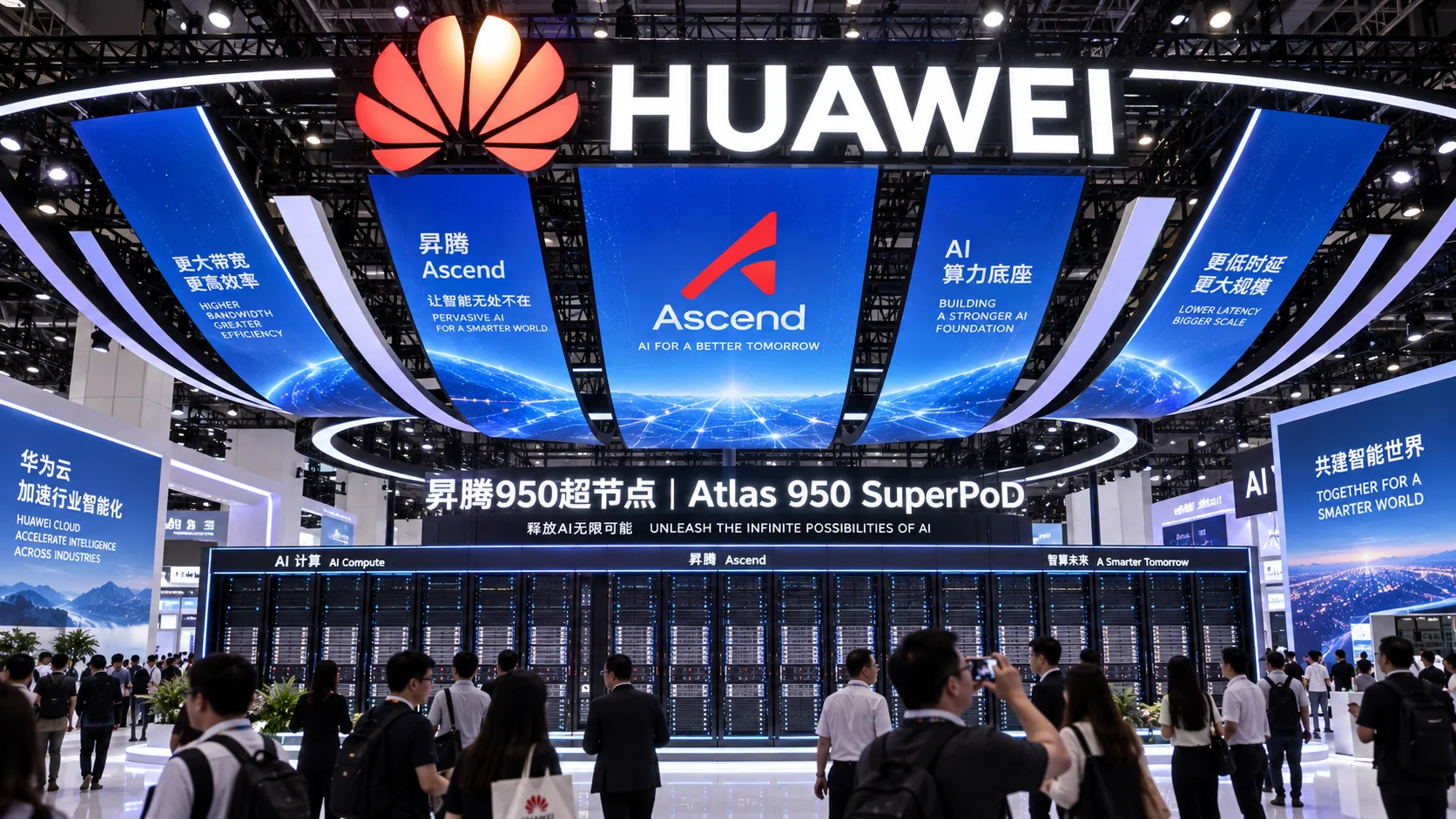
Chinese manufacturers of artificial intelligence chips are raising prices amid the shortage of high-bandwidth memory (HBM), an essential component of the accelerators used to train and run AI models. Huawei raised by up to 50% the quotes for its Ascend 950DT, according to information published by Reuters this Thursday (10).
The quoted price of Huawei's accelerator has moved to more than 250,000 yuan (about US$ 37,000), an increase of approximately 20% to 50% compared with the quotes presented to customers two months ago, depending on the conditions of each contract. The Ascend 950DT is one of the company's main next-generation chips and is scheduled for launch in the fourth quarter of 2026.
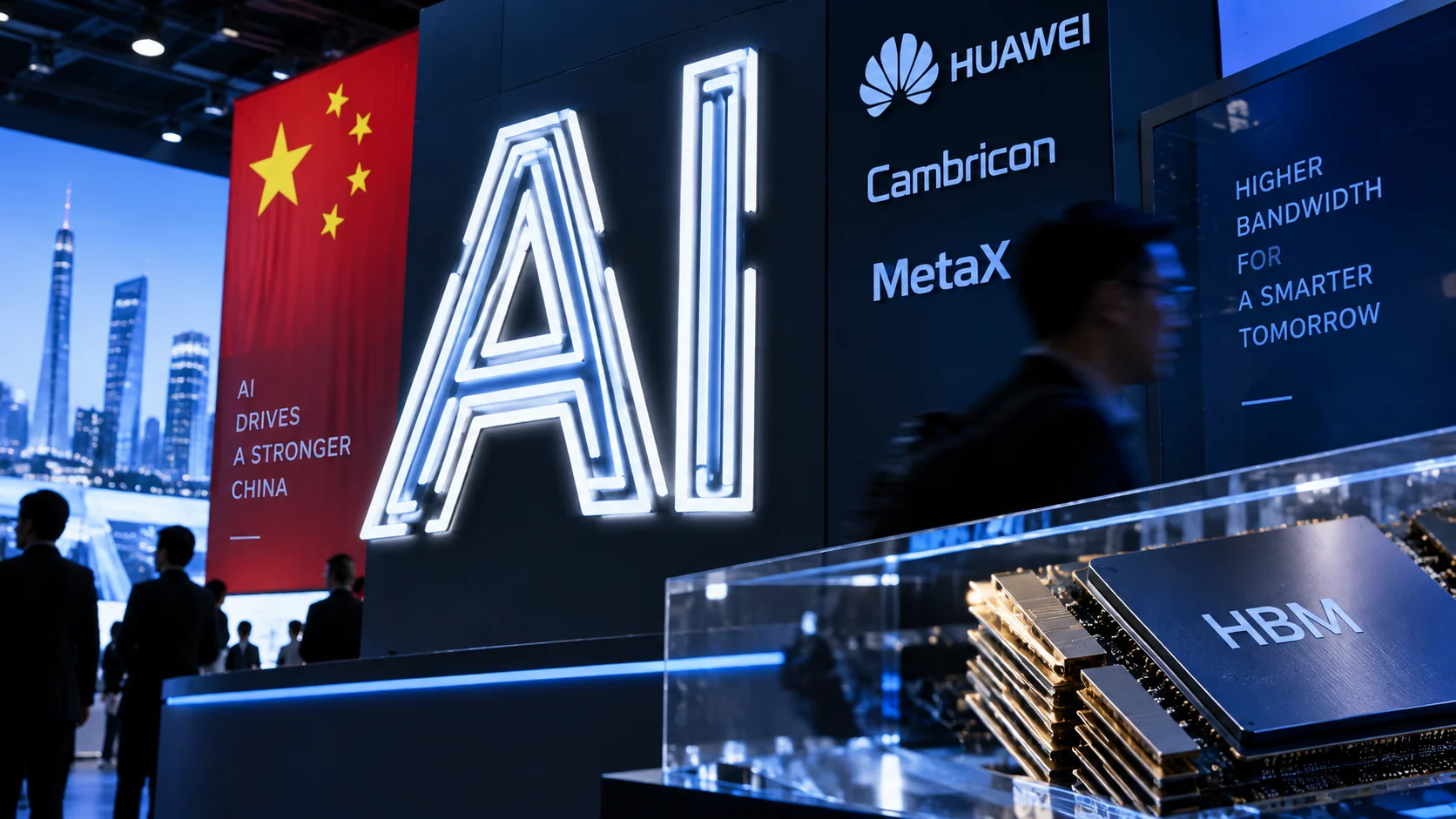
Cambricon has also readjusted the price of its next processor, provisionally called 690, by 20% to 30%. MetaX and Iluvatar CoreX, other Chinese manufacturers in the sector, made similar moves, according to sources heard by Reuters. The companies did not comment on the information.
Products already available have also become more expensive. The Huawei Ascend 950PR went from around 60,000 yuan at the beginning of the year to more than 80,000 yuan, while the Ascend 910C board rose from approximately 90,000 to more than 110,000 yuan. The increases come close to 30%.
HBM becomes a bottleneck for China's AI infrastructure
The pressure comes mainly from the limited supply of HBM, a technology that stacks memory chips to allow the transfer of large volumes of data at high speed. This type of memory carries significant weight in the final cost of AI accelerators, and the global market for advanced versions is concentrated in SK Hynix, Samsung and Micron.
The situation is more difficult for Chinese manufacturers since the United States expanded, in December 2024, restrictions on the export of advanced HBM memories to China. According to Reuters, local companies have increasingly turned to alternative supply channels, in which some components cost several times more than in other markets.
Huawei is trying to reduce this dependence with its own memory technologies. The company previously reported that the Ascend 950DT will use the HiZQ 2.0, with 144 GB of capacity and 4 TB/s of bandwidth. The company, however, has not publicly detailed how or where this memory is produced.
The price increases raise the cost of expanding computing capacity in China precisely as local companies try to replace Nvidia's advanced accelerators affected by U.S. trade restrictions. The HBM shortage thus begins to limit not only production, but also the economic competitiveness of Chinese chips destined for AI infrastructure.