Shein's first earnings report after its debut on the Hong Kong Stock Exchange revealed a problem that goes beyond slowing sales. Quarterly revenue rose only 0.9%, to US$ 11.08 billion, while adjusted net profit plunged 67%, to US$ 228 million. The figures show the pressure on a business model built around low prices, flexible production and international deliveries.
Adjusted net margin fell from 6.2% to 2.1%. In Europe, sales declined 13.9%, while the United States recorded a 6% drop. The results triggered a double-digit decline in the shares on September 29 and raised a question: how much of Shein's model remains economically viable without the old tax advantages?
The end of exemptions begins to change the economics of each order
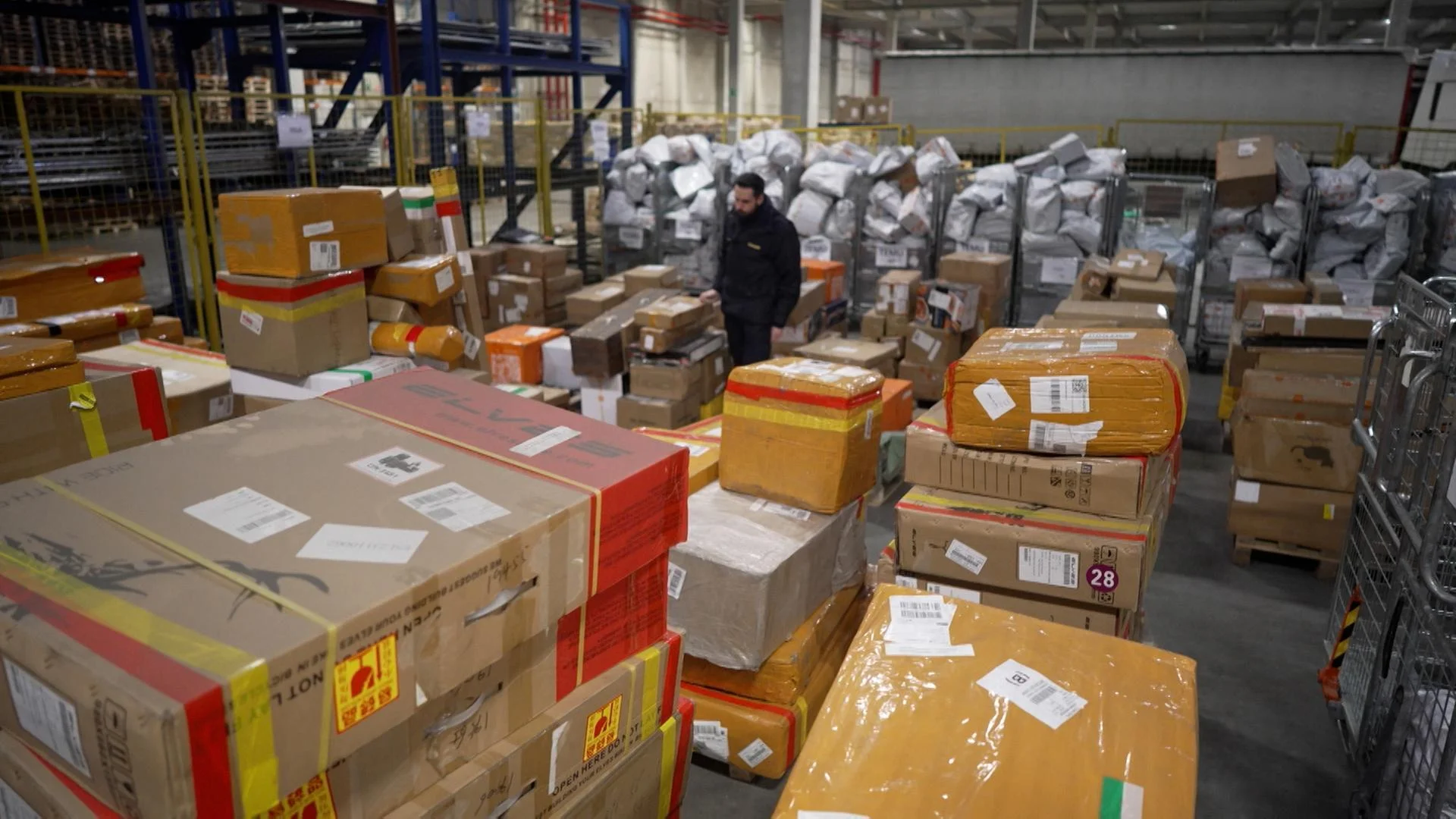
During its international expansion, Shein took advantage of a system that allowed it to ship large volumes of low-value packages directly to consumers, often without paying certain import taxes.
This structure helped keep prices competitive, offering an extensive variety of products without relying exclusively on large inventories near consumer markets.
In the United States, the suspension of the de minimis exemption for shipments of up to US$ 800, expanded to all origins in August 2025, eliminated one of those advantages. In the European Union, a new €3 customs charge took effect in July 2026 for certain imports of up to €150.
The European rule introduces a particularly significant obstacle for trade in cheap products: the charge considers the different tariff classifications present in the package, not simply the total value of the order.
A purchase containing a T-shirt and a watch, for example, can generate €6 in customs duties. Although collection is normally the responsibility of the seller or importer, the cost must be absorbed by the operation or incorporated into prices.
The second quarter already offers signs of this pressure. Shein raised prices and reduced advertising investments in Europe even before the new charge took effect.
Consequently, the 13.9% drop in European sales does not represent the full effect of the new tariff. It reflects a combination of early price adjustments and lower investment in customer acquisition.
The challenge is to preserve price attractiveness without further compromising margins.
Temporary transportation costs aggravate a structural problem
Not all of the financial deterioration stems from the tax changes.
Order processing and delivery expenses rose 18.1% in the quarter, pressured by higher aviation fuel prices and freight rates amid the conflict in the Middle East. Dependence on air transport makes the operation especially sensitive to these fluctuations.
There is, therefore, an important difference between the factors pressuring the results.
A possible normalization of transportation costs could ease part of the logistics expenses. The disappearance of the old tax exemptions, however, requires deeper adaptations, because it permanently changes the cost of serving certain markets.
This distinction prevents attributing the entire margin contraction to tariffs, but it also shows why a recovery in freight rates would not be enough to automatically restore previous profitability.
Local inventories can reduce costs, but they change Shein's main advantage
The company's response is already underway.
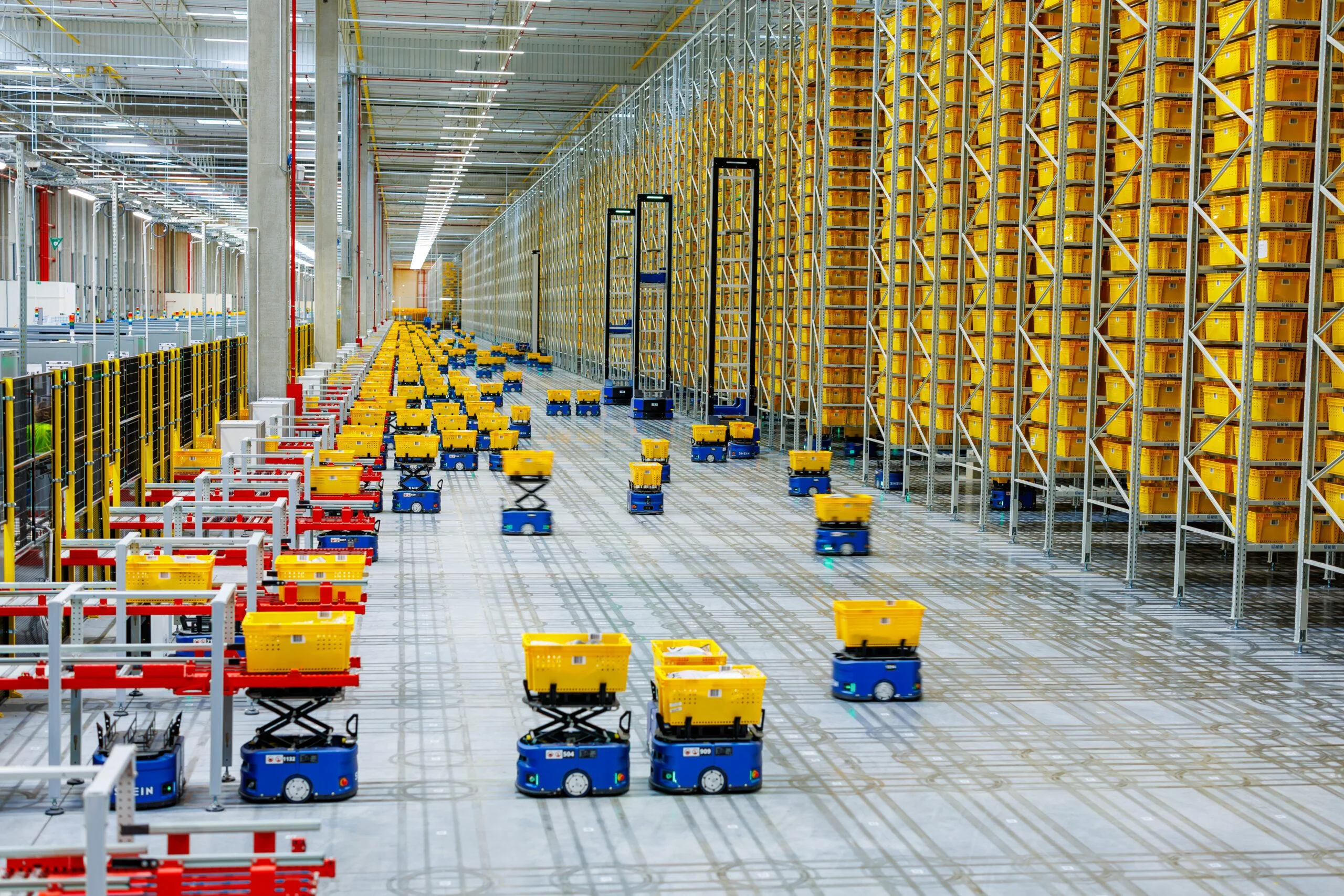
In December 2025, Shein opened a logistics center in Wrocław, Poland, designed to reach a capacity of 740,000 square meters. The facility is part of its strategy to expand regional distribution and speed up deliveries to European consumers.
The expansion of local inventories can reduce the need to transport each order individually over long distances. It also allows consolidating shipments and improving delivery speed.
However, this transformation comes with an operational cost.
Shein's original model uses small initial batches, usually between 100 and 200 units, increasing production according to demand signals. This approach seeks to limit unsold inventory and reduce capital committed to products whose acceptance is still uncertain.
Keeping larger quantities of goods near consumers can require advance demand forecasts, additional investment in warehousing and greater exposure to products that lose popularity.
Moreover, consolidated imports do not eliminate taxes. They change the logistics structure and customs treatment of goods, potentially generating enough savings to offset part of the new costs.
The company also intends to expand its presence in higher-priced categories. According to its founder and president, Yangtian Xu, the change in catalog composition should raise the average price of products sold on the platform.
This strategy offers room to increase revenue per order, but its effectiveness will depend on consumers' willingness to pay more and the ability to preserve competitiveness against traditional retailers.
The next results will show how much of the pressure is permanent
Growth in other markets, especially in Latin America, managed to partially offset the losses recorded in the United States and Europe. This demonstrates that the company still has geographic alternatives to sustain revenue, although it does not necessarily resolve the deterioration in profitability in its main markets.
The third quarter will be particularly important because it will comprise the first full period of application of the new European charge.
The fourth quarter, meanwhile, will make it possible to observe whether Black Friday and the Christmas shopping period can recover volumes without requiring discounts or advertising investments incompatible with the new margins.
Another factor will be regulatory developments. The European Union will make new product identifiers mandatory in November and is working on an additional charge to fund customs processing, whose amount and timeline are still to be defined.
The central question is no longer just how much Shein can sell and now includes how much it costs to deliver each sale. The next earnings reports will make it possible to assess whether the combination of regional inventories, more expensive products and less dependence on individual shipments can recover margins without compromising growth.