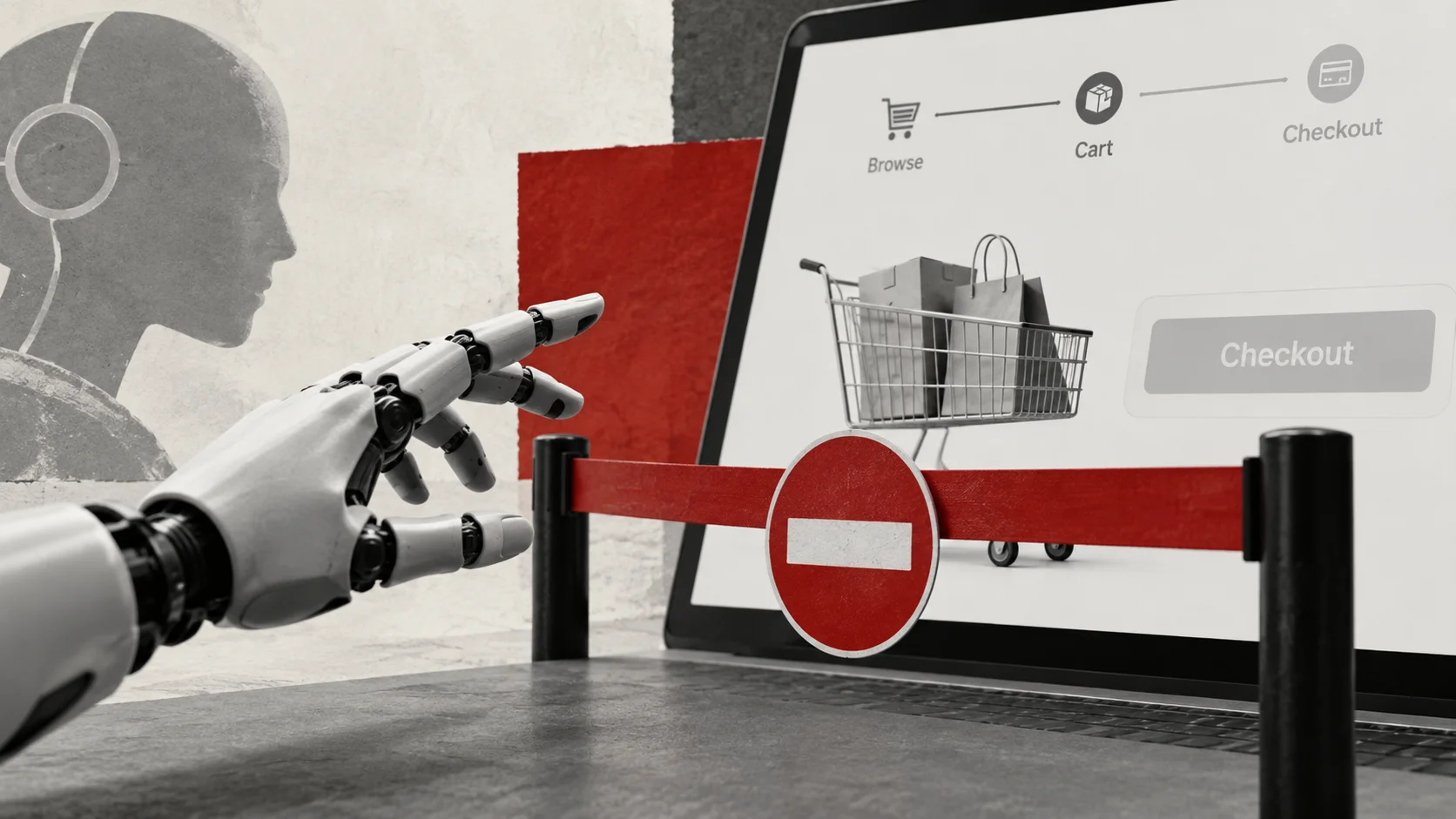
Most major online retailers in the United States still maintain rules that hinder the work of artificial intelligence agents in the final stages of a purchase. A survey published on Sunday (13) by Mediovsky identified restrictions on carts, checkout or equivalent functions in 15 of the 18 sites that made their access rules available for analysis.
The study evaluated 20 large American online stores. Eighteen provided a robots.txt file, used to indicate which areas automated systems can access. In 15 of them, generic agents were prevented from accessing at least one path related to the purchase.
That, however, does not necessarily mean a technical block. OpenAI says that ChatGPT-User, used when ChatGPT accesses a page at the user's request, does not work as an automatic crawler and may not follow these rules in the same way.
The survey also tested direct access to the pages. In that scenario, 6 of the 20 sites accepted a conventional browser, but refused requests identified as ChatGPT-User, indicating barriers applied by bot management systems.
Old bot rules still limit shopping agents
Among the 18 files analyzed, 10 did not mention AI agents specifically. In practice, these systems end up subject to rules originally created for crawlers, scrapers and other types of automation.
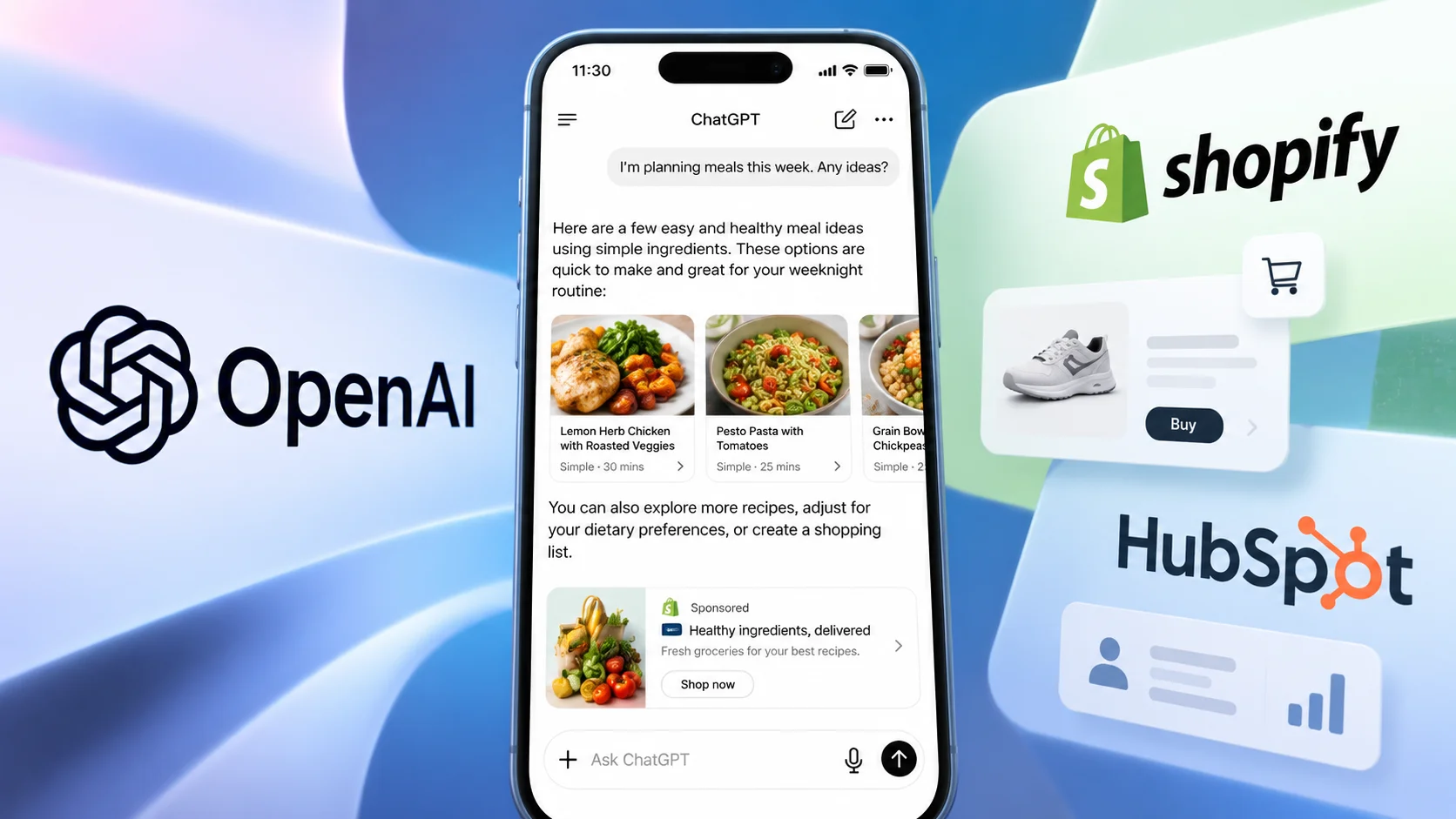
The limitations appear while technology companies and retailers develop standards to allow agents to search for products, assemble carts and complete transactions. The scenario shows that, outside those specific integrations, much of e-commerce infrastructure still treats AI agents as ordinary automated traffic.